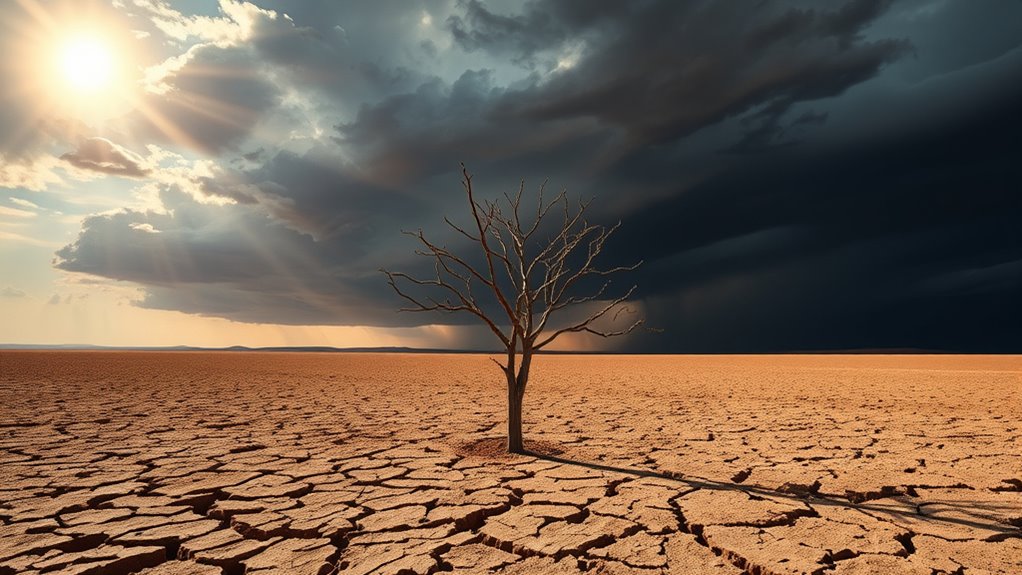

Global warming is driving record-breaking temperatures and extreme weather events that affect your environment and daily life. As temperatures rise, we see more intense heatwaves, hurricanes, floods, and wildfires. These changes threaten ecosystems, communities, and economies around the world. By understanding how human activities, like burning fossil fuels and deforestation, accelerate this process, you can learn how individual and collective actions make a difference in combating climate change and protecting your future.
Key Takeaways
- Rising global temperatures increase the frequency and intensity of extreme weather events like storms, heatwaves, and heavy rainfall.
- Record high temperatures are linked to climate change caused by human activities such as fossil fuel burning and deforestation.
- Extreme weather damages infrastructure, disrupts ecosystems, and threatens communities, especially in vulnerable coastal and urban areas.
- Climate change accelerates sea level rise, leading to more flooding and erosion during severe weather events.
- Mitigation efforts, including reducing emissions and supporting renewable energy, are crucial to limit extreme weather impacts.
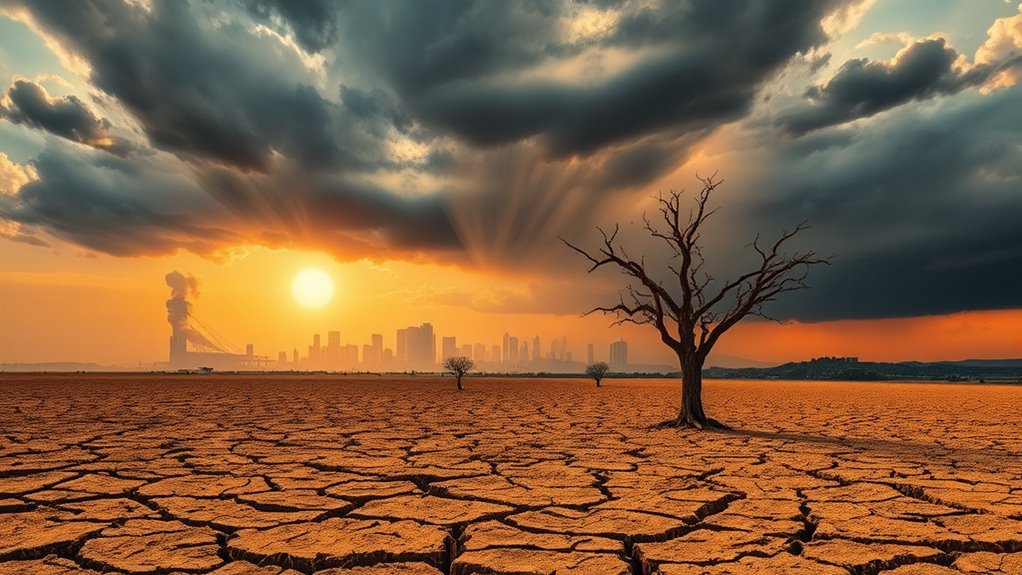
Have you ever wondered how human activities are fueling the rise in Earth’s temperature? The answer lies in the significant climate change impacts caused by our actions. When you burn fossil fuels for energy, drive cars, or cut down forests, you’re releasing greenhouse gases like carbon dioxide into the atmosphere. These gases trap heat, leading to a warming planet. As temperatures increase, you’ll notice more frequent and severe weather events, from scorching heatwaves to intense storms. This rising trend is not just about hotter days; it’s about the profound changes impacting ecosystems, economies, and communities worldwide. The good news is that understanding climate change impacts can empower you to participate in mitigation strategies that reduce your carbon footprint and help slow global warming.
Human activities like burning fossil fuels and deforestation drive climate change and extreme weather events worldwide.
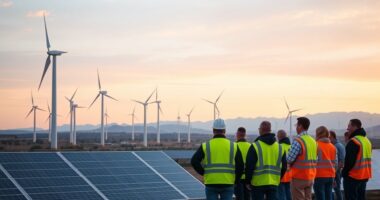
Mitigation strategies are essential in combating the worst effects of climate change. They involve actions you can take personally and collectively to cut emissions and promote sustainability. For example, you can reduce energy consumption by switching to energy-efficient appliances, using public transportation, biking, or walking instead of driving. Installing solar panels or supporting renewable energy sources can also make a big difference. When you choose products with lower carbon footprints and minimize waste, you’re directly contributing to less pollution and fewer greenhouse gases released into the atmosphere. Businesses and governments play critical roles too, by adopting policies that favor clean energy, enforce emission limits, and invest in climate resilience projects. These mitigation strategies are fundamental because they address the root causes of climate change, rather than just its symptoms. Recognizing the importance of climate change impacts can help you better understand the urgency of taking action.
Recognizing the climate change impacts helps you understand the urgency of adopting these mitigation strategies. Rising sea levels threaten coastal communities, while unpredictable weather patterns disrupt agriculture and water supplies. Extreme heat can cause health crises and increase energy demand for cooling. Forest fires and hurricanes are becoming more intense and destructive, devastating lives and habitats. By learning about these impacts, you can advocate for stronger policies, support climate-conscious initiatives, and make lifestyle choices that prioritize sustainability. Every action counts when it comes to reducing greenhouse gases. Your choices, combined with efforts from governments and industries, can help stabilize global temperatures and protect future generations from the worst effects of global warming.
In the end, understanding how human activities influence climate change impacts underscores the importance of mitigation strategies. While the challenge is immense, your proactive efforts—no matter how small—contribute to a larger movement toward a healthier, more sustainable planet. The more you know and act, the more you help steer us toward solutions that can restore balance to Earth’s climate system.
Frequently Asked Questions
How Does Global Warming Affect Ocean Currents?
Global warming impacts ocean currents by causing temperature shifts that disrupt ocean circulation patterns. As surface waters warm, they become less dense, slowing down the movement of currents like the Gulf Stream. You might notice changes in weather and marine life because these shifts affect climate regulation and nutrient distribution. By altering ocean circulation, global warming can lead to more extreme weather events and impact ecosystems you rely on.
What Are the Long-Term Health Impacts of Extreme Weather?
Extreme weather can cause long-term health hurdles, harming your heart, lungs, and mental health. You might struggle with anxiety or depression from constant climate crises, while poor air quality worsens respiratory issues. Over time, these issues can lead to chronic conditions, creating a cycle of suffering. Staying informed, supporting climate action, and protecting mental and physical health become essential to weather the relentless ripple effects of extreme weather.
How Do Climate Models Predict Future Temperature Trends?
Climate models predict future temperature trends by analyzing climate sensitivity, which measures how much Earth’s temperature responds to greenhouse gas increases. You should know that model uncertainties can affect these predictions, as different models may produce varying outcomes. Scientists use these models to project potential scenarios, helping you understand how greenhouse emissions could influence global temperatures in the coming decades, guiding mitigation and adaptation strategies to address climate change effectively.
What Role Do Forests Play in Mitigating Global Warming?
You might think forests aren’t enough to fight climate change, but they play a crucial role in mitigating global warming. Through forest conservation, you help protect these essential ecosystems. They act as natural carbon sinks, actively engaging in carbon sequestration by absorbing CO2 from the atmosphere. Preserving forests reduces greenhouse gases, slows warming, and supports biodiversity, making them an indispensable part of your climate action efforts.
How Can Individuals Effectively Reduce Their Carbon Footprint?
You can effectively reduce your carbon footprint by adopting lifestyle changes like using renewable energy sources for your home and transportation. Switch to solar or wind power whenever possible, and consider biking or public transit instead of driving. Simple actions like reducing energy consumption, recycling, and supporting eco-friendly products also make a difference. These steps help lower greenhouse gas emissions and contribute to combating global warming.
Conclusion
As you witness these record-breaking temperatures and wild weather, remember you’re steering a ship through a stormy sea. Every choice you make is a gust that can calm or worsen the storm. By acting now, you can help turn the tide, guiding us toward calmer waters. The future isn’t set in stone—it’s a canvas you hold the brush for. Together, you can paint a brighter, cooler tomorrow.