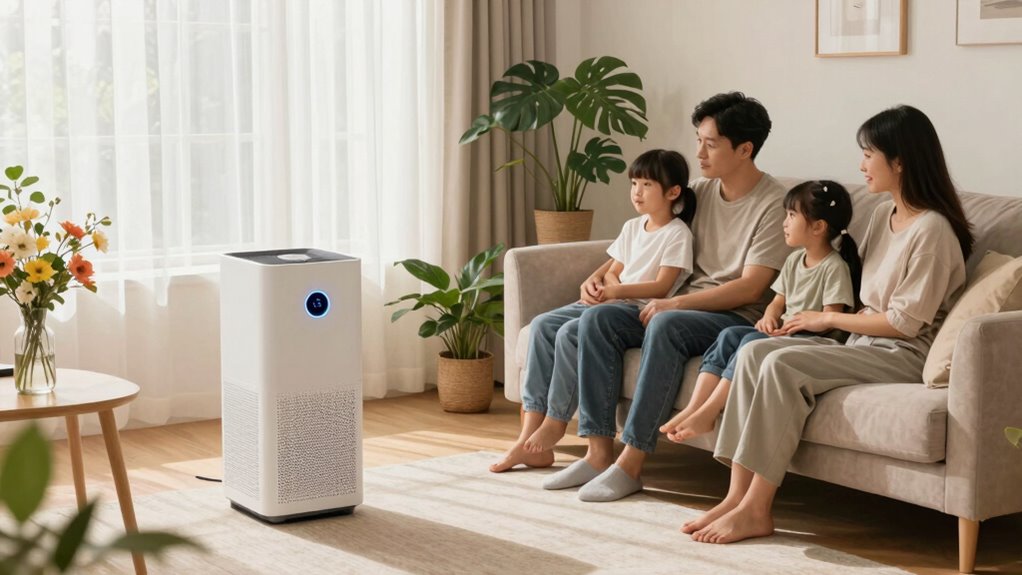

More families are realizing that indoor air quality impacts their health as much as outdoor pollution. Pollutants like dust, mold, pet dander, and VOCs can build up inside, causing respiratory issues and allergies. Proper ventilation, regular maintenance, and additional measures like air purifiers can considerably improve your home’s air. If you’re interested in protecting your family’s health, understanding how to manage indoor air concerns can make a real difference. Keep exploring to find out how you can create a healthier living space.

Get audio and creator gear delivered free — and shop member deals
- Fast, free delivery on millions of items
- Access to Prime Big Deal Days deals on October 6–7
- Prime Video, Amazon Music and more included
Key Takeaways
- Families are increasingly aware of indoor pollutants like allergens, VOCs, and mold impacting health.
- Improved ventilation systems help reduce indoor air pollutants and enhance air quality.
- Regular maintenance of HVAC and air purifiers prevents indoor contamination sources.
- Monitoring indoor air quality allows early detection and targeted management of pollutants.
- Investing in good indoor air quality promotes healthier, safer living environments for families.
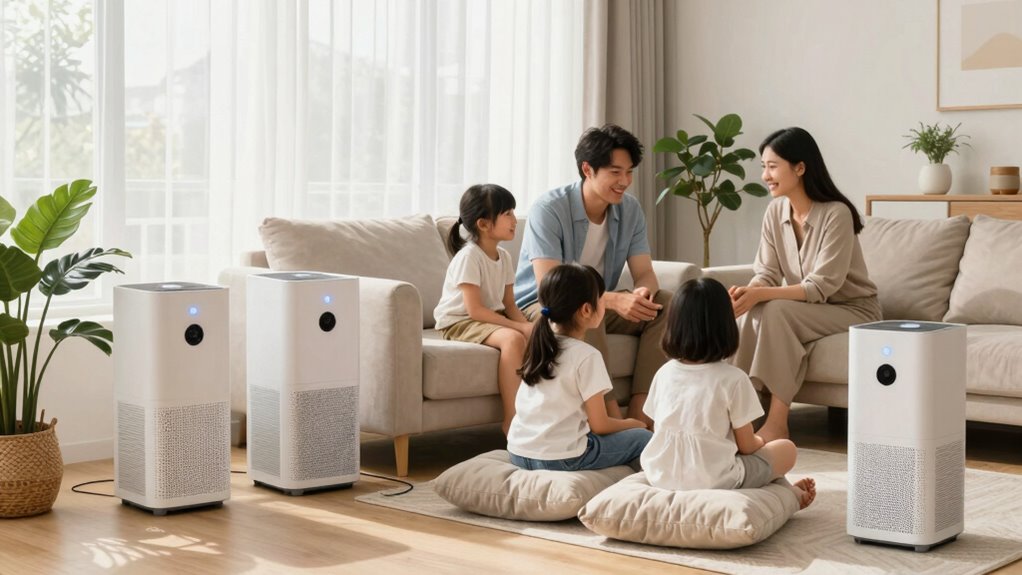
Have you ever wondered why indoor air quality can feel just as concerning as outdoor pollution? It’s because the air you breathe inside your home often contains pollutants that can impact your health just as much as, if not more than, outdoor smog or pollen. Poor air quality indoors is a growing concern for many families, especially as more people spend extended periods inside. You might not notice it right away, but allergens, dust, mold, pet dander, and volatile organic compounds (VOCs) can accumulate over time, leading to respiratory issues, allergies, or even long-term health problems.
One of the most effective ways to combat poor indoor air quality is through proper ventilation systems. These systems work by exchanging stale indoor air with fresh outdoor air, reducing the concentration of pollutants inside. It’s a simple yet powerful solution that many families overlook or underestimate. Modern ventilation systems can be tailored to fit any home, whether it’s a small apartment or a large family house. When functioning correctly, they continuously circulate air, removing contaminants, moisture, and odors that can build up over time. Regular maintenance is essential to prevent these systems from becoming sources of additional pollutants, which highlights the importance of understanding ventilation system maintenance.
Proper ventilation exchanges stale indoor air for fresh, improving health and comfort in any home.
However, it’s not just about installing ventilation systems; maintaining them is equally important. Dirty or malfunctioning systems can become breeding grounds for mold or bacteria, which can worsen indoor air quality instead of improving it. Regular inspections, cleaning filters, and ensuring proper airflow are crucial steps in keeping these systems efficient. You also need to be mindful of other factors that influence air quality, such as indoor smoking, cleaning products, and even furniture that off-gasses chemicals. Increasing awareness around indoor air issues has prompted many families to take proactive steps beyond just installing ventilation systems. Air purifiers, houseplants, and choosing low-VOC paints and cleaning supplies are additional measures that can help create a healthier environment inside your home.
Additionally, understanding the role of indoor air pollutants can help you better assess the risks and take targeted actions to improve your home environment. Recognizing the significance of air quality monitoring can enable you to identify potential issues before they become serious health hazards. It’s also important to note that proper ventilation not only improves air quality but can also help control indoor humidity levels, which in turn reduces mold growth and other moisture-related problems. But the foundation remains in proper ventilation. It’s essential to understand that good air quality isn’t just about removing visible dust or odors; it’s about reducing invisible pollutants that can affect your well-being over time.
In the end, paying attention to indoor air quality isn’t just a trend; it’s a necessary step to protect your family’s health. By investing in and maintaining effective ventilation systems, you’re proactively creating a safer, healthier living space. After all, the air you breathe inside is just as crucial as the air outside, and taking control of it can make a real difference in your overall quality of life. Understanding the importance of indoor air quality can empower you to make informed decisions for your home environment.
air purifier for indoor air quality
As an affiliate, we earn on qualifying purchases.
As an affiliate, we earn on qualifying purchases.
Frequently Asked Questions
How Can I Test Indoor Air Quality at Home?
To test your indoor air quality at home, you can start with DIY testing kits available online or at hardware stores. These kits typically measure common pollutants like mold, allergens, or volatile organic compounds. For a more accurate assessment, consider hiring a professional for an assessment. They use specialized equipment to identify issues that DIY kits might miss, ensuring you get an extensive understanding of your indoor air quality.
Are Air Purifiers Effective Against Indoor Pollutants?
Yes, air purifiers are effective against indoor pollutants. The effectiveness depends on the type of air purifier you choose and its filtration efficiency. HEPA purifiers, for example, excel at removing airborne particles like dust, pollen, and pet dander, while activated carbon filters target odors and chemicals. Select an air purifier with appropriate filter types and high filtration efficiency to improve your indoor air quality effectively.
What Are Common Indoor Air Pollutants to Watch For?
Watch out for common indoor air pollutants like dust, pet dander, mold spores, and tobacco smoke. To combat these, use effective ventilation strategies, regularly clean surfaces, and control humidity levels. Identify pollutant sources like smoking areas, damp spots, or clutter where dust settles. By focusing on ventilation strategies and pollutant sources, you can markedly improve your indoor air quality and create a healthier environment for your family.
How Often Should I Clean or Replace Air Filters?
You should clean or replace your air filters every 1 to 3 months, depending on filter type and household factors. Regular filter maintenance guarantees peak airflow and reduces indoor air pollutants. Check your filters monthly, especially if you have pets or allergies, and follow the manufacturer’s recommended replacement frequency. This routine helps keep your indoor air fresh and minimizes allergens, mold, and dust buildup, improving overall air quality.
Can Indoor Plants Improve Air Quality Significantly?
Indoor plants can improve air quality through natural filtration, but their impact varies based on plant placement and the types you choose. While they help remove some toxins and increase humidity, they shouldn’t replace proper ventilation or air purification methods. To maximize benefits, position plants in key areas like living rooms and bedrooms, and select species known for air-cleaning, such as snake plants or pothos, for a noticeable contribution to cleaner indoor air.
As an affiliate, we earn on qualifying purchases.
Conclusion
As you become more aware of indoor air quality, taking steps to improve it can make a real difference. Imagine a family who installed air purifiers and noticed fewer allergy symptoms and better sleep. By paying attention to ventilation, humidity, and pollutants, you can create a healthier home environment for your loved ones. Small changes today can lead to a safer, more comfortable space, helping you breathe easier every day.
As an affiliate, we earn on qualifying purchases.
As an affiliate, we earn on qualifying purchases.
Halloween Picks
halloween
As an affiliate, we earn on qualifying purchases.