
Protecting ecosystems is key to boosting biodiversity and fostering a positive relationship with nature. When you support habitat restoration, plant native species, and advocate for wildlife corridors, you help create healthier environments. These actions guarantee animals can migrate safely, which maintains genetic diversity and ecosystem balance. By caring for our planet’s natural systems, you contribute to cleaner air, water, and climate stability. Keep exploring how you can make a difference in strengthening these essential ecosystems.
Key Takeaways
- Protecting ecosystems ensures biodiversity, supporting the survival of diverse plant and animal species.
- Habitat restoration and wildlife corridors facilitate healthy species movement and genetic diversity.
- Healthy ecosystems provide essential services like clean air, water, and climate regulation for human well-being.
- Restoring damaged environments helps prevent species extinction and promotes ecological resilience.
- Individual and collective actions contribute to ecosystem preservation and foster positivity towards nature.

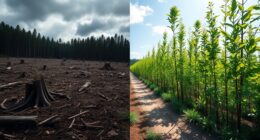
Have you ever wondered why protecting ecosystems is essential for our planet’s health? The answer lies in the intricate web of life that sustains us all. When ecosystems thrive, they provide clean air, fresh water, fertile soil, and climate stability. But human activities—urban development, deforestation, pollution—disrupt these delicate balances. To combat this, habitat restoration plays a pivotal role. It involves actively repairing damaged environments, planting native vegetation, and removing invasive species to bring ecosystems back to life. By restoring habitats, you’re helping to revive the homes of countless plants and animals, ensuring their survival and promoting biodiversity.
Another key strategy is establishing wildlife corridors. Think of these corridors as natural pathways that connect isolated patches of habitat, allowing animals to move safely between them. Without these routes, many species become stranded in shrinking habitats, which limits their access to food, mates, and breeding grounds. Wildlife corridors reduce the risks of inbreeding and population decline, fostering healthier, more resilient ecosystems. When you support or create such corridors, you’re helping to maintain genetic diversity and facilitate natural migration patterns, essential for species adaptation amid changing environmental conditions.
Protecting ecosystems isn’t just about conserving individual species; it’s about maintaining the integrity of entire landscapes. When ecosystems function properly, they regulate climate, control floods, and purify water—all indispensable processes for human well-being. You can contribute to this by advocating for policies that prioritize habitat restoration and the creation of wildlife corridors. Participating in local conservation projects, planting native trees, or supporting organizations dedicated to ecosystem health directly impact these efforts. Every action, no matter how small, adds up to a larger movement toward healthier, more resilient environments.
Frequently Asked Questions
How Can Urban Areas Contribute to Ecosystem Protection?
You can help protect ecosystems by creating and maintaining urban green spaces and community gardens. These areas provide habitats for local wildlife, support biodiversity, and improve air quality. When you plant native species and encourage community involvement, you foster a sense of stewardship. Your efforts help balance urban development with nature, ensuring ecosystems thrive amid city life. Small actions like these make a big difference in safeguarding biodiversity.
What Role Do Indigenous Communities Play in Biodiversity Preservation?
Indigenous communities play a crucial role in biodiversity preservation by applying their indigenous knowledge, which often includes sustainable land management and conservation practices. You can support this by respecting their cultural preservation efforts and collaborating with them to protect ecosystems. Their deep understanding of local environments helps maintain biodiversity and promotes sustainable use of resources, ensuring ecosystems remain healthy for future generations. Your support amplifies their essential contributions to conservation.
How Does Climate Change Affect Ecosystem Resilience?
Like a fragile house of cards, climate change threatens your ecosystem’s resilience. It accelerates climate adaptation challenges and pushes ecosystems toward tipping points, where they might collapse or drastically change. Rising temperatures, altered rainfall, and unpredictable weather weaken habitats and species interactions, making ecosystems less capable of bouncing back from disturbances. You need to act now, or these essential systems could reach irreversible tipping points, jeopardizing biodiversity and the services you rely on.
What Are the Economic Benefits of Biodiversity Conservation?
You gain significant economic benefits from biodiversity conservation through ecosystem services like clean water, pollination, and climate regulation. These services support agriculture, reduce healthcare costs, and boost tourism. By creating economic incentives, you encourage sustainable practices that protect ecosystems, ensuring long-term prosperity. Investing in biodiversity isn’t just good for nature; it strengthens your economy, provides jobs, and enhances your quality of life.
How Can Individuals Support Ecosystem Health Globally?
You can champion change by choosing sustainable practices and championing community engagement. Support local conservation efforts, reduce waste, and opt for eco-friendly products to lessen your environmental footprint. Spread awareness by sharing knowledge and inspiring others to act. Participating in community cleanups or conservation projects helps protect ecosystems globally. Your proactive actions, paired with persistent passion, can positively propel ecosystems toward health, harmony, and habitat preservation worldwide.
Conclusion
You now see how essential protecting ecosystems is, not just for nature but for our future. Did you know that over 40% of the planet’s land is managed or modified by humans? By taking action now, you can contribute to safeguarding biodiversity and ensuring healthy ecosystems. Every effort counts—whether it’s supporting conservation projects or making eco-friendly choices. Together, we can make a difference and create a world where nature thrives for generations to come.