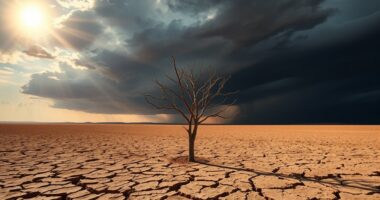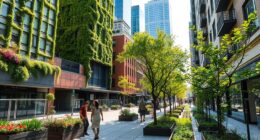

Rewilding your city with nature-based solutions boosts climate resilience by increasing biodiversity and managing risks like flooding, heatwaves, and pollution. Implementing green infrastructure, such as parks, green roofs, and street trees, helps absorb stormwater, lower urban temperatures, and improve air quality. These strategies also create healthier, more vibrant communities. By embracing natural elements, you can transform urban spaces into resilient environments that better withstand climate challenges—keep exploring to discover how these solutions make a lasting difference.
Key Takeaways
- Rewilding cities involves integrating natural habitats and green infrastructure to enhance climate resilience and urban biodiversity.
- Nature-based solutions like rain gardens and green roofs help mitigate flooding, urban heat, and pollution.
- Promoting urban biodiversity strengthens ecosystems, supporting wildlife and improving residents’ health.
- Community-led rewilding initiatives foster stewardship, social cohesion, and equitable access to green spaces.
- Implementing rewilding strategies improves urban resilience against climate impacts and enhances overall quality of life.

As climate change accelerates, cities face increasing risks from flooding, heatwaves, and air pollution. To combat these threats, rewilding urban spaces through nature-based solutions has become essential. By enhancing urban biodiversity and expanding green infrastructure, you can transform concrete jungles into resilient, healthier environments. Urban biodiversity isn’t just about adding pretty plants; it’s about creating a thriving ecosystem that supports diverse species, improves air quality, and stabilizes local climates. When you introduce native trees, shrubs, and green roofs, you provide habitats for birds, insects, and small mammals, which in turn help regulate pests and pollinate plants. This interconnected web of life strengthens the city’s natural defenses against climate impacts.
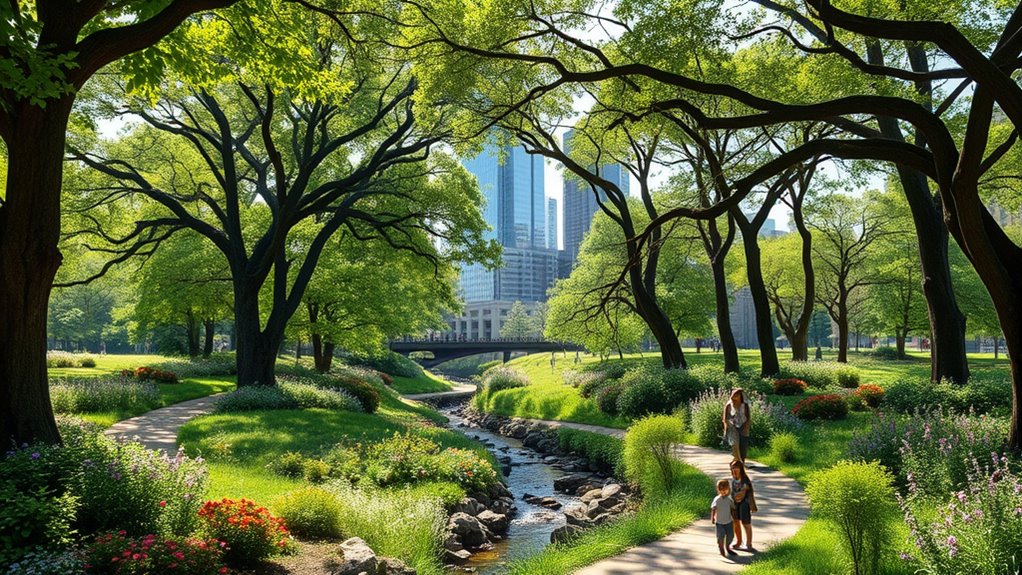
Green infrastructure acts as the backbone of rewilding efforts. Instead of relying solely on traditional gray infrastructure like concrete barriers and drainage systems, you incorporate natural elements that absorb stormwater, reduce urban heat, and filter pollutants. For example, rain gardens and permeable pavements allow water to seep into the ground, minimizing flood risks while maintaining soil health. Parks, green corridors, and urban forests serve multiple functions—cooling the environment during heatwaves, improving air quality, and offering spaces for community recreation. These green elements not only make the city more resilient but also enhance your quality of life by providing accessible natural spaces. Incorporating green infrastructure into urban planning can also promote economic benefits through increased property values and reduced energy costs.
Implementing green infrastructure is about integrating nature into your daily environment. You can advocate for policies that prioritize green roofs on commercial buildings, encourage the planting of street trees, and create pocket parks in underserved neighborhoods. These measures bolster urban biodiversity by providing new habitats, which increases ecological stability and resilience. Furthermore, as you support local planting initiatives and community-based rewilding projects, you’re fostering a sense of ownership and stewardship that sustains these efforts over time. The more you invest in green infrastructure, the more your city can absorb the shocks of climate change, from extreme weather to urban heat islands.
Rewilding cities isn’t just an environmental strategy; it’s a blueprint for healthier, more resilient urban living. By prioritizing biodiversity and integrating nature-based solutions into urban planning, you help create a city that’s better equipped to face climate challenges. This approach not only mitigates risks but also restores ecological balance, making your city a vibrant, sustainable place to live now and into the future. The key is recognizing that nature isn’t separate from urban life—it’s a crucial tool for resilience and renewal.
Frequently Asked Questions
How Do Rewilding Projects Impact Urban Biodiversity?
Rewilding projects boost urban biodiversity by restoring native flora and creating diverse habitats. You’ll see more species thrive as habitat connectivity improves, allowing animals to move freely and access resources. These efforts help sustain ecosystems within city environments, making urban areas richer in plant and animal life. By focusing on native plants and connecting green spaces, your city becomes a healthier, more resilient habitat for a variety of species.
What Are the Cost Comparisons Between Traditional Infrastructure and Rewilding?
Imagine replacing a concrete park with a rewilded green space. You’ll find that traditional infrastructure often costs more upfront for construction and maintenance, while rewilding offers better long-term savings. Financial implications favor rewilding as it reduces ongoing expenses like water management and repairs. Over time, these projects can be more cost-effective, helping you save money and build resilient urban areas that adapt to climate challenges better than conventional infrastructure.
How Can Residents Participate in Urban Rewilding Initiatives?
You can get involved in urban rewilding by joining community involvement efforts like planting native species, creating green spaces, or organizing cleanup events. Advocate for policies that support rewilding initiatives by speaking with local officials or attending city meetings. Your participation helps raise awareness and builds momentum for sustainable urban change, making your city more resilient to climate impacts while fostering a stronger, greener community.
What Challenges Do Cities Face When Implementing Rewilding Strategies?
When implementing rewilding strategies, you face challenges like policy hurdles and funding limitations. Cities often struggle with existing regulations that don’t support green initiatives, making policy changes difficult. Additionally, securing funds for rewilding projects can be tough, especially when priorities focus on immediate urban needs. Overcoming these obstacles requires collaboration, innovative financing, and policy reforms to turn rewilding visions into reality.
Are There Successful Case Studies of Rewilded Cities Worldwide?
You’ll find that several cities have successfully integrated rewilding into their urban planning. For example, Singapore’s ecological restoration projects transform urban spaces into lush, green environments, boosting biodiversity and climate resilience. Similarly, New York City’s High Line rewilding effort has revitalized the cityscape. These cases show how strategic urban planning supports rewilding, creating healthier, more resilient cities. Such successes inspire others to adopt nature-based solutions for climate adaptation.
Conclusion
By rewilding your city, you’re planting seeds of hope and resilience, turning concrete jungles into thriving ecosystems. Each green space becomes a heartbeat of renewal, symbolizing nature’s power to heal and adapt. Embrace this transformation, knowing that as your city breathes anew, it also awakens a collective spirit ready to face climate challenges. Rewilding isn’t just about nature—it’s about reclaiming your city’s soul and securing a sustainable future for all.