
As a homeowner, understanding water quality concerns helps you keep your family safe and avoid costly repairs. You should be aware of potential contaminants like bacteria, heavy metals, and chemicals that can hide in tap water without obvious signs. Regular testing reveals hidden issues early so you can choose the right treatment options, like filters or UV systems. Staying informed about your local water conditions guarantees you maintain safe, clean water—discover more about protecting your home and health.
Open a free Amazon Business account
Business pricing, bulk buying and tax-exempt orders.
As an affiliate, we earn on qualifying purchases.
Key Takeaways
- Regular water testing detects hidden contaminants like bacteria, heavy metals, and chemicals before symptoms appear.
- Understanding local water sources and history helps anticipate potential contamination issues.
- Different treatment options target specific pollutants, requiring tailored solutions for safe drinking water.
- Water quality can fluctuate over time, necessitating ongoing testing and system maintenance.
- Proactive management and awareness of regulations ensure household safety and effective water treatment.
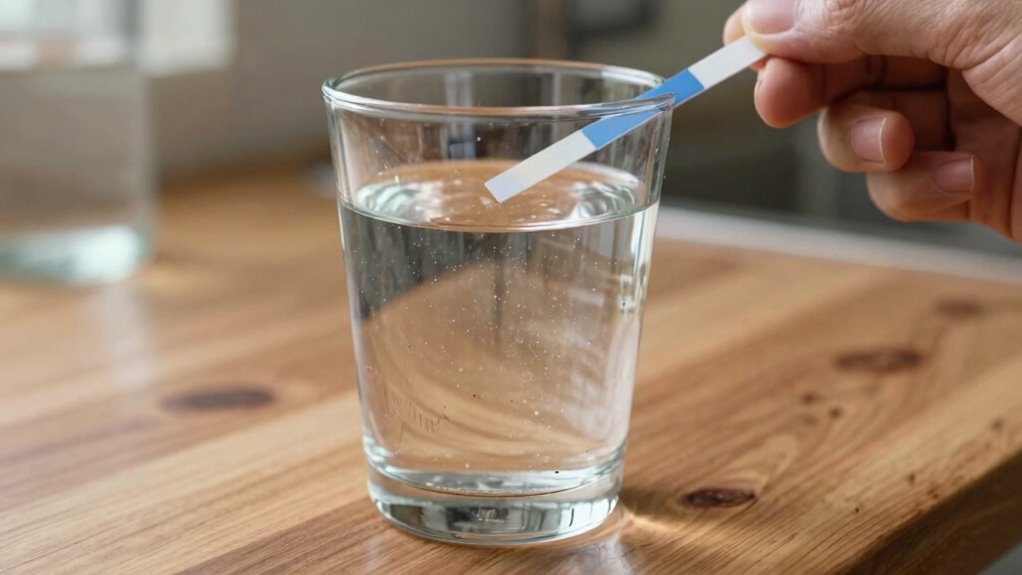
Clean water is essential for your health and daily life, but many homeowners overlook potential quality issues lurking in their tap water. You might assume that if your water looks and tastes normal, it’s safe, but that’s not always the case. Hidden contaminants can be present without any obvious signs, which is why understanding water quality concerns is crucial. One of the first steps you should take is contaminant testing. This process helps identify what’s in your water—whether it’s bacteria, heavy metals, chemicals, or other pollutants. Regular testing can reveal issues early before they impact your health, giving you the information needed to decide on the best water treatment options.
Regular contaminant testing reveals hidden water issues early, helping you choose the right treatment and protect your health.
Once you know what contaminants are present, you can explore water treatment options tailored to address those specific issues. For example, if testing uncovers lead or heavy metals, installing a reverse osmosis system or activated carbon filters can significantly reduce these toxins. If bacteria or viruses are detected, chlorination or ultraviolet (UV) purification systems are effective solutions. Water treatment isn’t one-size-fits-all; it’s about choosing the right method to ensure your water is safe for drinking, cooking, and bathing. You might also consider whole-house systems if contaminants are widespread throughout your plumbing. These systems can improve water quality at every tap, providing peace of mind and protecting your family from potential health risks.
Many homeowners overlook that water quality isn’t static. It can change over time due to factors like aging infrastructure, environmental pollution, or seasonal variations. That’s why ongoing contaminant testing is essential. Regular testing allows you to monitor your water’s quality and adjust your treatment methods as needed. Additionally, understanding your local water supply’s history and potential sources of contamination can help you stay proactive. For instance, staying informed about local water issues and how they might influence your water supply can help you anticipate and prevent problems before they become serious. Being aware of local water issues can help you make more informed decisions about your water safety. Staying informed about your water supply helps you take preventative measures rather than reacting after issues become serious. Implementing proper maintenance of your water treatment systems can also ensure their ongoing effectiveness and longevity. Moreover, understanding the regulations and standards governing water quality can empower you to advocate for safer water in your community.
Investing in proper water treatment not only protects your health but also extends the lifespan of your plumbing and appliances, saving you money in the long run. By staying informed about your water quality and exploring suitable treatment options, you take control of a vital aspect of your home’s safety. Don’t wait for signs of trouble—regular testing and appropriate treatment keep your water clean, safe, and healthy for everyone in your household.
reverse osmosis water filter system
As an affiliate, we earn on qualifying purchases.
As an affiliate, we earn on qualifying purchases.
Frequently Asked Questions
How Often Should I Test My Home’s Water Quality?
You should test your home’s water quality at least once a year for routine concerns, but more often if you notice changes in taste, smell, or appearance. Your water testing frequency depends on your specific homeowner water concerns, such as potential contamination or aging pipes. Regular testing helps catch issues early, ensuring safe, clean water. If you have a private well, consider testing more frequently, especially after storms or heavy rainfall.
What Are the Long-Term Health Effects of Contaminated Water?
Long-term health effects of contaminated water can include serious health risks like gastrointestinal illnesses, neurological issues, and increased cancer risk. Chronic exposure to pollutants such as heavy metals or chemicals may lead to long-lasting health problems, affecting your immune system, kidneys, or even causing developmental issues. You should prioritize regular testing and treatment to minimize these health risks and protect your family from the dangers of contaminated water over time.
Can Water Quality Issues Affect My Home’s Resale Value?
Water contamination can subtly influence your home’s resale impact, making potential buyers wary of hidden issues. When water quality concerns arise, they may raise doubts about safety and maintenance, which can lead to lower offers or hesitation. Addressing water quality problems proactively not only safeguards your family’s health but also preserves your home’s value, ensuring that resale prospects stay strong and appealing to future owners.
Are There Affordable Solutions for Improving Water Quality?
Yes, there are affordable filtration solutions that can greatly improve your water quality. You can opt for activated carbon filters, which are cost-effective and easy to install, or consider pitcher filters for quick upgrades. Be cautious of water quality myths—like believing all filters are the same—so research thoroughly. These affordable options help guarantee safe, clean water without breaking the bank, giving you peace of mind daily.
How Do I Choose a Reliable Water Testing Service?
Ever wondered how to guarantee your water testing is trustworthy? To choose a reliable service, look for providers that meet certification standards, guaranteeing accurate results. Research their reputation, ask about their testing methods, and verify their credentials. Do they offer thorough water testing, including contaminants that matter most to you? Trust a company that prioritizes transparency and quality, so you can confidently safeguard your home’s water supply.
As an affiliate, we earn on qualifying purchases.
Conclusion
Understanding your water quality is like having a lighthouse guiding you safely through unpredictable waters. By staying informed and vigilant, you can spot hidden dangers lurking beneath the surface before they cause trouble. Think of it as tending a delicate garden—you nurture it with care, ensuring it blooms with purity and health. When you take control, you’re not just protecting your water; you’re safeguarding your home’s future, turning potential hazards into clear, safe streams of assurance.
As an affiliate, we earn on qualifying purchases.
whole house water filtration system
As an affiliate, we earn on qualifying purchases.
As an affiliate, we earn on qualifying purchases.
Fall Picks
fall essentials
As an affiliate, we earn on qualifying purchases.