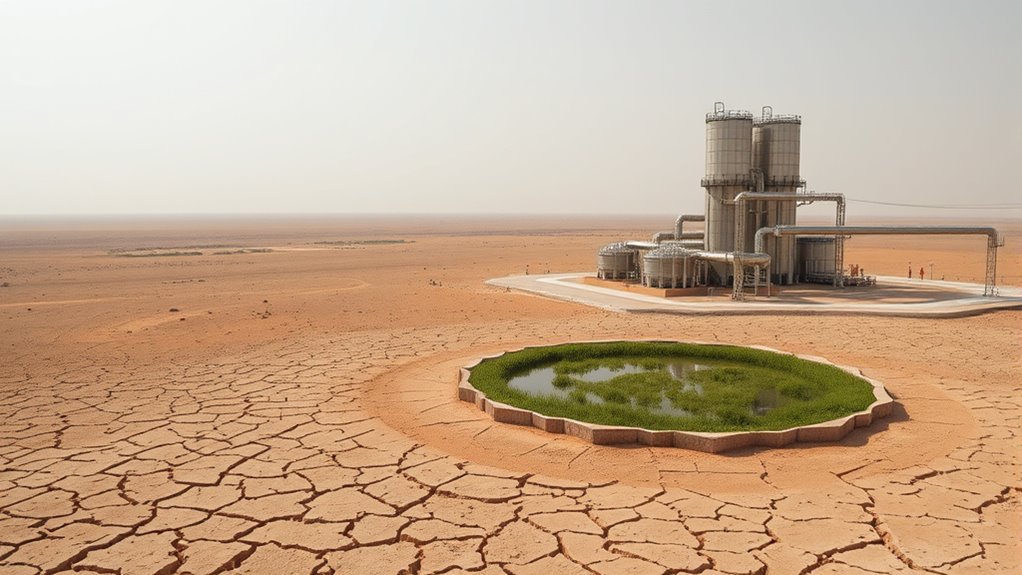

Water scarcity is a growing concern worldwide, but you can help by supporting conservation efforts like reducing water waste and reusing wastewater for agriculture and industry. Advanced desalination technologies, such as reverse osmosis and solar-powered plants, are making seawater a more reliable source, especially in coastal areas. These innovations lower costs and energy use, making water supplies more sustainable. To understand how these solutions can impact your community, keep exploring these promising advancements.
Key Takeaways
- Water reuse and recycling extend water supplies by treating wastewater for agricultural, industrial, and drinking purposes.
- Advanced treatment methods like membrane filtration improve efficiency and affordability of water reuse.
- Desalination technologies, such as reverse osmosis, convert seawater into freshwater, reducing reliance on natural sources.
- Emerging desalination innovations, including energy recovery and solar-powered plants, lower costs and environmental impacts.
- Combining conservation efforts with technological advancements offers sustainable solutions to global water scarcity.
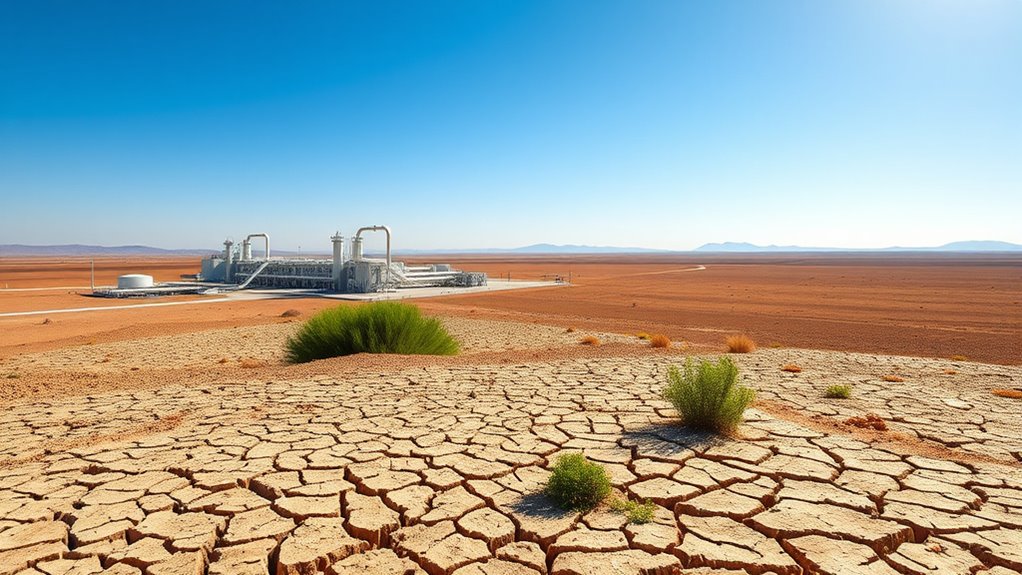
Have you ever thought about what life would be like without enough clean water? It’s a scenario that’s becoming increasingly real for many regions around the world. As populations grow and climate change disrupts rainfall patterns, water scarcity hits harder each year. To combat this, scientists and engineers are turning to innovative solutions like water reuse and desalination advancements. These technologies are transforming how we think about securing freshwater supplies and helping communities survive in arid environments.
Water reuse, also known as water recycling, involves treating wastewater so it can be safely used again. Instead of letting wastewater go to waste, it gets purified through advanced treatment processes, turning it into a valuable resource for agriculture, industry, and even drinking water. This approach not only extends existing water supplies but also reduces the strain on natural sources like rivers and aquifers. When you consider water reuse, you’re fundamentally making every drop count, conserving the planet’s finite freshwater resources. It’s a smart, sustainable way to address water scarcity, especially in urban areas where demand is skyrocketing. Plus, new treatment methods, such as membrane filtration and advanced oxidation, are making the process more efficient and affordable than ever before. These improvements mean that more communities can adopt water reuse practices with confidence, ensuring a reliable water supply even during droughts.
On the other hand, desalination advancements are opening new frontiers in water production. Desalination involves removing salt and other impurities from seawater or brackish water, making it suitable for human consumption and agriculture. Historically, desalination was energy-intensive and costly, but recent technological breakthroughs have drastically improved its feasibility. Innovations like reverse osmosis membranes, energy recovery devices, and solar-powered desalination plants have lowered costs and reduced environmental impacts. These advancements make desalination a more practical solution for coastal regions facing acute water shortages. Imagine turning the vast oceans into a dependable water source—this is now becoming a reality in many parts of the world, thanks to cutting-edge desalination technology. Additionally, high-efficiency membrane technology is helping to further reduce energy consumption and operational costs. While it’s not a one-size-fits-all solution, it complements other conservation efforts by providing an additional, reliable supply of freshwater. As desalination continues to evolve, it will likely play an even bigger role in addressing global water scarcity, especially in areas where traditional sources are exhausted or contaminated.
Frequently Asked Questions
What Are the Latest Advancements in Desalination Technology?
You’ll find that recent advancements in desalination technology focus on membrane innovations and energy efficiency. New membranes are more durable and resistant to fouling, reducing maintenance needs. Meanwhile, energy-efficient methods like forward osmosis and renewable-powered systems cut operational costs and environmental impact. These improvements make desalination more sustainable and accessible, helping you address water scarcity challenges more effectively and ensuring a reliable water supply in the future.
How Can Individuals Contribute to Water Conservation Efforts?
You can contribute to water conservation by adopting personal habits like fixing leaks, taking shorter showers, and turning off taps when not in use. Participating in community initiatives, such as local clean-up events or water-saving programs, also makes a difference. Your actions help reduce water waste and encourage others to follow suit, creating a collective impact that addresses water scarcity effectively. Every effort counts towards sustainable water use.
What Are the Environmental Impacts of Large-Scale Desalination Plants?
Like a ripple in the ocean, large-scale desalination plants impact marine ecosystems, disrupting delicate habitats and threatening marine life. They also consume significant energy, leaving a carbon footprint that worsens climate change. These environmental costs ripple through ecosystems, affecting biodiversity and water quality. When you support or advocate for desalination, remember these impacts, and push for cleaner, more sustainable solutions that minimize harm to our planet’s essential marine resources.
How Cost-Effective Are Desalination Solutions Compared to Traditional Water Sources?
Desalination solutions can be cost-effective in areas with high water scarcity, but their economic feasibility depends on infrastructure requirements and energy costs. You might find that initial investments are high, yet long-term savings can offset these expenses, especially when traditional sources are limited or expensive. However, consider that extensive infrastructure and energy demands could make desalination less viable in some regions, influencing overall cost-effectiveness.
What Policies Are Most Effective in Promoting Water Conservation Globally?
You can promote water conservation effectively by implementing policy incentives like rebates and restrictions, encouraging responsible water use. Raising public awareness through education campaigns also plays a vital role in changing habits. When you combine these strategies, individuals and industries become more motivated to conserve water, making policies more impactful worldwide. Your active involvement in supporting these policies helps create a sustainable future with adequate water resources for all.
Conclusion
As you face a world where water is scarce, remember that conservation and desalination are your tools to turn the tide. Imagine lush landscapes thriving where once there was drought, or clear oceans transformed into sources of life. While scarcity threatens to dry up your future, innovative technologies and mindful habits can quench your thirst. Together, you hold the power to bridge the gap between scarcity and abundance, ensuring water flows for generations to come.