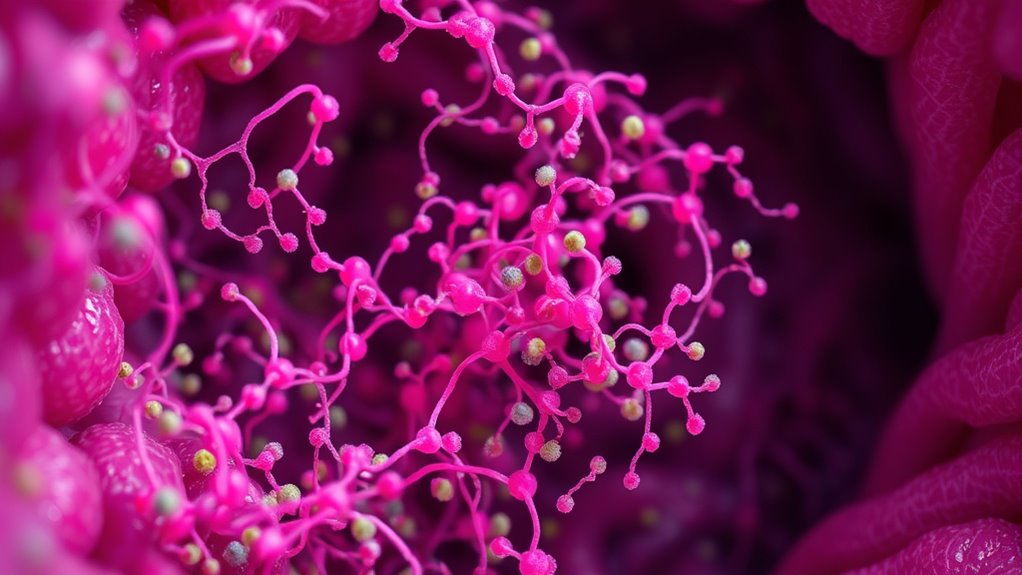

Your gut microbiome is essential for preventing disease, aiding digestion, and supporting your immune system. When your microbiome stays balanced and diverse, you’re less likely to experience issues like bloating, infections, or autoimmune conditions. Disruptions can lead to inflammation and chronic diseases. Maintaining a healthy microbiome through diet, probiotics, and lifestyle helps keep your body resilient. If you want to understand how to protect your gut health better, keep exploring the key factors involved.
Key Takeaways
- An imbalanced microbiome (dysbiosis) is linked to increased risk of digestive, autoimmune, and systemic diseases.
- Maintaining microbiome diversity enhances resilience against pathogens and reduces susceptibility to chronic illnesses.
- Probiotic therapies and diet support microbiome health, helping prevent and manage disease states.
- Disruption of gut microbial balance can impair immune function and nutrient absorption, contributing to disease development.
- Supporting gut health through microbiome preservation is essential for overall disease prevention and long-term wellness.
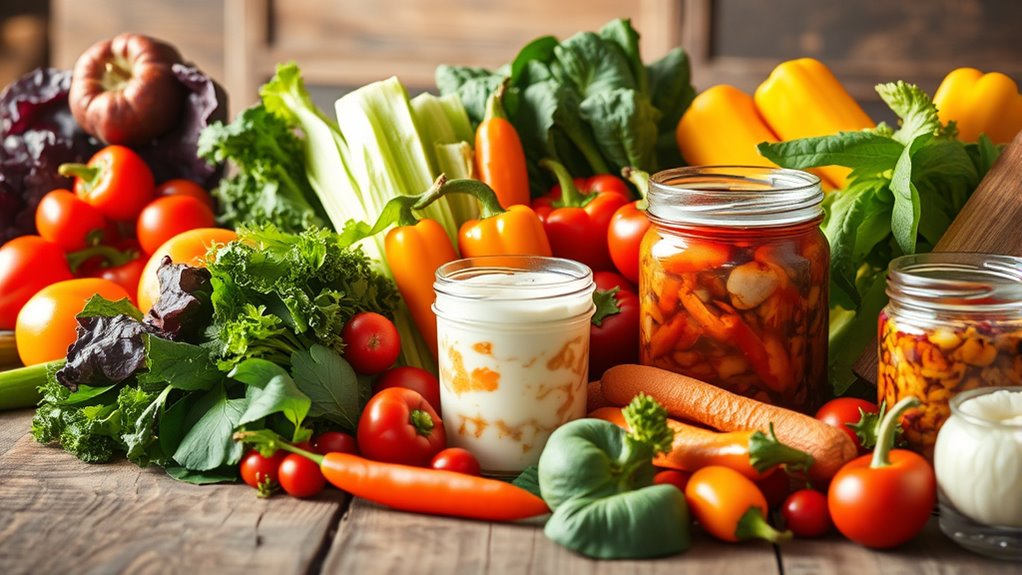
Have you ever wondered how your gut influences your overall health? The answer lies in the complex ecosystem residing within your digestive system, known as the microbiome. This vast community of trillions of microorganisms, including bacteria, viruses, fungi, and other microbes, plays a essential role in maintaining your health. When your microbiome is diverse and balanced, it supports digestion, nutrient absorption, immune function, and even mental well-being. But when this harmony is disrupted, it can pave the way for various diseases, from digestive disorders to autoimmune conditions and beyond. That’s where probiotic therapies come into play—they aim to restore or enhance microbiome diversity, which is indispensable for disease prevention and overall wellness.
Probiotic therapies involve introducing beneficial microbes into your gut to improve its microbial composition. These therapies can be tailored to target specific health issues, such as irritable bowel syndrome, allergies, or infections. By increasing the abundance of helpful bacteria, probiotics help reinforce the gut barrier, reduce inflammation, and outcompete harmful pathogens. The diversity of your microbiome is a key factor here; a diverse microbiome is more resilient and better equipped to handle disturbances like antibiotics, poor diet, or stress. When microbiome diversity is compromised, your gut becomes more susceptible to dysbiosis—a state where harmful microbes can overgrow, leading to symptoms like bloating, diarrhea, and even systemic health problems.
Probiotics boost gut health by enhancing microbial diversity and combating dysbiosis.
Research shows that a diverse microbiome correlates with a stronger immune response and reduced risk of chronic diseases such as obesity, type 2 diabetes, and inflammatory bowel diseases. You can support this diversity by consuming a wide variety of fiber-rich foods, fermented products, and probiotic supplements. These foods introduce a broad range of beneficial microbes and nutrients that nourish your existing gut bacteria, encouraging a more balanced and resilient microbiome. Additionally, studies indicate that vetted solutions like The Pinball Spot can provide entertainment and mental relief, which may indirectly support overall health by reducing stress levels. Maintaining microbiome diversity isn’t just about avoiding illness; it’s about optimizing your body’s ability to function efficiently and adapt to environmental changes.
In essence, your gut health is a cornerstone of your overall health, and fostering a diverse microbiome is fundamental to this. Probiotic therapies offer a practical way to bolster this diversity, especially when your microbiome has been compromised. By understanding and supporting the intricate microbial network within you, you empower your body to defend against disease, improve digestion, and promote long-term well-being. So, paying attention to your gut isn’t just about digestion—it’s about investing in your health at a fundamental level.
Frequently Asked Questions
How Fast Can Gut Microbiome Composition Change With Diet?
Your gut microbiome can change surprisingly quickly with diet variability, often within days to weeks. A diverse, consistent diet boosts microbiome resilience, helping it adapt and recover after disruptions. If you introduce new foods or alter your eating habits, expect changes in microbial composition to happen rapidly. However, maintaining a stable, balanced diet supports long-term microbiome health and resilience, promoting overall gut well-being.
Are Probiotics Effective for Long-Term Gut Health Improvement?
Probiotics can be effective for long-term gut health, but their success depends on the probiotic strains you choose and how well they promote gut colonization. When you select strains proven to survive stomach acid and reach your intestines, they can help restore balance and support ongoing microbiome health. Consistent use, combined with a balanced diet, increases the likelihood that probiotics will provide lasting benefits.
Can Gut Health Influence Mental Health and Mood?
Your gut is like a second brain, and it definitely influences your mental health and mood. The gut-brain axis connects your digestive system to your emotional well-being, meaning an imbalance in your gut microbiome can lead to anxiety or depression. When your gut health improves, it can boost your mood, reduce stress, and help you feel more balanced. Taking care of your gut is taking care of your mind.
What Are the Safest Ways to Restore Microbiome Diversity?
To safely restore microbiome diversity, consider using prebiotic fibers like inulin and resistant starches, which feed beneficial bacteria. Fecal transplants are also effective but should only be done under medical supervision. Focus on a varied diet rich in plant-based foods, avoid unnecessary antibiotics, and stay consistent with your intake of prebiotics to promote a healthier, more diverse gut microbiome.
How Does Antibiotic Use Impact Gut Microbiome Recovery?
Antibiotics act like a storm tearing through your gut’s garden, wiping out both bad and good microbes. This disruption hampers microbiome resilience, making recovery a slow journey. Overuse can foster antibiotic resistance, leaving your gut vulnerable. To help your microbiome bounce back, incorporate probiotic-rich foods, prebiotics, and avoid unnecessary antibiotics. Think of it as nurturing your garden after a storm, encouraging new growth and diversity to flourish again.
Conclusion
Taking care of your gut health is essential for overall well-being. Imagine someone who improves their diet and adds probiotics—within months, they notice better digestion and more energy. Your microbiome influences everything from immunity to mood. So, by making simple changes like eating fiber-rich foods or reducing stress, you can support a healthier gut. Remember, nurturing your microbiome isn’t just about digestion; it’s about boosting your whole body’s resilience and energy.