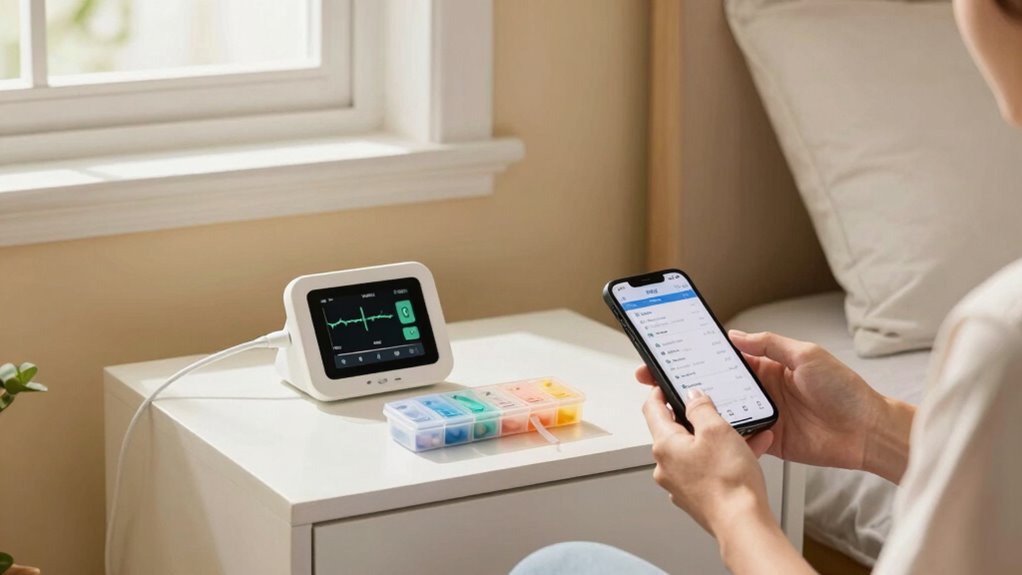

To manage home health effectively, focus on key metrics like patient satisfaction and care outcomes. These reveal how well patients respond to treatments and if health goals are being met. Prioritizing these indicators helps you make informed decisions without getting overwhelmed by unnecessary data. Tracking psychological well-being and engagement strategies can also boost recovery. Keep an eye on these essential areas, and you’ll be better equipped to provide quality care—there’s more to uncover as you explore further.

Get audio and creator gear delivered free with Prime
- Fast, free delivery on millions of items
- Prime Video, Amazon Music and more included
- Member-only deals all year
Key Takeaways
- Focus on essential indicators like patient satisfaction and care outcomes to gauge quality without data overload.
- Regularly review key metrics to identify trends and proactively address care issues.
- Use targeted data analysis to improve treatment plans and patient engagement strategies.
- Incorporate psychological and environmental factors to support holistic patient well-being.
- Prioritize continuous improvement by evaluating the effectiveness of care protocols and patient responses.
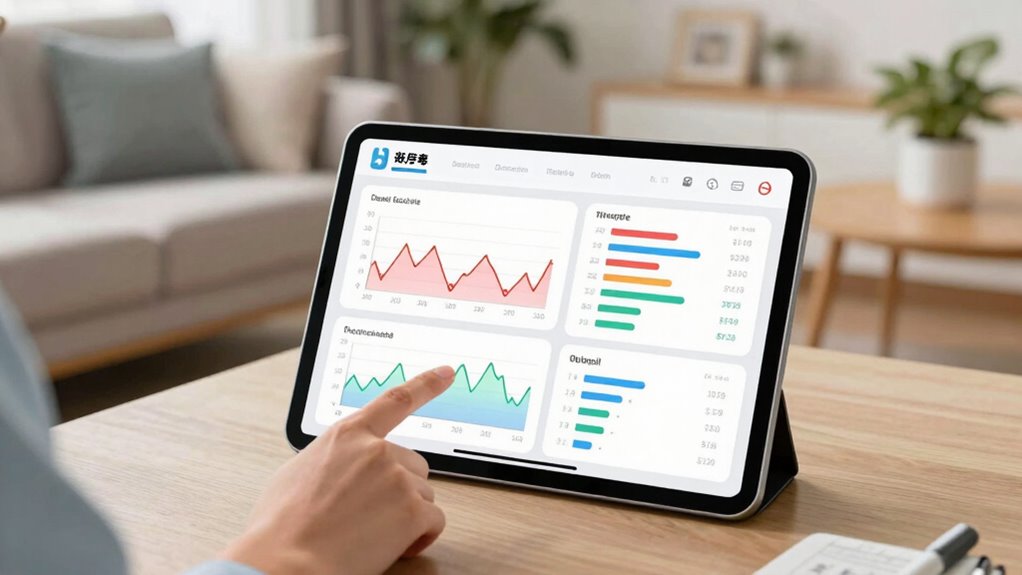
Tracking home health metrics is essential for delivering quality patient care and improving outcomes. When you monitor the right data, you gain valuable insights into how your patients are responding to treatment and whether your care plans are effective. One of the most important metrics you should focus on is patient satisfaction. Happy patients are more likely to follow treatment instructions, engage actively in their recovery, and provide honest feedback that helps you refine your approach. Measuring patient satisfaction through surveys or direct communication allows you to identify areas where your service excels and where improvements are needed. This feedback not only boosts patient experience but also enhances your reputation and credibility.
Alongside patient satisfaction, care outcome analysis plays a critical role in ensuring your interventions are making a tangible difference. By evaluating whether patients meet their health goals, such as wound healing, medication adherence, or mobility improvements, you can determine the effectiveness of your care plans. Regularly analyzing these outcomes helps you spot trends, recognize potential issues early, and adjust treatments proactively. When you combine patient satisfaction data with care outcome analysis, you develop an all-encompassing picture of your service quality. This dual approach ensures you’re not just delivering care, but delivering the right care that truly benefits your patients.
It’s tempting to get caught up in tracking every possible metric, but focusing on these key indicators keeps your efforts targeted and meaningful. For example, if patient satisfaction scores drop, dig into the specific feedback to understand why. Is it communication gaps, scheduling issues, or perhaps the perceived quality of care? Similarly, if care outcomes aren’t meeting expectations, review your care protocols and patient engagement strategies. This targeted analysis allows you to make data-driven decisions that optimize care delivery without overwhelming yourself with extraneous information. Recognizing the importance of psychological assessments in understanding patient behavior can further enhance your care strategies. Incorporating biodiversity principles into patient care, such as promoting a healing environment connected with nature, can also positively influence recovery outcomes. Additionally, understanding home health metrics can help you tailor interventions better suited to individual patient needs and environments. Utilizing evidence-based practices ensures your care remains effective and aligned with current research. Moreover, emphasizing patient engagement strategies encourages active participation, leading to improved health results.
In practice, regularly reviewing these metrics enables you to measure progress over time, set realistic benchmarks, and celebrate improvements. It also fosters open communication channels with your patients, making them feel heard and valued. When you prioritize patient satisfaction and care outcome analysis, you create a cycle of continuous improvement that benefits everyone involved. Remember, the goal isn’t to obsess over every detail but to stay informed about key indicators that truly matter. By doing so, you enhance the quality of care you provide, foster trust with your patients, and ultimately achieve better health outcomes.
patient satisfaction survey tools
As an affiliate, we earn on qualifying purchases.
As an affiliate, we earn on qualifying purchases.
Frequently Asked Questions
How Often Should Home Health Metrics Be Reviewed?
You should review home health metrics weekly or biweekly to guarantee data accuracy and staff performance. Regular reviews help catch discrepancies early and identify areas needing improvement. By maintaining consistent monitoring, you support staff training and foster accountability. This proactive approach ensures high-quality patient care, keeps your team aligned, and allows you to adapt quickly to any changes or challenges in your home health operations.
Who Should Be Responsible for Tracking These Metrics?
Tracking these metrics is like steering a ship; you need a dedicated crew to stay on course. You should assign responsibility to someone with caregiver accountability, such as a team leader or manager, who understands data privacy. They’ll guarantee accuracy and confidentiality while regularly monitoring performance. By doing so, you keep your home health services efficient and compliant, fostering trust and quality care without overwhelming yourself or your team.
Can Metrics Be Customized for Different Patient Needs?
Yes, metrics can be customized for different patient needs. You should prioritize personalized care by adjusting metrics to reflect each patient’s unique conditions and goals. Metric flexibility allows you to tailor data collection and analysis, ensuring that you focus on what truly matters for individual outcomes. This approach helps you deliver more effective, patient-centered care while maintaining meaningful insights without getting overwhelmed by unnecessary data.
What Tools Are Best for Monitoring Home Health Metrics?
Think of your tools as a compass guiding you through a vast, ever-changing landscape. Remote monitoring devices act as your vigilant scouts, providing real-time data, while data analytics serve as your seasoned mapmakers, revealing patterns and insights. Together, they form a powerful duo to track your home health metrics effectively. By using these tools, you gain clarity, make informed decisions, and guarantee your patients stay on the right path to better health.
How Do Metrics Impact Patient Satisfaction?
Metrics directly influence patient satisfaction by highlighting areas where your team can improve. When you focus on patient engagement, you foster trust and comfort, leading to better experiences. Staff training based on these metrics guarantees your team delivers consistent, quality care. By actively monitoring and acting on the data, you create a positive environment that meets patient needs, boosting satisfaction and loyalty.
home health care outcome tracking devices
As an affiliate, we earn on qualifying purchases.
As an affiliate, we earn on qualifying purchases.
Conclusion
By understanding these essential home health metrics, you hold the compass to navigate your well-being with confidence. Think of these numbers as the steady drumbeat guiding your journey through health’s unpredictable terrain. When you listen closely, they whisper secrets of balance, resilience, and growth. Embrace them not as burdens but as gentle stars illuminating your path, turning the often complex voyage of health into a dance where you’re always in step, always in control.
medical care quality assessment tools
As an affiliate, we earn on qualifying purchases.
As an affiliate, we earn on qualifying purchases.
patient engagement monitoring devices
As an affiliate, we earn on qualifying purchases.
As an affiliate, we earn on qualifying purchases.
Halloween Picks
halloween
As an affiliate, we earn on qualifying purchases.