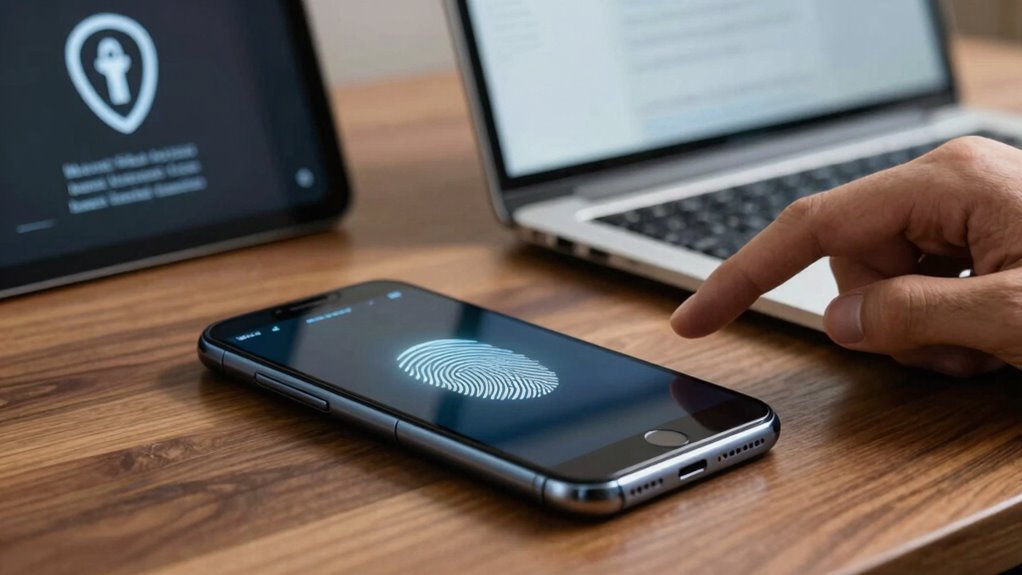

Biometric privacy laws influence your everyday devices by setting rules on how your fingerprints, face scans, and other data are collected, stored, and used. They require devices to protect your info with secure storage and on-device processing, reducing hacking risks. These laws also demand clear notices and give you control over your data. By adhering to these protections, manufacturers guarantee your privacy is respected. Keep exploring, and you’ll discover how these regulations impact device security even further.

Get audio and creator gear delivered free with Prime
- Fast, free delivery on millions of items
- Prime Video, Amazon Music and more included
- Member-only deals all year
Key Takeaways
- Devices must obtain explicit user consent before collecting biometric data like fingerprints or facial scans.
- Biometric data is securely stored locally on devices to prevent unauthorized access.
- Clear notices inform users how their biometric information is used and shared.
- Devices incorporate enhanced security measures, such as encryption and secure hardware components.
- Ongoing compliance ensures biometric data remains protected through regular security updates and standards.
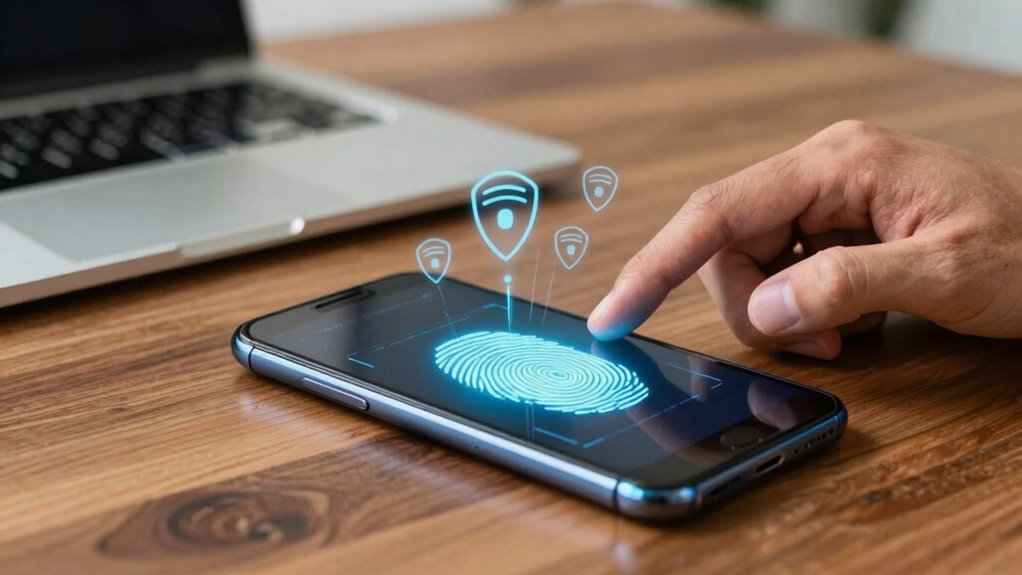
Have you ever wondered how your biometric data—like fingerprints or facial scans—are protected by law? These laws are designed to give you better control over how your personal information is collected, stored, and used. When it comes to everyday devices like smartphones, laptops, or even home security systems, biometric privacy laws play a crucial role in shaping their security features. For example, many devices now use facial recognition to unlock screens or verify your identity. Without clear legal standards, companies might collect this sensitive data without your knowledge or mishandle it, risking your privacy.
Biometric privacy laws set strict guidelines about how companies must handle your facial recognition data. They typically require explicit consent before collecting such information, and they demand that organizations implement robust security measures to safeguard it. This means your biometric data should be stored securely, often encrypted, to prevent unauthorized access. These laws aim to improve data security by establishing clear responsibilities for organizations to protect your information from breaches or misuse. When a company complies with these regulations, you can feel more confident that your facial scans or fingerprint data won’t be exploited or leaked.
In practice, these laws influence the design of everyday devices. Manufacturers must incorporate secure storage methods and limit access to biometric data, which directly impacts the device’s architecture. For instance, many smartphones now process facial recognition locally rather than sending images to external servers, reducing the risk of interception or hacking. This shift toward on-device data processing is a direct result of biometric privacy laws emphasizing data security. You benefit from these protections because your biometric information stays within your device, making it less vulnerable to cyberattacks. Additionally, privacy regulations often require ongoing compliance checks to ensure that companies maintain data security standards over time. Moreover, the development of secure hardware components is driven by these laws to enhance protection at the device level.
Furthermore, biometric privacy laws often require companies to be transparent about how they collect and use your data. You should have clear notices explaining what’s being collected and why, giving you more control over your personal information. This transparency helps prevent misuse and reassures you that your biometric data isn’t being sold or shared without your permission. As a result, you can make informed decisions about enabling facial recognition features on your devices, knowing that legal protections are in place to safeguard your privacy. Additionally, these laws promote data encryption to ensure your biometric data remains protected from unauthorized access or theft. These regulations also encourage the adoption of privacy-by-design principles, which integrate security features into device development from the outset. An understanding of biometric data handling is essential to appreciate how these protections work in your everyday devices.
As an affiliate, we earn on qualifying purchases.
Frequently Asked Questions
How Do Biometric Privacy Laws Vary Between Countries?
Biometric privacy laws differ across countries due to international compliance and cultural differences. You’ll find some nations, like the EU, enforce strict regulations, requiring explicit consent and data protection measures. Others may have looser rules, prioritizing innovation or security. You must stay aware of these variations if you operate or use devices globally, as compliance impacts data collection, storage, and usage practices. Understanding these differences helps you navigate legal requirements effectively.
Are Biometric Data Breaches Legally Punishable?
If your biometric data gets breached, it’s often legally punishable, especially if organizations neglect biometric authentication protocols or data encryption. Laws like GDPR or CCPA impose hefty penalties for mishandling biometric information. So, when data breaches happen, expect potential fines or legal action. You should stay informed about your rights and guarantee companies implement secure biometric authentication methods to protect your sensitive data from unauthorized access.
What Rights Do Consumers Have Over Their Biometric Data?
You have the right to control your biometric data, including giving biometric consent before it’s collected. Laws often require companies to inform you about how they use your data and obtain your approval. Additionally, your data should be protected through data encryption to prevent unauthorized access. If your rights are violated, you can seek legal recourse, making sure your biometric information stays secure and your privacy respected.
How Do Laws Impact Biometric App Development?
You might think laws slow down biometric app development, but ironically, they push you to innovate more securely. Laws require stricter standards for user authentication and data encryption, making apps safer for everyone. While it might seem like a hassle, these regulations motivate developers to create more trustworthy biometric solutions. So, instead of hindering progress, laws guarantee your biometric data stays protected, encouraging responsible innovation in the tech world.
Can Biometric Data Be Legally Shared With Third Parties?
Biometric data can only be legally shared with third parties if you meet strict consent requirements and guarantee data encryption. Laws require you to obtain clear, informed consent before sharing. You must also implement strong encryption to protect the data during transfer and storage. Failing to follow these rules could lead to legal penalties, so always prioritize securing biometric data and respecting users’ privacy preferences.
on-device facial recognition device
As an affiliate, we earn on qualifying purchases.
As an affiliate, we earn on qualifying purchases.
Conclusion
As you use everyday devices, biometric privacy laws shape how your data is collected and protected. These laws aim to give you more control and security, but they also introduce new challenges for manufacturers. Did you know that over 60% of consumers are concerned about biometric data misuse? Staying informed helps you understand your rights and how these regulations impact your digital life, ensuring you can enjoy technology safely and confidently.
encrypted biometric storage device
As an affiliate, we earn on qualifying purchases.
As an affiliate, we earn on qualifying purchases.
As an affiliate, we earn on qualifying purchases.
Columbus Day / Indigenous Peoples' Day Picks
long weekend sales
As an affiliate, we earn on qualifying purchases.