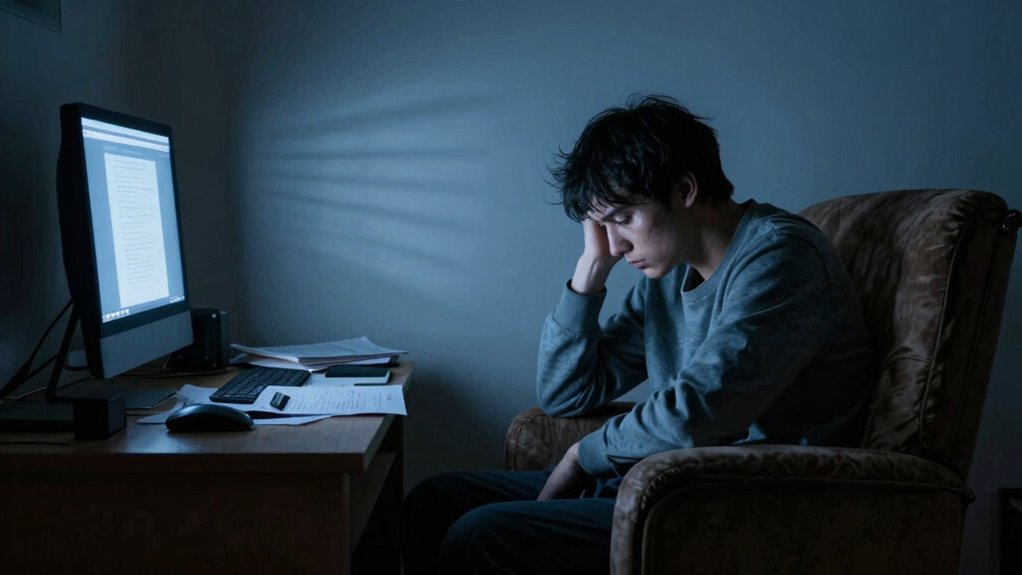

Emotional exhaustion feels different from being tired because it drains your mental and emotional energy rather than just your body. While physical tiredness usually improves after a good night’s sleep, emotional exhaustion persists even after rest. It’s caused by prolonged stress and mental overload, making tasks seem overwhelming and leaving you feeling detached or helpless. If you want to understand why this exhaustion sticks around and how to manage it, there’s more to discover ahead.

Get audio and creator gear delivered free with Prime
- Fast, free delivery on millions of items
- Prime Video, Amazon Music and more included
- Member-only deals all year
Key Takeaways
- Emotional exhaustion persists despite rest, unlike physical tiredness which recovers after sleep.
- It affects mental and emotional states more than physical energy levels.
- Emotional exhaustion results from prolonged stress, not just physical activity.
- Rest alone cannot resolve emotional exhaustion; addressing stressors is necessary.
- Feelings of being drained after sleep indicate emotional exhaustion, not physical fatigue.
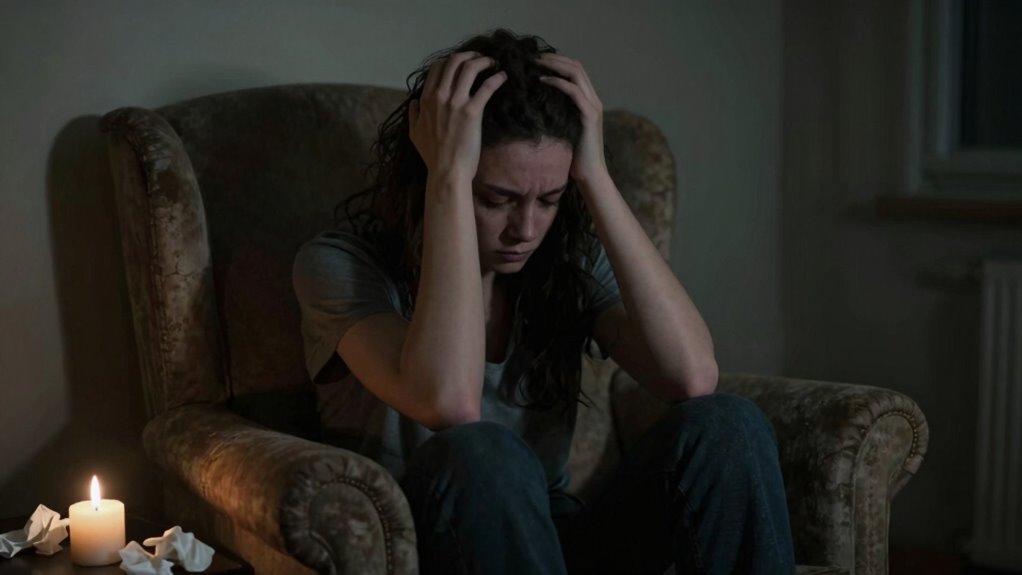
You might think that feeling emotionally drained is just like being tired, but they’re actually quite different. When you’re physically tired, a good night’s sleep often restores your energy, and your body feels ready to go again. Emotional exhaustion, however, digs deeper. It’s not just about needing rest; it’s about feeling overwhelmed on a mental and emotional level. You might find yourself exhausted even after a full night’s sleep, unable to shake the sense of being drained. That’s because emotional exhaustion stems from prolonged stress and mental fatigue, which can’t be cured by rest alone.
Understanding this difference highlights the significance of stress management. When you’re emotionally exhausted, your brain has been working overtime, processing worries, workload, or personal struggles without relief. This kind of fatigue can lead to feelings of helplessness, irritability, or detachment. It’s essential to recognize these signs early because ignoring emotional exhaustion can worsen your mental health. Mental health awareness becomes essential here—acknowledging that emotional well-being requires more than just physical rest. It involves actively addressing the sources of stress, setting boundaries, and finding healthy coping strategies. Recognizing mental fatigue as a distinct challenge can help you develop more targeted approaches to recovery.
Recognize early signs of emotional exhaustion to protect your mental health and address stress effectively.
You may notice that emotional exhaustion affects your motivation and concentration more than physical tiredness does. Tasks that once felt manageable suddenly seem overwhelming, and you might feel like you’re running on empty emotionally. This isn’t just about needing a break; it’s about understanding that your mental reserves are depleted. If you ignore these signals, you risk burnout, which can impact your relationships, work, and overall sense of well-being. To combat this, you need to prioritize stress management techniques—whether that’s mindfulness, talking to someone, or taking time off when necessary. Recognizing the difference between physical and emotional fatigue can help you develop more effective strategies to address your needs holistically. Additionally, understanding how automation and AI solutions influence work environments can help you identify stress triggers and manage workload more effectively.
Recognizing the difference between being tired and emotionally exhausted empowers you to take better care of your mental health. It encourages you to seek support when needed and to implement self-care practices that replenish your emotional reserves. Mental health awareness isn’t just a trend—it’s an essential part of maintaining a balanced, healthy life. When you understand that emotional exhaustion requires more than just sleep, you’re better equipped to address its root causes and prevent it from spiraling further. Developing emotional resilience can help you bounce back more effectively from stress and prevent future exhaustion. Additionally, practicing mindfulness techniques can significantly enhance your ability to process and cope with stress more healthily. Taking proactive steps now helps you regain your emotional strength and resilience, making it easier to navigate life’s challenges with clarity and confidence.
stress relief aromatherapy candles
As an affiliate, we earn on qualifying purchases.
As an affiliate, we earn on qualifying purchases.
Frequently Asked Questions
Can Emotional Exhaustion Occur Without Physical Fatigue?
Yes, emotional exhaustion can occur without physical fatigue. You might feel drained, overwhelmed, or emotionally numb even if your body shows no physical symptoms. This happens because emotional exhaustion impacts your emotional resilience, making it harder to cope with stressors. While your body might feel okay, your mind struggles to handle ongoing emotional demands, leading to a sense of burnout that’s distinct from physical tiredness.
How Long Does Emotional Exhaustion Typically Last?
Emotional exhaustion can last days, weeks, or even months if you don’t actively address it. To help, you should use coping strategies like mindfulness or journaling, and lean on support systems such as friends, family, or a therapist. Recognizing the signs early and taking steps to recharge emotionally can shorten its duration. Remember, prioritizing self-care and seeking help are essential to recover more quickly and maintain your mental health.
Is Emotional Exhaustion Linked to Mental Health Disorders?
Yes, emotional exhaustion can be linked to mental health disorders like depression and anxiety. When you experience ongoing stress, your emotional resilience weakens, making it harder to cope. Effective stress management techniques, such as mindfulness and self-care, can help protect your mental health. Recognizing the signs early allows you to seek support and develop healthier habits, reducing the risk of developing more severe mental health issues.
Can Emotional Exhaustion Be Completely Cured?
You can absolutely conquer emotional exhaustion—think of it as defeating a formidable villain. While complete, permanent cures are rare, building emotional resilience and practicing self-care strategies can drastically reduce its impact. By consistently nurturing your mental health, you regain control and restore your energy. Remember, the journey involves ongoing effort, but with dedication, you can manage and even prevent emotional exhaustion from taking over your life.
How Does Emotional Exhaustion Affect Relationships?
Emotional exhaustion can greatly impact your relationships by causing trust deterioration and communication breakdown. When you’re drained, you might withdraw or become irritable, making it hard to connect or share feelings openly. This strain can lead your partner to feel distant or misunderstood, fueling further stress. Recognizing these signs helps you address emotional exhaustion early, fostering healthier communication and rebuilding trust to strengthen your relationships.
mindfulness meditation app subscription
As an affiliate, we earn on qualifying purchases.
As an affiliate, we earn on qualifying purchases.
Conclusion
Understanding the difference helps you recognize when you’re emotionally drained versus simply tired. Emotional exhaustion can feel overwhelming and persistent, often lasting longer than physical tiredness. Did you know that nearly 60% of adults report feeling emotionally exhausted at some point? If you ignore these signs, it can impact your mental health and relationships. So, listen to your feelings, take breaks, and prioritize self-care—you deserve to feel balanced and energized again.
emotional exhaustion self-care books
As an affiliate, we earn on qualifying purchases.
As an affiliate, we earn on qualifying purchases.
relaxation and stress management tools
As an affiliate, we earn on qualifying purchases.
As an affiliate, we earn on qualifying purchases.
Columbus Day / Indigenous Peoples' Day Picks
long weekend sales
As an affiliate, we earn on qualifying purchases.





![Mike Love Rejoins The Beach Boys On Stage Amid Health Issues [Updated]](https://attunemagazine.com/wp-content/uploads/2026/10/mike-love-rejoins-the-beach-boys-on-stage-amid-health-issues-updated-featured-260x140.jpg)