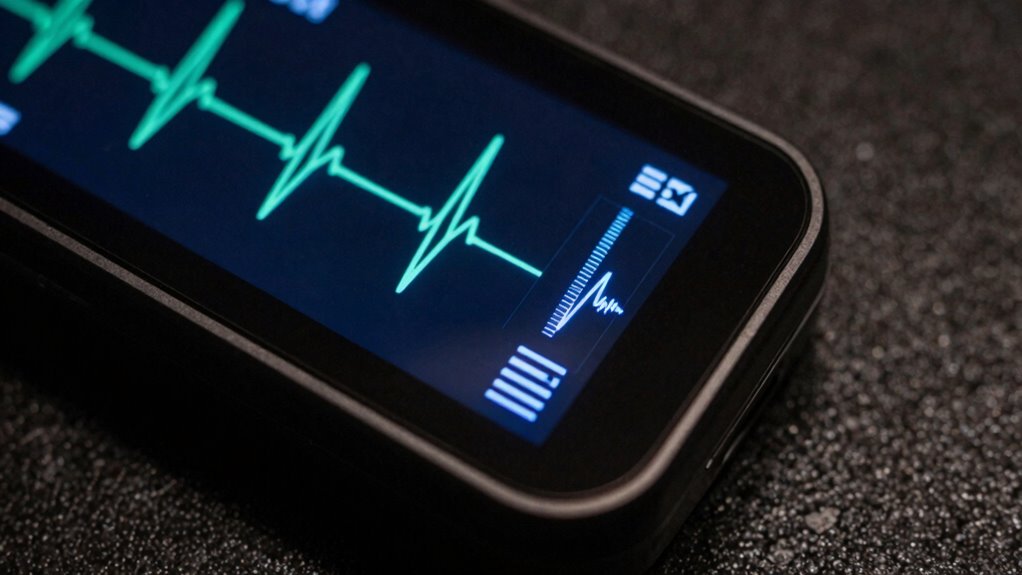

Heart rate variability (HRV) is easy to misunderstand because it reflects many underlying physiological factors and can be influenced by simple things like your breathing, stress, or even the time of day. A single HRV number doesn’t tell the whole story, and measurement conditions can vary, leading to confusing results. If you want to get a clear picture of what HRV really means, understanding its complexity is key, and there’s more to discover if you keep exploring.

Get audio and creator gear delivered free with Prime
- Fast, free delivery on millions of items
- Prime Video, Amazon Music and more included
- Member-only deals all year
Key Takeaways
- HRV is influenced by many physiological factors, making it complex and difficult to interpret accurately.
- Single HRV readings can be misleading without considering measurement conditions and individual variability.
- Higher HRV does not always indicate better health or lower stress levels.
- Variations in measurement tools and protocols can lead to inconsistent or inaccurate data.
- Misunderstanding arises from oversimplifying HRV as a straightforward health indicator.
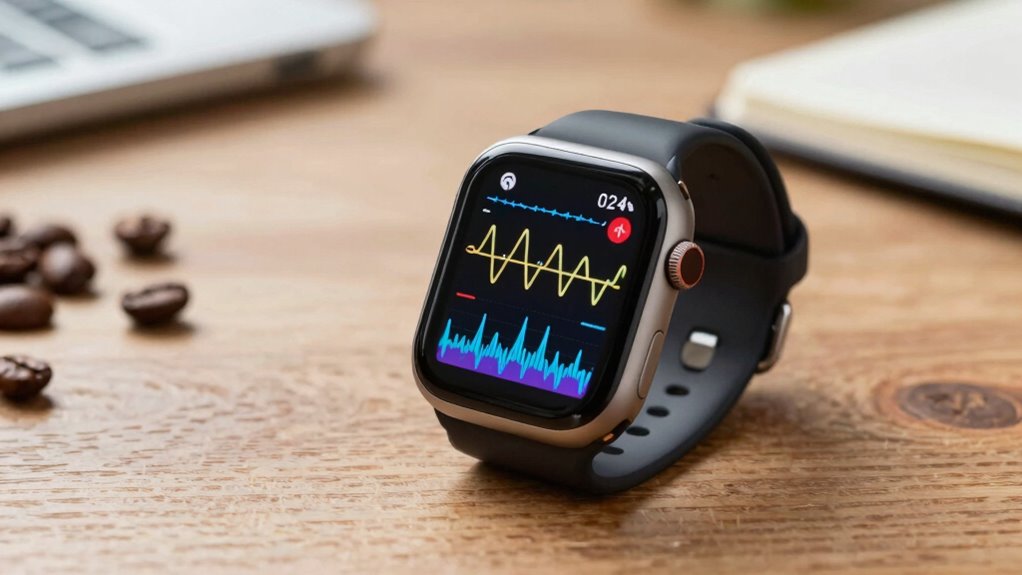
Heart rate variability (HRV) is often misunderstood because it’s a complex measure that reflects multiple aspects of your nervous system’s activity. It’s not as simple as counting heartbeats or looking at a single number. Instead, HRV captures the subtle fluctuations in the time between each heartbeat, which can be influenced by various physiological factors. Because of this complexity, many people struggle with understanding what HRV really indicates about their health. One common misconception is that a higher HRV always means better fitness or lower stress, but that’s an oversimplification. HRV is affected by many variables, including your breathing patterns, fatigue levels, and even time of day. This is why measurement accuracy becomes so crucial in interpreting HRV data. If your device isn’t precise or consistent, the numbers can be misleading, making it seem like your nervous system is more or less active than it truly is. You need reliable tools that can account for physiological variability — the natural fluctuations in your autonomic nervous system’s activity. These variations are normal and healthy, reflecting your body’s ability to adapt to changing circumstances. However, because HRV fluctuates throughout the day, interpreting a single reading can lead to misunderstandings. For example, a low HRV might indicate stress, but it could also be due to poor sleep or dehydration. Conversely, a high HRV isn’t always a sign of complete well-being if other factors aren’t considered. Many people also overlook the importance of consistent measurement conditions. Taking readings at different times or under different circumstances can produce inconsistent results, which further complicates accurate interpretation. This variability isn’t necessarily a problem—it’s a natural part of your physiology—but it does mean you need to understand the physiological variability behind each measurement. To get a clearer picture of your health, you should track HRV over time and look for trends rather than relying on isolated readings. Recognizing the influence of physiological variability helps you avoid jumping to conclusions based on a single snapshot. The key is to use accurate, standardized measurement methods and interpret the data with an understanding of the many factors that can influence HRV. This way, you’ll better grasp what your HRV truly reflects about your nervous system’s activity, rather than falling prey to misconceptions that can distort your understanding of your health status. Additionally, understanding the complexity of HRV can help you make more informed decisions about your health and wellness. Being aware of measurement limitations ensures you interpret your data within the proper context and avoid unnecessary worries. It’s also helpful to recognize that individual differences can affect HRV readings, emphasizing the importance of personalized interpretation.
accurate heart rate variability monitor
As an affiliate, we earn on qualifying purchases.
As an affiliate, we earn on qualifying purchases.
Frequently Asked Questions
How Does HRV Differ From Other Heart Rate Measurements?
Heart Rate Variability (HRV) differs from other heart rate measurements because it focuses on the variation in time between heartbeats, reflecting your heart function’s adaptability. Unlike simple heart rate, which counts beats per minute, HRV uses advanced measurement techniques, such as time-domain and frequency-domain analysis, to gauge your autonomic nervous system‘s activity. This makes HRV a more nuanced indicator of overall health and stress levels.
Can HRV Be Accurately Measured at Home?
Yes, you can accurately measure HRV at home with the right tools and techniques. Using a good-quality heart rate monitor or app, you can track your HRV regularly. To improve accuracy, focus on consistent measurement conditions, like practicing breathing techniques and ensuring good sleep quality. These factors influence your HRV readings, so monitoring under similar circumstances helps you get clearer, actionable insights into your stress and recovery levels.
What Factors Most Influence HRV Variability?
Stress response and autonomic balance most influence HRV variability. When your stress levels spike, your sympathetic nervous system activates, reducing HRV. Conversely, relaxation boosts parasympathetic activity, increasing HRV. Factors like physical fitness, sleep quality, hydration, and even breathing patterns sway your HRV. Recognizing how stress and balance impact your heart’s rhythm helps you understand your body’s signals, empowering you to optimize your health through mindful management of daily stressors.
Is HRV Affected by Medication or Supplements?
Yes, medication impact and supplement effects can influence your HRV. Some medications, like beta-blockers, may lower HRV by affecting your nervous system, while others might have little to no effect. Supplements such as adaptogens or omega-3s can potentially improve HRV by reducing stress or inflammation. Always consult your healthcare provider before starting or stopping medication or supplements, as they can considerably alter your HRV readings.
How Long Should One Measure HRV for Reliable Data?
You should measure HRV for at least five minutes to guarantee reliable data. Imagine capturing a clear snapshot of your body’s stress and recovery states—shorter measurements might miss important fluctuations. Longer sessions, like 10 to 15 minutes, can improve accuracy, especially during daily tracking. Prioritizing proper measurement duration helps you get consistent, trustworthy insights into your health, making your HRV data truly meaningful.
As an affiliate, we earn on qualifying purchases.
Conclusion
So, next time you think you’ve got HRV figured out, remember how tricky it can be. It’s almost ironic—something so simple sounding is actually a puzzle wrapped in complexity. Don’t be surprised if your heart’s signals keep hiding their true meaning. After all, just when you think you understand HRV, it’s likely already testing your patience. Sometimes, the easiest things are the hardest to truly understand.
professional HRV tracking wearable
As an affiliate, we earn on qualifying purchases.
As an affiliate, we earn on qualifying purchases.
As an affiliate, we earn on qualifying purchases.
Fall Picks
fall essentials
As an affiliate, we earn on qualifying purchases.