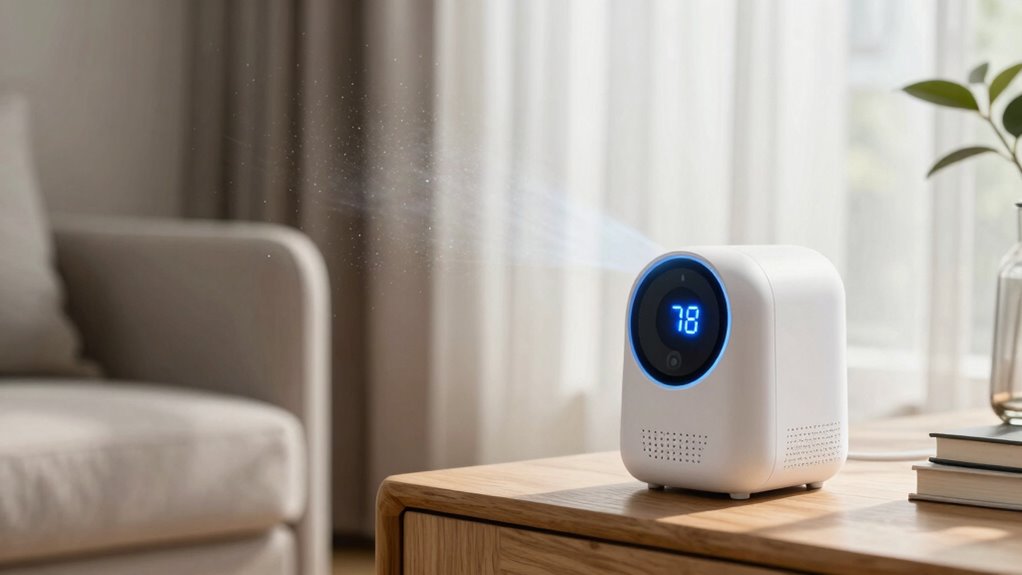

Understanding indoor air quality science is essential because the air you breathe inside can be just as polluted as or even worse than outdoor air. Common pollutants like dust, pet dander, mold, and VOCs can trigger allergies, asthma, or serious health problems if unchecked. Regular cleaning isn’t enough, so using effective filters and controlling sources is key. Staying informed about how pollutants behave helps you protect your health better—if you want to learn more, keep exploring how science can improve your indoor air.

Get audio and creator gear delivered free with Prime
- Fast, free delivery on millions of items
- Prime Video, Amazon Music and more included
- Member-only deals all year
Key Takeaways
- Indoor air can be equally or more polluted than outdoor air, impacting health silently over time.
- Regular cleaning and ventilation are insufficient; effective filtration is essential to reduce indoor pollutants.
- Understanding pollutant sources and behavior enables targeted mitigation and better indoor air quality management.
- Advances in air filtering technology improve removal of allergens, chemicals, and bacteria, enhancing health safety.
- Knowledge of indoor air quality science empowers healthier choices and effective strategies for a safer indoor environment.
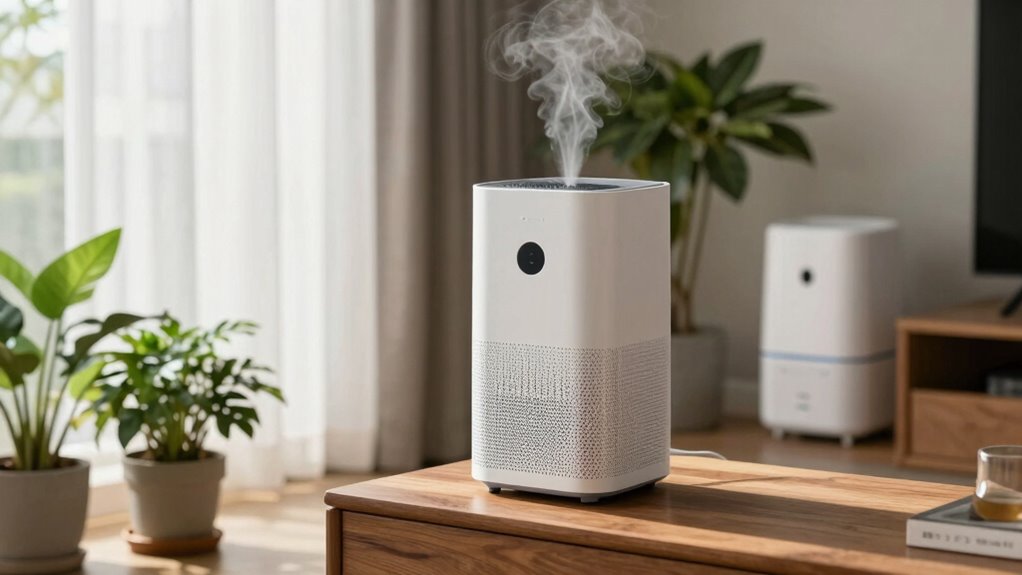
Indoor air quality directly affects your health and comfort, yet many overlook the science behind it. You might not realize it, but the air inside your home can be just as polluted as outdoor air, sometimes even more so. This is where the science of air quality becomes essential. It’s not just about ventilating or opening windows; it’s about understanding how indoor pollutants accumulate and how air filtering plays a pivotal role in keeping your environment safe. Indoor pollutants include dust, pet dander, mold spores, volatile organic compounds (VOCs), and other particles that silently degrade the air you breathe. These contaminants can trigger allergies, asthma, or even more serious health issues if left unchecked. That’s why recognizing the importance of air filtering systems and how they combat indoor pollutants is indispensable for maintaining a healthy living space.
Indoor pollutants like dust, pet dander, and VOCs can harm health; effective air filtering is essential for a safer home.
Many people assume that simply cleaning regularly or airing out the house is enough, but the science shows otherwise. Air filtering devices, such as HEPA filters, are designed to trap tiny particles that standard cleaning might miss. When you use high-efficiency air filters, you actively reduce the presence of indoor pollutants, which helps improve overall air quality. This isn’t just about comfort; it’s about safeguarding your long-term health. Effective air filtering can remove allergens, bacteria, and airborne chemicals, creating a cleaner environment that minimizes health risks. Recognizing air pollutant behavior can help you better understand how these particles interact with your indoor environment and how filtration can address them effectively.
You should also be aware that indoor pollutants don’t always come from obvious sources. Everyday activities like cooking, cleaning, or using personal care products release VOCs and other chemicals into the air. Even building materials and furniture can emit harmful compounds. Without proper air filtering, these pollutants linger and build up, making your indoor air quality worse over time. That’s why understanding the science behind how pollutants behave indoors and how filtering methods work is essential. It empowers you to take control—whether that means investing in better filtration systems or simply being more mindful about source control. Additionally, understanding pollutant behavior can help you choose the most effective filtering solutions for your space. Recognizing indoor pollutant sources allows for more targeted and efficient mitigation strategies. Moreover, staying informed about air quality science advancements can help you make smarter decisions about your indoor environment.
Furthermore, advancements in air quality science continue to improve the efficiency of filtration systems, enabling homeowners to better protect their indoor environments.
In essence, the science of indoor air quality isn’t just technical jargon; it’s a practical tool for protecting yourself and your loved ones. Your health depends on how well you understand and manage indoor pollutants through effective air filtering. By paying attention to these details, you guarantee that your home remains a safe haven, free from invisible threats lurking in the air. Knowledge about indoor air quality isn’t just for scientists; it’s a critical part of everyday life that can make a real difference in your health and comfort.
As an affiliate, we earn on qualifying purchases.
Frequently Asked Questions
How Do Indoor Air Pollutants Compare to Outdoor Levels?
Indoor air pollutants often exceed outdoor levels because of indoor sources like cleaning products, cooking, and smoking. You might not realize how much these sources impact air quality. Unlike outdoor air, indoor environments lack strict air quality standards, making it harder to control pollutants. To protect your health, you need to be aware of indoor pollutant sources and improve ventilation, ensuring your indoor air quality remains safe and healthy.
Can Indoor Plants Significantly Improve Air Quality?
Indoor plants can markedly improve air quality by removing toxins and increasing humidity, offering notable plant benefits. The botanical impact involves absorbing pollutants like formaldehyde and benzene, which helps purify your indoor environment. While plants alone won’t solve all air quality issues, they contribute positively to cleaner, healthier air. You’ll notice fresher air, and their presence also boosts your mood and productivity, making them a valuable addition to your space.
What Are Hidden Sources of Indoor Air Pollution?
Hidden sources of indoor air pollution can sneak up on you, like a wolf in sheep’s clothing. You might not notice chemical emissions from cleaning products or furniture, or poor ventilation strategies that trap pollutants inside. These unseen hazards can affect your health over time. To keep the air clean, increase ventilation, open windows regularly, and choose low-emission products. Staying aware helps you breathe easier at home.
How Often Should Indoor Air Quality Be Tested?
You should test your indoor air quality at least once every three to six months. Regular air quality monitoring helps identify pollutant sources like mold, dust, or VOCs. If you notice symptoms like allergies or respiratory issues, test more frequently. Keeping an eye on pollutant levels guarantees your indoor environment stays safe and healthy. Consistent testing allows you to address problems early and maintain good air quality standards.
Do Air Purifiers Effectively Remove All Indoor Pollutants?
You might think air purifiers eliminate all indoor pollutants, but their effectiveness is limited by air purifier limitations and indoor pollutant sources. They excel at capturing airborne particles like dust and pollen, yet often struggle with gases, VOCs, or odors. Coincidentally, some pollutants originate from sources like cooking or cleaning, which require additional ventilation. So, while helpful, air purifiers aren’t a complete solution for all indoor air quality issues.
As an affiliate, we earn on qualifying purchases.
Conclusion
You might not realize it, but indoor air quality impacts your health every day. Did you know that indoor pollutants can be up to five times higher than outdoor levels? That’s a staggering fact, highlighting why understanding air quality science indoors matters. By taking simple steps to improve your indoor environment, you protect yourself and your loved ones. Don’t wait for symptoms—breathe easier today and make your indoor space a healthier place to be.
As an affiliate, we earn on qualifying purchases.
As an affiliate, we earn on qualifying purchases.
Halloween Picks
halloween
As an affiliate, we earn on qualifying purchases.