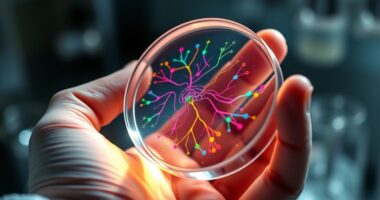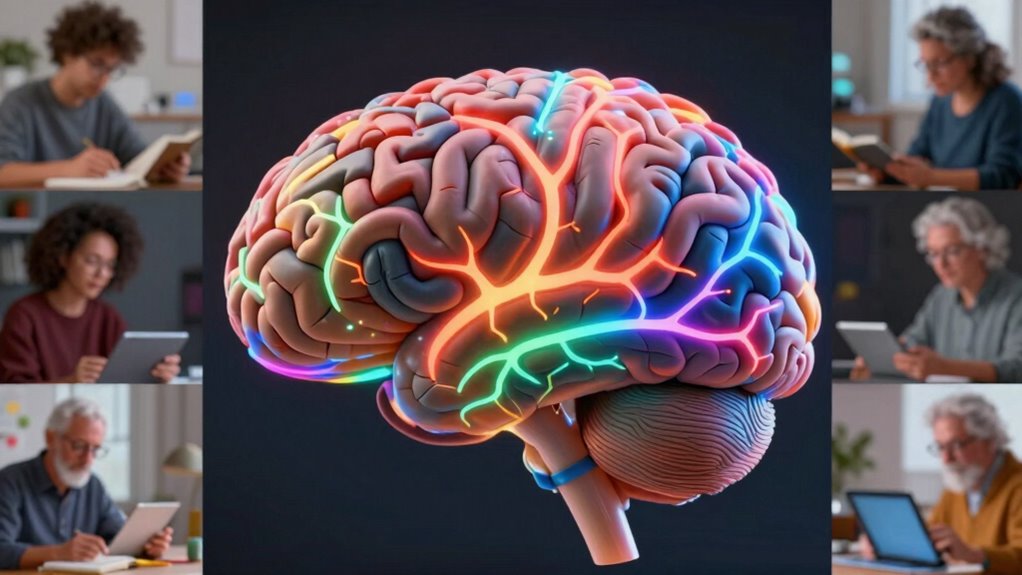

Neuroplasticity allows your brain to reorganize and form new connections at any age, making change possible throughout your life. It helps you learn new skills, recover from injuries, and adapt to new environments. Your brain stays flexible, especially when you challenge yourself and stay persistent. By creating the right environment and mindset, you can continually grow and improve. Stay tuned to discover how understanding neuroplasticity can release your potential at any stage.

Get audio and creator gear delivered free with Prime
- Fast, free delivery on millions of items
- Prime Video, Amazon Music and more included
- Member-only deals all year
Key Takeaways
- Neuroplasticity allows the brain to form new neural connections at any age, facilitating change and learning.
- The brain’s ability to rewire strengthens with effort, making skill acquisition possible regardless of age.
- Neuroplasticity supports recovery from injury by rerouting functions to healthy brain areas.
- Environmental support enhances neuroplasticity, promoting growth and adaptation at any stage of life.
- Understanding neuroplasticity fosters a growth mindset, encouraging continuous development and resilience.
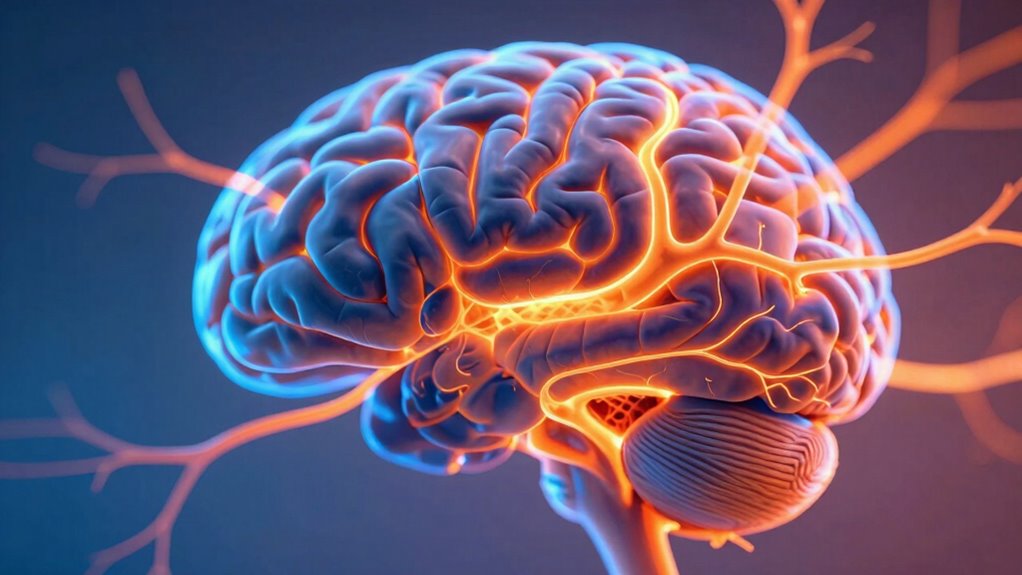
Neuroplasticity refers to the brain’s remarkable ability to reorganize itself by forming new neural connections throughout your life. This process is the foundation of your brain’s flexibility, allowing you to adapt, learn, and recover at any age. It means that your brain isn’t fixed or unchangeable; instead, it’s constantly evolving based on your experiences, efforts, and environment. When you challenge yourself to learn a new skill or break old habits, you’re leveraging this inherent adaptability. Your brain actively rewires itself, creating new pathways that support your growth and change.
This brain flexibility is essential for your learning adaptability. No matter how old you are, your brain can forge new connections that help you acquire new knowledge, master new tasks, or recover from injury. When you practice a new language or a musical instrument, for example, your brain responds by strengthening relevant neural pathways. Over time, this rewiring becomes more efficient, making learning easier and more natural. The capacity for change doesn’t diminish with age; it simply requires your conscious effort and persistence. This means you’re never too old to develop new skills or alter longstanding habits.
Your brain’s ability to adapt also plays a pivotal role in recovery from setbacks like trauma or illness. Neuroplasticity enables your brain to reroute functions from damaged areas to healthy ones, supporting healing and rehabilitation. This resilience is empowering because it underscores your capacity for change, no matter your circumstances. By engaging in targeted activities — like physical therapy, cognitive exercises, or mindfulness practices — you can stimulate neural growth and help your brain reorganize itself more effectively. Recognizing that neuroplasticity can be influenced by environmental factors further highlights the importance of creating a supportive surroundings for growth. This understanding emphasizes the importance of brain plasticity in fostering recovery and adaptation.
Furthermore, understanding neuroplasticity encourages a growth mindset. When you realize that your brain can change, you’re more likely to embrace challenges rather than shy away from them. You become motivated to continue learning and adjusting because you see setbacks as opportunities for growth. You develop a growth mindset, which is fundamental for ongoing development and resilience. This mindset fosters ongoing development, making change not only possible but also sustainable. So, whether you’re picking up a new hobby, recovering from a setback, or simply trying to improve your habits, your brain’s inherent malleability supports your efforts at any age. It reminds you that change is always within reach, provided you continue to nurture your brain’s flexibility and learning adaptability.
neuroplasticity brain training programs
As an affiliate, we earn on qualifying purchases.
As an affiliate, we earn on qualifying purchases.
Frequently Asked Questions
Can Neuroplasticity Help Recover From Brain Injuries?
Yes, neuroplasticity can assist in recovering from brain injuries. You can experience brain rewiring, which helps damaged areas adapt and form new connections. This process boosts your cognitive flexibility, allowing you to regain lost skills and functions. By engaging in targeted therapies and mental exercises, you promote your brain’s ability to reorganize itself, making recovery possible at any age. Your brain’s remarkable adaptability supports your journey toward healing and improved functioning.
How Long Does It Take to See Neuroplasticity Benefits?
You can start noticing neuroplasticity benefits within days to weeks, much like a seed sprouting into a mighty tree. With consistent brain training and sensory stimulation, your brain adapts and rewires faster than you might expect. Regular practice accelerates this process, making improvements visible sooner. Patience and persistence are key, but rest assured, your brain’s incredible ability to change means you’ll see progress sooner than you think.
Are Certain Ages More Receptive to Neuroplasticity?
You’re more receptive to neuroplasticity at certain ages, especially during childhood and young adulthood, when your brain exhibits heightened flexibility. However, due to age-related decline, this plasticity diminishes over time. Still, lifelong learning keeps your brain adaptable, regardless of age. Engaging in new activities, practicing skills, and staying curious can stimulate neuroplasticity throughout your life, making meaningful change possible at any age.
Can Neuroplasticity Improve Mental Health Issues?
Yes, neuroplasticity can improve mental health issues by enhancing your cognitive flexibility and emotional resilience. When you engage in targeted activities like therapy, mindfulness, or learning new skills, your brain rewires itself, strengthening neural pathways associated with positive emotions and adaptive thinking. This adaptability helps you better manage stress, depression, or anxiety, regardless of age. So, with consistent effort, you can foster mental well-being and resilience at any stage of life.
What Activities Best Promote Neuroplasticity?
Think of your brain as a garden; regular brain exercises and mindfulness practices are like watering and tending it. Activities like puzzles, learning new skills, meditation, and deep breathing stimulate neuroplasticity, strengthening neural connections. Studies show consistent engagement in these activities enhances brain flexibility. So, you boost your brain’s adaptability by making these practices part of your daily routine, helping you grow smarter and more resilient at any age.
cognitive exercises for brain health
As an affiliate, we earn on qualifying purchases.
As an affiliate, we earn on qualifying purchases.
Conclusion
Remember, neuroplasticity proves you’re never too old to change. Your brain is always ready to learn, adapt, and grow—no matter your age. With a little effort, you can rewire your mind and embrace new habits or skills. Keep in mind, the ball is in your court; it’s never too late to turn over a new leaf. So, stay curious and open-minded—your brain’s flexibility is your greatest asset.
As an affiliate, we earn on qualifying purchases.
mindfulness meditation for neuroplasticity
As an affiliate, we earn on qualifying purchases.
As an affiliate, we earn on qualifying purchases.
Fall Picks
fall essentials
As an affiliate, we earn on qualifying purchases.