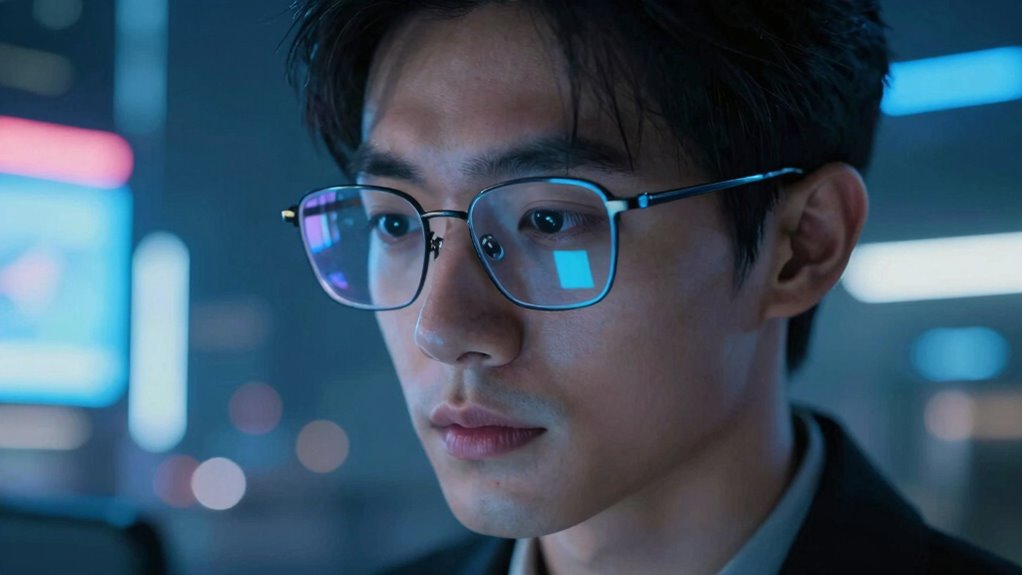
People often oversimplify the blue light debate, assuming it’s the main cause of sleep problems and eye strain. In reality, many factors play a role, like screen time habits, lighting, and personal sensitivity. Blue light can contribute, but it’s not the sole culprit. Focusing only on filters or blocking blue light may not fix the issues. To really improve, you need to contemplate your overall habits and routines; keep exploring for a fuller picture.

Get audio and creator gear delivered free with Prime
- Fast, free delivery on millions of items
- Prime Video, Amazon Music and more included
- Member-only deals all year
Key Takeaways
- Oversimplifying blue light as the sole cause of sleep and eye issues ignores other contributing factors like routines and lighting conditions.
- Blue light filters may reduce discomfort but do not necessarily improve sleep quality, highlighting the complexity of the debate.
- Individual sensitivity and pre-existing habits influence blue light’s impact, making a one-size-fits-all solution ineffective.
- Eye strain results from multiple factors, including glare, focus fatigue, and ergonomics, not just blue light exposure.
- A holistic approach addressing habits, lighting, and routines is essential, rather than relying solely on blue light blocking products.
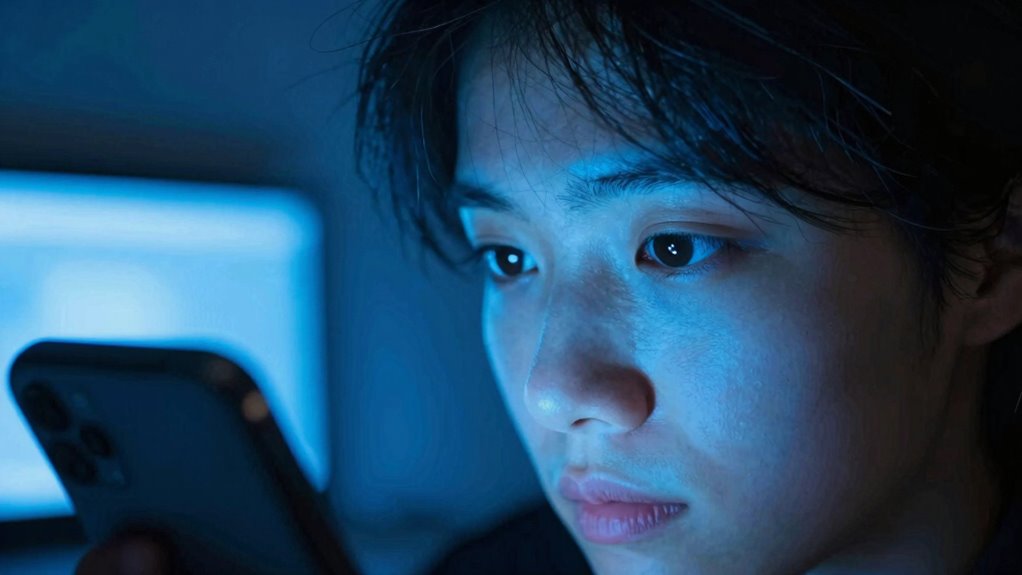
As screens become an unavoidable part of daily life, the debate over blue light’s impact on our eyes and sleep has intensified. Many people hear about blue light and immediately assume it’s the main culprit behind sleep disruption and eye strain. But the truth isn’t that simple. While blue light can contribute to these issues, it’s often oversimplified into a villain that needs blocking at all costs. The reality is more nuanced. For starters, sleep disruption isn’t solely caused by blue light exposure. It’s true that blue light suppresses melatonin, the hormone that helps regulate sleep, but the effect varies widely depending on how much you’re exposed to, the time of day, and your overall sleep habits. If you use screens late at night, you might notice difficulty falling asleep, but that’s not just because of blue light—it’s also because of mental stimulation and the overall disruption of your bedtime routine. Blue light’s effects can also be influenced by individual sensitivity and pre-existing sleep patterns, making it a complex issue rather than a straightforward cause-and-effect situation. Understanding the impact of blue light requires considering various factors that influence sleep quality beyond just light exposure. Recognizing the importance of sleep hygiene can help you develop healthier habits that support better rest, regardless of blue light exposure.
Similarly, eye strain isn’t exclusively linked to blue light. Eye discomfort after long hours of screen time often results from focusing fatigue, poor lighting, or inadequate breaks, rather than blue light alone. People tend to think that blue light is the primary cause of eye strain because it’s emitted in high amounts by screens, but research shows that other factors—like screen glare, screen size, and viewing distance—play significant roles. Focusing on blue light reduction without addressing these aspects can lead you to believe that blocking blue light is a magic fix, but it’s only part of the picture. Understanding screen ergonomics can be just as important as blue light filtering in reducing eye discomfort.
Many products claim to shield you from blue light, but their effectiveness isn’t guaranteed. Some studies suggest that blue light filters can reduce eye discomfort, but they don’t necessarily improve sleep quality. Plus, over-relying on such filters might cause you to ignore better sleep hygiene practices, like limiting screen time before bed or establishing a consistent sleep schedule. It’s tempting to think that a simple pair of glasses or screen filter will solve your sleep and eye issues, but that’s an oversimplification. You need a holistic approach that considers overall screen habits, lighting conditions, and sleep routines.
In the end, the blue light debate is about understanding the complexity behind these common problems. It’s not just about blocking blue light but about managing your screen time smartly, creating healthy habits, and recognizing that the impact varies from person to person. Oversimplifying the issue might give you a quick fix, but lasting solutions require a deeper understanding of how your eyes and sleep are affected by your digital lifestyle.
blue light blocking glasses for eye strain
As an affiliate, we earn on qualifying purchases.
As an affiliate, we earn on qualifying purchases.
Frequently Asked Questions
How Does Blue Light Affect Children Differently Than Adults?
You might notice blue light affects children’s vision and sleep more than adults. Their developing eyes are more sensitive to blue light, which can cause more strain and potential damage to their child vision over time. Additionally, blue light exposure before bedtime disrupts sleep patterns more in children, making it harder for them to fall asleep and get quality rest. So, limiting blue light exposure is especially important for kids.
Are There Specific Blue Light Wavelengths More Harmful Than Others?
Yes, certain blue light wavelengths are more harmful than others, especially those around 415-455 nanometers. Wavelength intensity matters because higher intensities can cause more damage, and exposure timing is essential—prolonged exposure during evening hours can disrupt sleep and harm your eyes. To protect yourself, limit exposure to high-intensity blue light, especially before bed, and consider using filters or glasses designed to block the most harmful wavelengths.
What Are the Long-Term Effects of Blue Light Exposure?
Imagine you’re a modern-day knight battling screen fatigue and sleep disruption. Long-term blue light exposure can damage your retinas, increase the risk of age-related macular degeneration, and mess with your circadian rhythm. Over time, you might experience persistent sleep issues, decreased eye comfort, and even mental health effects like anxiety. Protect your eyes by limiting screen time before bed and using blue light filters, so you don’t become a casualty of today’s digital age.
Can Blue Light Exposure Impact Mental Health?
Yes, blue light exposure can impact your mental health by causing circadian disruption and melatonin suppression. When you’re exposed to blue light, especially at night, it can interfere with your sleep patterns, leading to poor sleep quality. This disruption affects mood and cognitive function, increasing risks of anxiety and depression. To protect your mental health, limit screen time before bed and use blue light filters or glasses when necessary.
Are Blue Light Filters Effective in Reducing Health Risks?
Blue light filters can be effective in reducing health risks, especially if you spend over 4 hours daily on screens. Studies show they may help lessen sleep disruption caused by screen time, which can improve overall well-being. While filters aren’t foolproof, using them can mitigate blue light’s impact on your sleep cycle and eye strain, making your screen time safer and more comfortable.
blue light filter screen protector
As an affiliate, we earn on qualifying purchases.
As an affiliate, we earn on qualifying purchases.
Conclusion
So, maybe it’s no coincidence that after all the fuss, we’re still glued to our screens, chasing that blue glow. The debate oversimplifies things, but the truth is, you hold the power to manage your exposure. By making small adjustments, you might just find a better balance without overthinking every pixel. After all, isn’t it interesting how life often teaches us what we need, just when we least expect it?
ergonomic desk lamp for eye comfort
As an affiliate, we earn on qualifying purchases.
As an affiliate, we earn on qualifying purchases.
blue light and glare reducing monitor
As an affiliate, we earn on qualifying purchases.
As an affiliate, we earn on qualifying purchases.
Halloween Picks
halloween
As an affiliate, we earn on qualifying purchases.