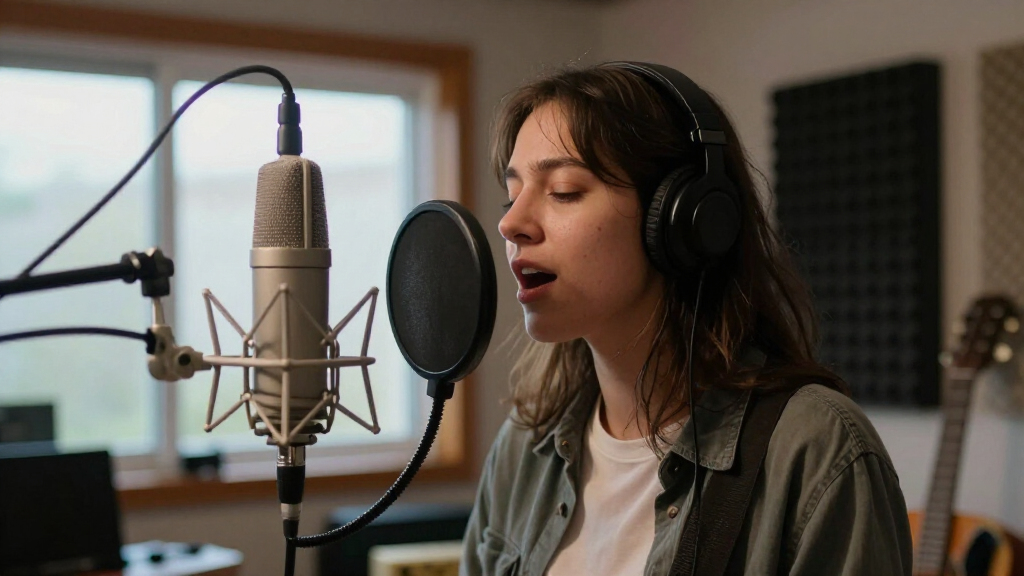

Choosing the right studio recording microphone can significantly impact your sound quality, whether you’re recording vocals, instruments, or streaming content. The best options balance clarity, noise rejection, build quality, and versatility. The Audio-Technica AT2020 stands out as a reliable all-rounder, offering professional sound at an accessible price. For those seeking exceptional warmth, the RØDE NT1 provides a smooth, detailed tone, while the Focusrite Scarlett Solo excels for beginner home studios with its easy interface. However, tradeoffs often involve balancing budget against features like connectivity, durability, and sound profile. Continue reading for a detailed breakdown of these options to find the best fit for your recording needs.

Get audio and creator gear delivered free with Prime
- Fast, free delivery on millions of items
- Prime Video, Amazon Music and more included
- Member-only deals all year
Complete the kit

Key Takeaways
- The most versatile microphones combine USB ease with XLR upgrade options, accommodating different user setups.
- Top picks for vocals often feature condenser capsules with warm, detailed sound, but may be more sensitive to background noise.
- Build quality and durability are key for long-term use, especially for mobile or semi-professional setups.
- Price disparities often reflect feature sets like multiple pickup patterns, built-in effects, or bundled accessories.
- Choosing between USB and XLR interfaces impacts flexibility, with XLR generally offering superior sound quality and expandability.


More Details on Our Top Picks
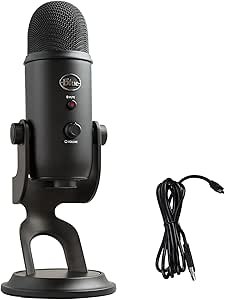
Logitech Blue Yeti USB Microphone for PC, Mac, Gaming, Recording, Streaming, Podcasting, Studio and Computer Condenser Mic with Blue VO!CE Effects, 4 Pickup Patterns, Plug and Play – Blackout
The Blue Yeti stands out for its incredible versatility, offering four distinct pickup patterns—cardioid, omnidirectional, bidirectional, and stereo—that adapt easily to podcasting, streaming, or music recording. Compared to the MAONO AU-A04H, which also excels in high-resolution audio, the Blue Yeti’s multiple patterns give it an edge in multi-purpose use. Its onboard Blue VO!CE effects transform basic recordings into professional-sounding content without additional gear, but this feature requires Logitech G HUB software, which can be a hassle for some users. Its plug-and-play USB connection makes setup straightforward, though it’s bulkier, taking up desk space. This pick is ideal for content creators who need flexibility and quick setup but are okay with limited XLR connectivity.
Pros:- Four pickup patterns for varied recording needs
- Built-in Blue VO!CE effects for enhanced sound
- Easy plug-and-play setup
Cons:- Requires Logitech G HUB software for full features
- Bulkier desktop stand limits space
Best for: Content creators, streamers, and podcasters who want a versatile, all-in-one microphone with built-in effects.
Not ideal for: Professional musicians or engineers seeking true studio-grade XLR sound and expandability.
- Pickup Patterns:Cardioid, Omnidirectional, Bidirectional, Stereo
- Connectivity:USB
- Software:Blue VO!CE
- Controls:Headphone volume, pattern selection, mute, mic gain
- Stand:Adjustable desktop stand
- Compatibility:PC, Mac
- Color:Blackout
Our verdict“This microphone suits content creators needing flexible, high-quality sound with minimal setup, but it’s less ideal for professional XLR-based studios.”
Focusrite Scarlett Solo 4th Gen USB-C Audio Interface Bundle
The Focusrite Scarlett Solo 4th Gen offers a complete package for musicians and songwriters who want studio-grade sound without complex setups. Unlike the RØDE NT1, which excels in ultra-low noise for vocals, the Scarlett bundle provides a versatile interface with a high-quality microphone and software to handle recording, mixing, and mastering. While the included CM25 MkIII microphone and SH-450 headphones are entry-level, they deliver respectable quality for beginners and intermediate users. The interface’s 120dB dynamic range ensures clear, detailed recordings, but it may fall short for advanced multi-track sessions that demand higher channel counts. This bundle is perfect for those starting out or producing demos at home.
Pros:- High dynamic range for clear recordings
- Includes recording software and plugins
- USB-C connectivity simplifies setup
Cons:- Limited to basic recording needs
- Entry-level mic and headphones may need upgrades for professional work
Best for: Beginners, home studio musicians, and songwriters looking for a comprehensive, easy-to-use recording setup.
Not ideal for: Advanced producers needing multiple channels or professional-level hardware for complex projects.
- Dynamic Range:120dB
- Connectivity:USB-C
- Included Software:Pro Tools Intro+, Ableton Live Lite, Cubase LE
- Microphone:CM25 MkIII
- Headphones:SH-450
- Type:Audio Interface
Our verdict“An excellent starter kit for musicians and songwriters who want quality and simplicity at an affordable price, but it may not suit complex recording needs.”
RØDE NT1 Signature Series Studio Condenser Microphone, Black
The RØDE NT1 Signature is a flagship condenser microphone designed for pristine vocal recordings and streaming. Its ultra-low self-noise makes it stand apart from many budget options like the MAONO AU-A04H, capturing every nuance of vocals with exceptional clarity. Unlike USB-based mics, it requires an external interface, adding complexity but providing superior audio quality. Its included shock mount, pop filter, and dust cover make it ready for professional studio environments, though proper placement is crucial to avoid ambient noise interference. This microphone is best for serious vocalists and streamers who want studio-level sound and are willing to invest in additional equipment.
Pros:- Ultra-low self-noise for pristine recordings
- Complete vocal recording package included
- Ideal for studio-quality sound
Cons:- Requires separate audio interface for recording
- Sensitive to ambient noise if not properly positioned
Best for: Professional vocalists, streaming professionals, and studio engineers seeking ultra-low noise and high-fidelity recordings.
Not ideal for: Beginners or those seeking portable, all-in-one USB solutions, as it requires an external interface and setup.
- Type:Condenser Microphone
- Color:Black
- Includes:Shock mount, pop filter, XLR cable, dust cover
- Pattern:Cardioid
- Self-noise:Among the lowest ever made
Our verdict“This microphone is perfect for professionals and serious hobbyists aiming for studio-grade vocal recordings, provided they have or are willing to acquire an interface.”
MAONO AU-A04H USB Microphone Kit with Headphones for PC, Podcast & Gaming
The MAONO AU-A04H offers a compelling package for gamers, streamers, and podcasters who prioritize high-resolution audio. Its 192kHz/24Bit chipset outperforms many basic USB mics, delivering crisp, detailed sound. Unlike the Focusrite Scarlett Solo, which focuses on studio recording, this kit emphasizes live audio quality and monitoring, thanks to the included 50mm headphones with deep bass and noise reduction. Its plug-and-play design and wide device compatibility make it accessible for beginners. However, its weight at 1.5 kg and lack of adjustable gain controls could hinder portability and fine-tuning. This kit makes sense for users who want high-res audio in a simple, durable package for streaming and gaming.
Pros:- High-resolution 192kHz/24Bit audio quality
- Includes noise-reduction headphones
- Plug-and-play with broad device compatibility
Cons:- Heavy weight reduces portability
- Limited gain adjustment options
Best for: Streamers, gamers, and voice-over artists needing high-resolution audio with monitoring capabilities in a ready-to-use kit.
Not ideal for: Professional music producers or engineers requiring multiple channels and extensive control for multi-track recording.
- Sampling Rate:192kHz/24Bit
- Frequency Response:30Hz-16kHz
- Polar Pattern:Unidirectional
- Connectivity:USB, USB Type-C
- Microphone Type:Condenser
- Headphone Drivers:50mm
- Cable Length:9.8 ft
Our verdict“This kit offers excellent high-res audio and monitoring for streamers and gamers who want simplicity, but it’s less suited for complex studio work.”
MAONO PD200W Hybrid Wireless Podcast Microphone for PC, Dynamic XLR USB Mic
The MAONO PD200W delivers unmatched versatility with its hybrid wireless, USB, and XLR connections, making it ideal for dynamic podcast setups and live interviews. Compared to the Logitech Blue Yeti, which is primarily USB, the PD200W’s wireless range of up to 60 meters and long battery life of 60 hours provide freedom of movement and flexibility. Its dynamic capsule and noise cancellation improve clarity in noisy environments, but setup can be more complex, requiring multiple components like the receiver and adapters. It also lacks camera or lighting accessories, which might matter for streamers. If you want a professional, adaptable microphone that can operate both wirelessly and wired, this model makes a compelling choice.
Pros:- Wireless range up to 60 meters with long battery life
- Hybrid connectivity offers maximum flexibility
- Dynamic microphone with noise cancellation
Cons:- Setup involves multiple components and accessories
- Camera and lighting accessories are sold separately
Best for: Podcasters and streamers who need wireless mobility and the option for dual-mic use in solo or duo recordings.
Not ideal for: Users seeking a simple plug-and-play USB mic or those with limited technical setup experience, due to its multi-component system.
- Connectivity:Wireless, USB, XLR
- Microphone Type:Dynamic
- Pickup Pattern:Cardioid
- Signal-to-Noise Ratio:82dB
- Maximum SPL:128dB
- Battery Life:Up to 60 hours
Our verdict“For podcasters and streamers needing wireless freedom and professional sound, this microphone offers unmatched versatility, though setup complexity is a consideration.”
MAONO A04 USB Microphone, 192kHz/24Bit Condenser Mic Kit for PC Podcast
The MAONO A04 stands out for delivering professional-quality audio in a user-friendly USB format, making it ideal for podcasters and streamers who want high-resolution sound without complex setup. Its 192kHz/24Bit sampling ensures crisp, detailed recordings, comparable to more expensive XLR options like the Maono PM320S, but with the convenience of plug-and-play USB connectivity. However, this ease of use comes with the tradeoff of limited device compatibility—it’s incompatible with Xbox and requires an external stand for optimal positioning. The included accessories such as a pop filter, shock mount, and boom arm make it a comprehensive starter kit, but may feel overwhelming for users seeking a simple setup. Overall, this mic suits those prioritizing high-quality digital audio with minimal fuss, especially for PC-based content creation.
Pros:- High-resolution 192kHz/24Bit audio quality essential for professional-sounding recordings
- Plug-and-play USB connectivity compatible with multiple devices
- Includes comprehensive accessories like pop filter, shock mount, and boom arm
Cons:- Incompatible with Xbox consoles, limiting gaming use
- Requires an external stand or arm for best positioning, adding setup complexity
Best for: Home podcasters and streamers seeking high-resolution audio with a straightforward setup
Not ideal for: Gamers or users needing compatibility with gaming consoles like Xbox, due to device limitations
- Sampling Rate:192kHz/24Bit
- Connection Type:USB, USB Type-C
- Polar Pattern:Cardioid
- Microphone Capsule:16mm
- Compatibility:PC, Mac, PS4, PS5, Mobile
- Power Source:USB
- Frequency Response:16 KHz
Our verdict“This microphone is perfect for digital content creators prioritizing high-quality audio with simple, direct USB connection.”
Maono PM320S Condenser PC Microphone with XLR Cable, Boom Arm, Pop Filter
The Maono PM320S is designed for professional studio recordings, offering a step up from basic USB mics like the FIFINE T669. Its large 16mm condenser capsule and cardioid pattern deliver clear, detailed sound with excellent noise rejection, especially suited for music, voice-over, and streaming. Compared to the Mackie EM-91C, this model provides a more comprehensive package with a boom arm, shock mount, and XLR cable, making it a better choice for users who want a full studio setup. The need for phantom power (48V) can be a hurdle for some, and XLR connections limit use with simple computers lacking an interface. Still, for those seeking studio-grade audio quality and a complete kit, this mic offers a balanced mix of durability and performance.
Pros:- Studio-grade sound quality with a large condenser capsule and cardioid pattern
- Includes essential accessories for a full recording setup
- All-metal construction for durability
Cons:- Requires 48V phantom power, not compatible with all devices
- XLR connection limits use to systems with audio interfaces
Best for: Intermediate to advanced creators needing a professional XLR setup for music or high-fidelity voice work
Not ideal for: Beginners or those with basic computer setups who lack an audio interface, due to phantom power requirements
- Frequency Response:20 Hz to 20 kHz
- Polar Pattern:Cardioid
- Sensitivity:82 dB
- Impedance:200 ohm
- Included Accessories:Boom arm, shock mount, pop filter, XLR cable
- Power Source:48V phantom power
Our verdict“This microphone is a top choice for serious creators seeking professional XLR audio with a comprehensive studio package.”
Mackie EM-Series Large-Diaphragm Condenser Microphone (EM-91C)
The Mackie EM-91C offers an affordable entry into professional studio recording with a focus on reliability and simplicity. Its cardioid polar pattern and rugged build make it well-suited for home studios and beginner setups, providing a clear, warm sound comparable to the FIFINE T669. Unlike higher-end models with multiple polar patterns, this mic sticks to a single mode, which is adequate for most vocal and instrument recordings but less flexible. It lacks some advanced features like switchable patterns or onboard controls, and its sensitivity could pick up ambient noise in untreated rooms. Still, for those starting out or on a tight budget, this mic balances price and performance effectively.
Pros:- Affordable price with quality sound suitable for various studio tasks
- Includes essential accessories like shock mount and XLR cable
- Durable metal construction for long-term use
Cons:- Limited to cardioid polar pattern, reducing versatility
- Potential sensitivity to room noise without proper treatment
Best for: Beginners and home studio owners looking for a cost-effective, reliable condenser microphone
Not ideal for: Professional producers needing multiple polar patterns or advanced features for complex recording scenarios
- Type:Condenser
- Polar Pattern:Cardioid
- Included:Shock mount, XLR cable
Our verdict“This mic is ideal for newcomers requiring a dependable condenser for basic studio recording without breaking the bank.”
Upgraded Studio Recording Microphone with Isolation Shield & Pop Filter for Podcasting and Music
This USB condenser microphone caters to content creators who want high-quality audio combined with noise control features. Its 192kHz/24Bit sampling rivals more expensive models like the MAONO A04, but with added benefits of an adjustable, foldable isolation shield and comprehensive accessories. The shield helps reduce room noise and echoes, making it suitable for home studios where environment control is limited. While the array of accessories and noise reduction features make setup more complex and bulky, they provide a significant advantage for vocal clarity. However, the all-USB design limits connection options, and the bulkier setup might be inconvenient for portable or space-constrained environments.
Pros:- High-quality sound with 192kHz/24Bit resolution
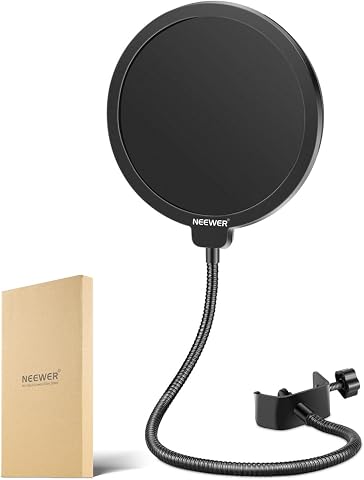
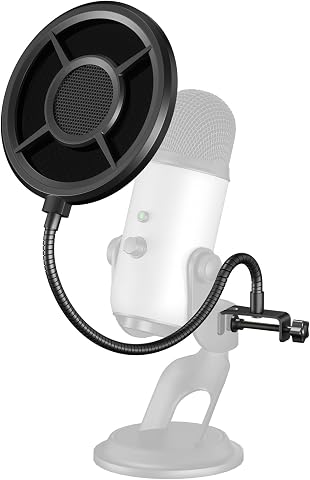
- Includes noise-reducing accessories like an isolation shield and pop filter
- Adjustable, foldable shield for flexible positioning
Cons:- Bulky setup may be difficult to transport or position in tight spaces
- Limited to USB connection, restricting professional integration
Best for: Podcasters and singers working in less-than-ideal acoustic environments who need noise isolation
Not ideal for: Users requiring XLR connectivity or portable, minimal setups, due to bulk and USB-only design
- Sampling Rate:192kHz/24Bit
- Frequency Response:30Hz‑16kHz
- Included Accessories:Isolation shield, pop filter, shockproof filter
- Connection Type:USB
Our verdict“This mic suits those who need a complete noise-reduction package for high-quality home recordings and podcasts.”
FIFINE T669 Studio Condenser USB Microphone for Recording and Podcasting
The FIFINE T669 offers a straightforward, budget-conscious solution for home recording and streaming. Its cardioid capsule captures vocals clearly, and the included adjustable arm stand and double pop filter enhance usability. Compared with the MAONO A04, it is simpler and more accessible for beginners who want decent sound quality without additional accessories or complex setup. While its plug-and-play USB connection simplifies operation, it also limits flexibility—it’s incompatible with consoles like Xbox and may pick up ambient noise if not carefully positioned. This model provides a reliable starting point for content creators who prioritize ease of use over extensive features.
Pros:- Simple plug-and-play USB connection for quick setup
- Decent sound quality with included pop filter and adjustable arm
- Good build quality at an affordable price
Cons:- Incompatible with Xbox and certain other gaming consoles
- May pick up background noise if not properly positioned
Best for: Beginners and hobbyists seeking an easy-to-use, affordable USB mic for podcasting or streaming
Not ideal for: Advanced users or professionals needing XLR options or multi-pattern capabilities
- Connection Type:USB
- Frequency Response:Wide
- Included Accessories:Boom arm, shock mount, double pop filter
Our verdict“This microphone is well-suited for casual creators starting out or working within a tight budget who need easy setup and decent sound.”
MAONO A04 Gen2 XLR/USB Condenser Microphone Kit for PC and Podcast Recording
The MAONO A04 Gen2 stands out for its dual XLR and USB compatibility, offering flexibility that surpasses simpler USB-only mics like the FIFINE T669. This design makes it ideal for users who want to upgrade from basic setups or switch between podcasting and professional studio recording without changing equipment. Its high-resolution audio at 192kHz/24bit provides clear, detailed sound, rivaling dedicated studio mics like the Audio-Technica AT2020. However, the lack of an included XLR cable and the need for phantom power for XLR use are notable hurdles. Compared to the Maono PM320S, it offers broader connectivity options but at the cost of complexity and additional accessories.
bestFor: Content creators seeking a flexible, professional-grade microphone with both USB and XLR options.
notIdealFor: Beginners who want a simple plug-and-play solution or users without phantom power sources.
- Versatile dual connectivity for multiple setups
- High-quality sound at 192kHz/24bit
- Includes comprehensive accessories for optimal use
- Adjustable controls for custom sound shaping
- XLR cable not included, adding extra cost
- Requires phantom power for XLR, limiting portability
Verdict: This mic is perfect for users who need flexibility and professional sound quality but are prepared for some setup complexity.
- Connectivity: XLR and USB
- Sampling Rate: 192kHz/24bit
- Frequency Response: 30Hz-16kHz
- Polar Pattern: Cardioid
- Included Accessories: Pop filter, shock mount, arm stand
- Compatibility: Laptop, PC, audio interface, PS4/PS5, mobile phones
Pros:- Dual XLR and USB connectivity for maximum versatility
- High-resolution audio quality suitable for professional use
- Includes comprehensive accessories for easy setup
- Adjustable software controls for tailored sound
Cons:- XLR cable not included, requiring an extra purchase
- Requires phantom power for XLR connection, limiting mobility
Best for: Content creators and podcasters who want a flexible microphone for multiple recording environments.
Not ideal for: Beginners seeking a straightforward, plug-and-play USB microphone without additional setup requirements.
Our verdict“This microphone makes the most sense for experienced users who need adaptable connections and high-quality sound.”
The ZealSound K66 excels at delivering studio-quality sound with a straightforward USB plug-in, making it a top choice for streamers and podcasters who prioritize ease of use. Its noise cancellation and real-time monitoring capabilities set it apart from basic USB mics like the FIFINE T669, providing cleaner audio even in noisy environments. The physical controls for gain, volume, echo, and mute facilitate quick adjustments during live sessions, a feature that makes it more adaptable than simpler models. However, the multitude of features introduces a learning curve, and its built-in capabilities may be limiting for advanced editing needs. Compared to the Blue Yeti, it offers better noise control but fewer pattern options.
bestFor: Streamers, YouTubers, and podcasters who want high-quality sound with minimal setup hassle.
notIdealFor: Audio engineers or users requiring extensive editing features or rugged design for travel.
- Studio-quality sound with noise reduction features
- Real-time monitoring for accurate feedback
- Wide device compatibility including mobile platforms
- Intuitive physical controls for quick adjustments
- Complex controls may need some learning to optimize use
- Limited advanced audio editing features
- No weather or rugged build for outdoor use
Verdict: This mic is well-suited for content creators who want great sound with simple, immediate controls for streaming or casual recording.
- Frequency Response: 40Hz–18kHz
- Sampling Rate: 46kHz
- Sensitivity: –45dB ±3dB
- Connectivity: USB-C, Lightning adapters included
- Features: Noise reduction, monitoring, echo control, mute
- Device Compatibility: Windows, Mac, iPhone, iPad, Android, PS4, PS5
Pros:- High-quality studio sound with integrated noise cancellation
- Easy-to-use physical controls for quick adjustments
- Compatible with a broad range of devices including mobile platforms
- Real-time monitoring ensures accurate audio feedback
Cons:- Features may require some learning curve to master
- Limited advanced editing options built-in
Best for: Content creators and streamers who prioritize ease of use and noise-free recording without complex setup.
Not ideal for: Professional audio editors or travelers needing a rugged, portable microphone with advanced features.
Our verdict“This microphone is a strong pick for streamers and casual content creators who want professional sound without hassle.”
Audio-Technica AT2020 Cardioid Condenser Studio XLR Microphone, Black
The Audio-Technica AT2020 offers a level of audio clarity that appeals to serious home studio users and professionals. Its extended frequency response and high SPL handling make it suitable for vocals, instruments, and complex sound sources, outperforming many budget mics like the Maono PM320S. Its durable metal construction promises longevity, but the need for phantom power can be a hurdle for those with basic audio interfaces lacking it. Unlike the MAONO A04 Gen2, it lacks included accessories, requiring additional purchases for a complete setup. The mic’s sensitivity to handling noise can also be a concern in less controlled environments.
bestFor: Professional home studio users and musicians demanding high fidelity and durability.
notIdealFor: Beginners or casual users who prefer a plug-and-play USB solution or don’t have phantom power available.
- Exceptional sound quality with extended frequency response
- High SPL handling suitable for diverse sources
- Robust metal construction ensures durability
- Excellent noise isolation due to cardioid pattern
- Requires phantom power, which may limit compatibility
- No included accessories like shock mount or stand
- Handling noise sensitivity in less controlled environments
Verdict: Ideal for dedicated musicians and home studio setups where professional-grade sound and durability are priorities.
- Connectivity Technology: Wired
- Connector Type: XLR
- Frequency Response: 20Hz–20kHz
- Polar Pattern: Cardioid
- Impedance: 200 ohms
- Power Source: Phantom Power
Our verdict“Best for Professional-Grade Studio Recording — a strong pick in this lineup.”

How We Picked
These microphones were evaluated based on a combination of sound quality, ease of use, build durability, versatility, and value for money. I prioritized models that serve different user needs—from beginners to semi-professionals—ensuring a broad spectrum of options. Each product’s performance was compared in typical studio scenarios, considering factors like noise rejection, frequency response, and connectivity options. The ranking reflects a balance between professional-grade features and affordability, with a focus on real-world usability rather than technical specs alone.Factors to Consider When Choosing Studio Recording Microphones
When selecting a studio recording microphone, it’s important to consider several key factors. Your choice should align with your recording environment, intended use, and future expandability. Understanding these factors can help you avoid common pitfalls, such as overpaying for features you don’t need or choosing a mic that doesn’t suit your voice or instrument. The following sections highlight the most critical considerations to keep in mind.Type of Microphone: Condenser Versus Dynamic
Condenser microphones are generally preferred in studio settings because they capture a wide frequency range and delicate nuances, making them ideal for vocals and detailed instrument recordings. Dynamic microphones, on the other hand, tend to be more durable and less sensitive to background noise, which can be advantageous in untreated rooms or for loud sources. Selecting the right type depends on your environment and recording goals—condenser mics usually require a controlled space, while dynamic mics are more forgiving in less ideal conditions.
Connectivity: USB Versus XLR
USB microphones offer plug-and-play simplicity, making them perfect for beginners or those with limited space. They integrate directly with computers, reducing setup complexity and cost. XLR microphones, however, demand an audio interface but provide superior sound quality, more control options, and future-proofing for expanding studio setups. Your decision here hinges on whether you prioritize convenience or audio fidelity and upgrade potential.
Pickup Pattern and Directionality
The pattern a microphone picks up sound from influences how well it isolates your voice or instrument. Cardioid patterns are the most common for vocals, focusing on sound directly in front while rejecting background noise. Omnidirectional mics capture sound from all directions, which can be useful in group recordings but are more prone to ambient noise. Multi-pattern microphones offer flexibility, allowing you to switch between patterns based on your recording environment and needs.
Frequency Response and Sensitivity
A microphone’s frequency response determines how accurately it reproduces different sounds. For vocals, a response that emphasizes midrange frequencies with a smooth high end can add warmth and clarity. Sensitivity affects how well the mic captures quiet sounds; highly sensitive models pick up subtle nuances but may also record unwanted background noise. Balancing these factors ensures your recordings sound natural and free from unwanted noise or coloration.
Additional Features and Accessories
Features like built-in shock mounts, pop filters, and adjustable gain help improve recording quality and ease of use. Bundled accessories can also add value, especially for beginners, by providing everything needed to start recording right away. Be cautious of overly complex features that may not be necessary for your setup, as they can complicate operation or inflate the price without tangible benefits.
Frequently Asked Questions
Should I choose a USB or XLR microphone for my home studio?
If you’re starting out or want a simple, space-saving setup, a USB microphone provides plug-and-play convenience and decent quality. However, for higher sound fidelity, better noise rejection, and future expansion, an XLR microphone paired with an audio interface is a smarter investment. Consider your long-term goals: if you plan to upgrade, starting with XLR might save you money in the long run.
What’s the main difference between condenser and dynamic microphones for studio use?
Condenser microphones excel at capturing detailed, nuanced sounds, making them ideal for vocals and studio instruments. They require power and are more sensitive, so they’re best used in controlled environments. Dynamic microphones are more rugged, less sensitive to background noise, and better suited for loud sources or less treated spaces. Your choice depends on your environment and the type of recording you intend to do.
How important is the pickup pattern for my recording setup?
The pickup pattern determines how focused the microphone is on your sound source. Cardioid patterns are most common for solo vocals or instruments, as they reduce ambient noise. Omnidirectional mics are suited for capturing room ambiance or multiple sources. Multi-pattern mics offer versatility, but selecting the right pattern for your environment helps improve clarity and reduces unwanted noise or bleed.
Are bundled accessories worth paying extra for?
Bundled accessories like pop filters, shock mounts, or stands can add significant value, especially for beginners. They help improve sound quality and protect your equipment. However, be cautious of packages that include unnecessary items or inflate the price; sometimes, buying accessories separately yields better quality at a lower cost. Prioritize essentials that directly impact your recording quality.
How much should I expect to spend for a good studio recording microphone?
Entry-level microphones suitable for home studios typically range from $100 to $300, offering decent sound quality for vocals and instruments. Mid-range options between $300 and $700 provide better detail, noise rejection, and build quality. Premium models above $700 are designed for professional use, delivering exceptional clarity and durability, but may require additional investment in accessories or interfaces. Your budget should reflect your recording ambitions and environment.
Conclusion
For most home musicians or podcasters, the Audio-Technica AT2020 offers a reliable balance of quality and affordability, making it the best overall choice. Beginners seeking simplicity and ease should consider USB options like the FIFINE T669. Those aiming for professional sound should look at the RØDE NT1 or Audio-Technica AT2020. For a budget-friendly setup with decent performance, the MAONO A04 series provides solid value. Finally, if durability and expandability are priorities, a high-quality XLR microphone paired with an interface remains the best route for serious recording projects.
Halloween Picks
halloween
As an affiliate, we earn on qualifying purchases.