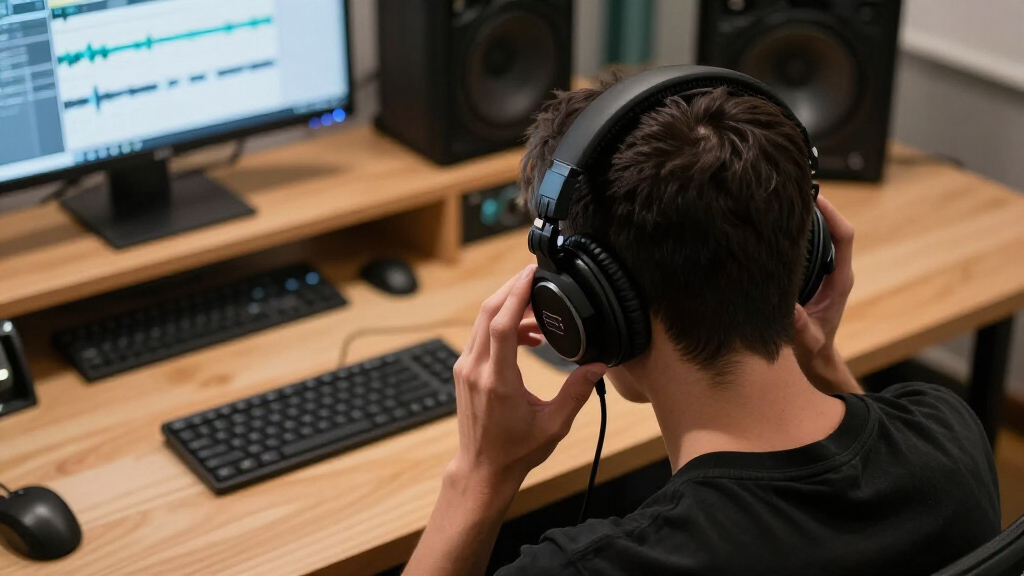

The best studio headphones for creators balance honest sound, long-session comfort, and the right amount of isolation for the work at hand. I rank the Sony MDR-M1 as the best overall because its closed design suits recording and editing while its reference-focused tuning supports more dependable production decisions. The Audio-Technica ATH-M40x is my value pick, while the open-back Sennheiser HD600 is the stronger premium choice for critical mixing in a quiet room. Buyers mainly need to choose between isolation and spaciousness, easy portable use and amplifier-dependent performance, or forgiving sound and greater exposure of recording flaws. Continue reading for the full breakdown and a clear match for each creator type.

Get audio and creator gear delivered free with Prime
- Fast, free delivery on millions of items
- Prime Video, Amazon Music and more included
- Member-only deals all year
Complete the kit


Key Takeaways
- The Sony MDR-M1 offers the best overall balance of closed-back isolation, reference-oriented sound, comfort, and flexibility across recording, editing, and mixing.
- The Audio-Technica ATH-M40x beats the ATH-M50x on value for creators who favor a more restrained monitoring profile over extra bass energy and a higher price.
- The Sennheiser HD600 is the strongest critical-mixing option, but its open design and greater power demands make it less practical for vocal recording, travel, or noisy rooms.
- The Beyerdynamic models serve different jobs: the DT 770 PRO 80 Ohm fits tracking and closed-back monitoring, while the DT 990 PRO provides a wider open presentation but has brighter treble and needs suitable amplification.
- Wireless and low-cost OneOdio models favor convenience over reference precision, making them better for content creation, rough edits, or secondary monitoring than final mix approval.
| OneOdio A71D Wired Over-Ear Headphones |  | Best Budget DJ and Recording Pick | Driver size: 40mm | Connectivity: Wired | Plugs: 3.5mm and 6.35mm | VIEW LATEST PRICE | See Our Full Breakdown |
| Sennheiser HD600 Headphones |  | Best for Mastering and Tonal Detail | Design: Open-back | Form factor: Over-ear | Magnet type: Neodymium ferrous | VIEW LATEST PRICE | See Our Full Breakdown |
| Beyerdynamic DT 770 PRO 80 Ohm Headphones |  | Best Closed-Back Value | Impedance: 80 ohms | Design: Closed-back | Form factor: Over-ear | VIEW LATEST PRICE | See Our Full Breakdown |
| Beyerdynamic DT 990 PRO 250 Ohm Headphones |  | Best for Spacious Mix Evaluation | Impedance: 250Ω | Design: Open-back | Form factor: Over-ear | VIEW LATEST PRICE | See Our Full Breakdown |
| Sony MDR-M1 Professional Reference Headphones |  | Best Overall for Working Creators | Frequency response: 5 Hz–80 kHz | Design: Closed-back | Weight: 216g | VIEW LATEST PRICE | See Our Full Breakdown |
| OneOdio A70 Bluetooth Over-Ear Headphones | 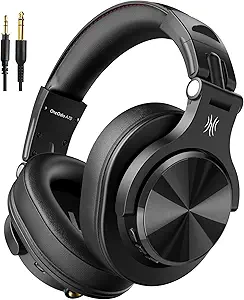 | Best Wireless-Wired Hybrid | Driver size: 40mm | Driver type: Neodymium | Wireless connectivity: Bluetooth 5.3 | VIEW LATEST PRICE | See Our Full Breakdown |
| OneOdio Wired DJ Hi-Res Over-Ear Headphones |  | Best Budget DJ Pick | Driver size: 50mm | Connectivity: Wired | Jack sizes: 3.5mm and 6.35mm | VIEW LATEST PRICE | See Our Full Breakdown |
| Audio-Technica ATH-M30x Professional Studio Monitor Headphones |  | Best for Vocal and Podcast Editing | Driver size: 40mm | Design: Circumaural, over-ear | Acoustic format: Closed-back isolation | VIEW LATEST PRICE | See Our Full Breakdown |
| Sony MDR-7506 Professional Large Diaphragm Headphones |  | Best for Location Recording | Driver size: 40mm | Magnet type: Neodymium | Frequency response: 10Hz–20kHz | VIEW LATEST PRICE | See Our Full Breakdown |
| Audio-Technica ATH-M50x Professional Studio Monitor Headphones |  | Best Overall | Driver size: 45mm | Design: Circumaural, over-ear | Acoustic format: Closed-back isolation | VIEW LATEST PRICE | See Our Full Breakdown |
| AKG K240 Studio Semi-Open Studio Headphones |  | Best Budget Pick for Mixing | Acoustic design: Semi-open | Transducer size: 30 mm | Transducer technology: XXL transducers with Varimotion diaphragms | VIEW LATEST PRICE | See Our Full Breakdown |
| Wired Over-Ear Headphones for Studio Monitoring & Mixing, 50mm Drivers, Stereo Sound, 1/4 to 3.5mm Jack, Black |  | Best for Shared Monitoring | Driver size: 50 mm | Frequency range: 20 Hz–20 kHz | Weight: 260 g (9.1 oz) | VIEW LATEST PRICE | See Our Full Breakdown |
| Sennheiser HD 280 Pro Headphones, Black |  | Best for Recording Isolation | Headphone type: Closed-back | Fit: Over-ear | Maximum attenuation: 32 dB | VIEW LATEST PRICE | See Our Full Breakdown |
| Audio-Technica ATH-M20x Professional Studio Monitor Headphones, Black |  | Best for Beginners | Driver size: 40 mm | Fit: Circumaural over-ear | Cable exit: Single side | VIEW LATEST PRICE | See Our Full Breakdown |
| Audio-Technica ATH-M40x Professional Studio Monitor Headphones, Black |  | Best Midrange All-Rounder | Driver size: 40 mm | Magnet type: Rare-earth | Voice coil: Copper-clad aluminum wire | VIEW LATEST PRICE | See Our Full Breakdown |
| studio headphones for creator | Driver size | Design |
|---|---|---|
| OneOdio A71D Wired Over-Ear He | 40mm | — |
| Sennheiser HD600 Headphones | — | Open-back |
| Beyerdynamic DT 770 PRO 80 Ohm | — | Closed-back |
| Beyerdynamic DT 990 PRO 250 Oh | — | Open-back |
| Sony MDR-M1 Professional Refer | — | Closed-back |
| OneOdio A70 Bluetooth Over-Ear | 40mm | Over-ear, ergonomic, foldable |
| OneOdio Wired DJ Hi-Res Over-E | 50mm | Padded over-ear with adjustable headband |
| Audio-Technica ATH-M30x Profes | 40mm | Circumaural, over-ear |
| Sony MDR-7506 Professional Lar | 40mm | — |
| Audio-Technica ATH-M50x Profes | 45mm | Circumaural, over-ear |
| AKG K240 Studio Semi-Open Stud | — | — |
| Wired Over-Ear Headphones for | 50 mm | — |
| Sennheiser HD 280 Pro Headphon | — | — |
| Audio-Technica ATH-M20x Profes | 40 mm | — |
| Audio-Technica ATH-M40x Profes | 40 mm | — |
More Details on Our Top Picks
OneOdio A71D Wired Over-Ear Headphones
I place the OneOdio A71D in the budget slot because its swiveling cups, dual-size plugs, and foldable frame cover more creator workflows than its price-oriented design suggests. Compared with the wireless-capable OneOdio A70, this model trades mobility for a stable wired signal that avoids battery and latency concerns during recording. Its 40mm drivers emphasize deep bass while retaining clear mids and highs, making it better suited to DJ cueing and home demos than strict mastering. It is also easier to carry than the Beyerdynamic DT 770 PRO, though the Beyerdynamic offers stronger isolation and more dependable construction. I see the single-ear monitoring design as its defining advantage, but the attached 2.2-meter cable limits movement and reported build consistency makes it a less convincing long-term studio investment.
Pros:- 40mm drivers provide strong bass with clear mids and highs
- Swiveling ear cups support single-ear DJ monitoring
- Foldable frame is easier to store and transport
- 3.5mm and 6.35mm connectivity works with consumer and studio equipment
Cons:- Wired connection restricts movement during active sessions
- Build consistency may fall short of established professional models
- Bass-forward character is less suitable for neutral mastering decisions
Best for: I recommend it to budget-conscious DJs, podcasters, and home creators who need swiveling cups and both common studio plug sizes.
Not ideal for: I would skip it for mastering engineers or touring professionals who need highly consistent construction and a neutral reference presentation.
- Driver size:40mm
- Connectivity:Wired
- Plugs:3.5mm and 6.35mm
- Cable length:2.2m (7.2ft)
- Foldable:Yes
- Ear cups:Swiveling
- Weight:0.34 kg
- Warranty:1 year
Our verdict“I would choose the A71D for affordable DJ cueing and home recording, but not as a primary mastering reference.”
Sennheiser HD600 Headphones
I rank the Sennheiser HD600 as the most focused choice here for creators making tonal and balance decisions in a quiet room. Its open-back construction produces a spacious, revealing presentation, while the plush cushions support long editing or mastering sessions. Compared with the Beyerdynamic DT 990 PRO, the HD600 is the better fit for buyers who value audiophile-grade clarity over a more overtly expansive studio presentation. It also provides a detachable, reinforced cable, unlike several fixed-cable alternatives. That precision comes with firm boundaries: sound leaks freely, outside noise remains audible, and the full-size frame is awkward for mobile work. The Sony MDR-M1 is much better for tracking near live microphones. I would treat the HD600 as a quiet-room reference, not an all-purpose recording headphone.
Pros:- Open-back presentation exposes fine tonal and spatial details
- Plush cushions support extended editing sessions
- Detachable Kevlar-reinforced cable improves serviceability
- Durable construction suits a permanent studio setup
Cons:- Open cups leak audio into microphones and nearby workspaces
- Little isolation from room noise
- Bulky design is poorly suited to portable production
Best for: I recommend it to mixing and mastering creators working in quiet rooms who prioritize tonal detail and long-session comfort.
Not ideal for: I would skip it for vocal tracking, shared workspaces, or travel because its open cups leak sound and provide little isolation.
- Design:Open-back
- Form factor:Over-ear
- Magnet type:Neodymium ferrous
- Cable:Detachable, Kevlar-reinforced
- Cable conductor:Oxygen-free copper
- Ear cushions:Plush
- Finish:Black and gray
- Microphone compatibility:Sennheiser HD 500 BAM
Our verdict“I would select the HD600 as a dedicated quiet-room reference for detailed mixing and mastering work.”
Beyerdynamic DT 770 PRO 80 Ohm Headphones
The Beyerdynamic DT 770 PRO 80 Ohm earns my closed-back value pick by pairing meaningful isolation with replaceable parts and soft velour pads. Compared with the open-back Sennheiser HD600, it is far better suited to recording vocals, editing in shared rooms, and monitoring without sending headphone bleed into a microphone. Its 80-ohm load is also easier to accommodate than the 250-ohm DT 990 PRO, though weak laptop or phone outputs may still leave it underpowered. The three-meter straight cable works well across a studio desk but becomes cumbersome in a backpack or compact booth. I also rank the Sony MDR-M1 higher for cable flexibility because Sony supplies two detachable leads. For creators who favor repairable construction and closed-back isolation over portability, the DT 770 PRO remains the more pragmatic purchase.
Pros:- Closed-back cups provide useful isolation for tracking and editing
- Velour pads remain comfortable during long sessions
- Replaceable components support long-term ownership
- 80-ohm configuration suits many studio interfaces
Cons:- Low-powered devices may not drive it with enough authority
- Three-meter cable is awkward for mobile production
- Fixed cable is less convenient to replace or pack than detachable designs
Best for: I recommend it to home-studio musicians, vocal editors, and producers who need isolation, durable parts, and comfort across long sessions.
Not ideal for: I would skip it for phone-based creators and frequent travelers because the 80-ohm load and three-meter cable reduce portable convenience.
- Impedance:80 ohms
- Design:Closed-back
- Form factor:Over-ear
- Cable length:3m (9.8ft)
- Connector:3.5mm jack
- Adapter:Threaded 6.35mm adapter
- Earpads:Velour
- Country of manufacture:Germany
Our verdict“I would buy the DT 770 PRO for dependable closed-back studio monitoring when isolation and repairability matter more than portability.”
Beyerdynamic DT 990 PRO 250 Ohm Headphones
I give the Beyerdynamic DT 990 PRO the spatial-mixing role because its open-back cups create a natural, broad soundstage that helps creators place instruments and effects. It is a more specialized choice than the closed-back DT 770 PRO: the DT 990 offers greater openness for mix evaluation, while the DT 770 blocks room noise and works around microphones. Against the Sennheiser HD600, this model makes sense for buyers drawn to wide spatial presentation and durable German construction rather than the Sennheiser’s more restrained reference role. Replaceable velour pads make long desk sessions easier, but the 250-ohm impedance calls for a capable interface or headphone amplifier. Sound leakage, absent isolation, and a wired full-size build rule out commuting and most tracking work. I would reserve this open-back specialist for a quiet production room.
Pros:- Open-back design creates a broad, natural soundstage
- Precise presentation supports placement and ambience decisions
- Replaceable velour pads suit long studio sessions
- German-made construction is designed for sustained professional use
Cons:- 250-ohm impedance often calls for dedicated amplification
- Open cups leak sound and provide little room-noise isolation
- Full-size wired design is unsuitable for portable production
Best for: I recommend it to mix engineers and electronic music producers using a capable interface in a quiet, private studio.
Not ideal for: I would skip it for vocal tracking, noisy rooms, and low-powered mobile devices because it leaks sound and carries a 250-ohm load.
- Impedance:250Ω
- Design:Open-back
- Form factor:Over-ear
- Connectivity:Wired
- Earpad material:Velour
- Earpads:Replaceable
- Color:Black
- Country of manufacture:Germany
Our verdict“I would choose the DT 990 PRO for spacious mix evaluation at a properly powered studio desk, not for recording or travel.”
Sony MDR-M1 Professional Reference Headphones
I rank the Sony MDR-M1 as the best overall option because it combines closed-back isolation, a wide 5 Hz–80 kHz playback range, and maintainable components without tying creators to one narrow task. Compared with the Beyerdynamic DT 770 PRO, Sony’s two detachable cables and secure screw-in connection make setup changes and future cable replacement easier. It is also a safer tracking choice than the open-back Sennheiser HD600, since the sealed design limits bleed around live microphones. At 216g, the frame remains relatively manageable, while thick padding supports longer editing sessions. The tradeoff is a less airy presentation than either open-back model, and its professional reference focus offers little benefit to casual listeners. Cable changes also take longer than with a simple push-in socket. I favor it for creators seeking one adaptable studio headphone.
Pros:- Closed-back design provides strong isolation for recording work
- 5 Hz–80 kHz playback range supports detailed monitoring
- Two detachable cables accommodate different studio setups
- Replaceable earpads and secure connectors support long-term use
Cons:- Closed-back presentation feels less spacious than the HD600 or DT 990 PRO
- Screw-in connector makes cable swaps slower
- Professional feature set may be excessive for casual listening
Best for: I recommend it to producers, recording engineers, and video creators who need one closed-back headphone for tracking, editing, and detailed monitoring.
Not ideal for: I would skip it for casual listeners and creators seeking the widest open-back soundstage, since its professional features and sealed presentation may be unnecessary.
- Frequency response:5 Hz–80 kHz
- Design:Closed-back
- Weight:216g
- Cable system:Two detachable cables
- Connection:Secure screw-in plug
- Adapters:3.5mm and 6.3mm
- Earpad material:Soft, thick padding
- Earpads:Replaceable
Our verdict“I would choose the MDR-M1 as the most adaptable single purchase for creators moving between tracking, editing, and monitoring.”
OneOdio A70 Bluetooth Over-Ear Headphones
I place the OneOdio A70 here for creators who split their time between casual listening and cable-based production. Its 72-hour battery makes it far more flexible away from a desk than the wired OneOdio model or Sony MDR-7506, while the 3.5mm and 6.35mm connections preserve access to interfaces, mixers, and guitar equipment. The audio-sharing function also suits collaborative editing or teaching. Yet this is not my first choice for critical mixing: its powerful bass can make balance decisions less dependable than the clearer Audio-Technica ATH-M50x, and Bluetooth should be avoided during latency-sensitive recording. The foldable build helps with storage, though it remains fairly bulky. I rank it as the strongest convenience pick, not the most accurate monitor.
Pros:- Up to 72 hours of wireless playback
- Bluetooth plus 3.5mm and 6.35mm wired connections
- Audio sharing supports collaborative listening
- Foldable over-ear design suits mixed home and mobile use
Cons:- Bass-forward presentation is less suitable for precise mix decisions
- No advanced active noise cancellation
- Bulky build and 10-meter Bluetooth range limit mobility
Best for: Multimedia creators who want one pair for wireless everyday listening and wired recording or editing
Not ideal for: Mix engineers seeking neutral playback or travelers who need compact headphones with active noise cancellation
- Driver size:40mm
- Driver type:Neodymium
- Wireless connectivity:Bluetooth 5.3
- Wired connectivity:3.5mm and 6.35mm jacks
- Battery life:Up to 72 hours
- Wireless range:Up to 10 meters
- Design:Over-ear, ergonomic, foldable
- Microphone:Built-in HD microphone with noise reduction
Our verdict“I recommend the OneOdio A70 to creators who value connection flexibility and battery life more than strict monitoring neutrality.”
OneOdio Wired DJ Hi-Res Over-Ear Headphones
The OneOdio Wired DJ headphones earn my budget DJ slot because their 50mm drivers and rotating earcups favor energetic cueing and single-ear monitoring. Compared with the Audio-Technica ATH-M30x, this pair delivers stronger bass and more DJ-oriented handling, while dual 3.5mm and 6.35mm connections reduce the need for adapters across laptops, mixers, and amplifiers. That flexibility also benefits musicians moving between a keyboard, guitar setup, and audio interface. My reservation is accuracy: a forceful low end can be enjoyable yet less revealing when judging whether a mix contains too much bass. The wired-only, bulky construction also makes the A70 more convenient for everyday mobility. I see this as an affordable performance tool rather than a neutral reference headphone.
Pros:- Large 50mm drivers produce powerful low-end output
- 90-degree swiveling earcups support single-ear cueing
- Dual jack arrangement works with consumer and studio equipment
- Shared audio port makes collaborative listening simple
Cons:- Bass emphasis can mask balance problems during critical mixing
- Wired-only operation limits everyday flexibility
- Bulky professional-style design is awkward for commuting
Best for: Beginner DJs, beat makers, and home musicians who need strong bass plus direct mixer and amplifier compatibility
Not ideal for: Mobile creators who need Bluetooth or mix engineers who rely on restrained, neutral low-frequency playback
- Driver size:50mm
- Connectivity:Wired
- Jack sizes:3.5mm and 6.35mm
- Ear-cup rotation:90 degrees
- Monitoring style:Single-side monitoring
- Design:Padded over-ear with adjustable headband
- Compatibility:Phones, computers, tablets, interfaces, mixers, and amplifiers
- Audio sharing:Shared audio port
Our verdict“I would choose this OneOdio model for affordable DJ cueing and instrument work, but not as a primary neutral mixing reference.”
Audio-Technica ATH-M30x Professional Studio Monitor Headphones
I rank the Audio-Technica ATH-M30x as the focused choice for speech, vocals, and acoustic material because its clear mid-range tuning brings articulation forward. That emphasis is more useful for spotting dialogue edits and vocal problems than the bass-heavy OneOdio DJ model. Its circumaural cups provide useful passive isolation, and the collapsible frame travels more easily than many full-size studio designs. The compromise appears at both frequency extremes and in construction: creators producing bass-led music may prefer the deeper low-end reach of the ATH-M50x, while buyers expecting a premium chassis may find this one plain. I also place it below the ATH-M50x for broad mixing duties because the flagship model adds larger drivers, swiveling cups, and multiple detachable cables. For mid-focused editing on a tighter budget, though, the M30x has a clearer purpose.
Pros:- Detailed mid-range helps expose vocal and dialogue issues
- Circumaural design provides useful passive isolation
- Collapsible frame is easier to pack
- Single-side cable routing reduces desk clutter
Cons:- Low bass has less authority than larger-driver alternatives
- Basic construction lacks a premium studio feel
- Wired design offers less mobility than the OneOdio A70
Best for: Podcast editors, vocal producers, and field creators who prioritize speech clarity, isolation, and foldable storage
Not ideal for: Bass-focused producers or buyers wanting the sturdier construction and cable flexibility of a higher-tier monitor
- Driver size:40mm
- Design:Circumaural, over-ear
- Acoustic format:Closed-back isolation
- Sound tuning:Detailed mid-range
- Cable routing:Single-side exit
- Portability:Collapsible
- Connectivity:Wired
Our verdict“I recommend the ATH-M30x for creators whose work centers on voices and mid-range detail rather than bass-heavy production.”
Sony MDR-7506 Professional Large Diaphragm Headphones
The Sony MDR-7506 takes my location-recording role through a practical mix of closed-ear isolation, foldable storage, and a long 9.8-foot cord. Compared with the ATH-M30x, its specified 10Hz–20kHz range offers broader low-frequency reach on paper, which can help creators monitor rumble as well as dialogue. The included soft case and quarter-inch adapter also make it ready for recorders, interfaces, and studio consoles. Its main strength can become an inconvenience: that long, non-detachable cable is useful beside a camera or mixing desk but cumbersome in a backpack, and cable damage is harder to remedy than with the detachable leads supplied with the ATH-M50x. Wireless users should choose the OneOdio A70 instead. I rank the Sony highly for dependable wired monitoring, but below the M50x for modularity and all-around production flexibility.
Pros:- Detailed sound supports recording and editing work
- Closed-ear design provides effective passive isolation
- Long cord reaches comfortably around recording setups
- Foldable frame, adapter, and soft case improve field utility
Cons:- Non-detachable cord is difficult to replace if damaged
- 9.8-foot cable can be cumbersome away from a studio
- Wired-only design lacks mobile convenience
Best for: Location sound recordists, videographers, and home-studio creators who need isolation and a long wired reach
Not ideal for: Creators who commute frequently or want a replaceable cable, wireless playback, or a compact everyday setup
- Driver size:40mm
- Magnet type:Neodymium
- Frequency response:10Hz–20kHz
- Connectivity:Wired
- Cord length:9.8 feet
- Ear design:Closed-ear
- Portability:Foldable
- Included accessories:6.35mm adapter and soft carrying case
Our verdict“I favor the MDR-7506 for wired field and studio monitoring where isolation and cable reach outweigh modularity.”
Audio-Technica ATH-M50x Professional Studio Monitor Headphones
The Audio-Technica ATH-M50x leads my ranking because it combines 45mm-driver clarity, strong isolation, and detachable-cable flexibility in one creator-friendly package. It is more adaptable than the ATH-M30x: the larger drivers deliver deeper bass, the 90-degree cups support one-ear monitoring, and three included cables suit both desk and mobile production setups. The Sony MDR-7506 remains attractive for location work with its longer cord, but the M50x is easier to maintain because a damaged cable can be replaced. This is not the smallest or most neutral-feeling option; its full-size build can become cumbersome, and its pronounced bass may be less appealing to creators who favor lean reference playback. Isolation also depends on getting a proper seal. Even with those tradeoffs, I give it the top position for creators moving between recording, editing, mixing, and DJ monitoring.
Pros:- Clear, extended sound suits varied production tasks
- 45mm drivers provide deeper bass than the ATH-M30x
- Detachable cables simplify replacement and setup changes
- 90-degree swiveling cups support one-ear monitoring
Cons:- Full-size construction is bulky for frequent travel
- Deep bass may be more pronounced than some neutral-reference users prefer
- Passive isolation depends heavily on achieving a proper fit
Best for: Multi-role creators who need one durable closed-back headphone for recording, editing, mixing, and one-ear monitoring
Not ideal for: Creators seeking an especially compact design or a lean, restrained bass presentation for strict reference work
- Driver size:45mm
- Design:Circumaural, over-ear
- Acoustic format:Closed-back isolation
- Ear-cup rotation:90 degrees
- Monitoring style:Single-ear monitoring supported
- Cable system:Detachable
- Included cables:Three
- Included accessories:Pouch and 6.3mm adapter
Our verdict“I choose the ATH-M50x as the best all-rounder for creators who need versatile monitoring and replaceable cables in one closed-back design.”
AKG K240 Studio Semi-Open Studio Headphones
I rank the AKG K240 Studio as the budget mixing pick because its semi-open construction creates a more spacious presentation than closed models such as the Audio-Technica ATH-M20x. That openness can make panning, ambience, and layered arrangements easier to judge, while the 55-ohm impedance is less demanding than the 250-ohm Beyerdynamic DT 990 PRO. The self-adjusting headband also suits creators facing long editing sessions. The tradeoff is poor sound containment: microphones can capture leakage, and outside noise remains audible. Its bass carries less physical impact than the ATH-M40x, so beat makers seeking forceful lows may prefer the closed Audio-Technica. I see this as a mixing and critical-listening specialist, rather than a single pair for recording, commuting, and production.
Pros:- Semi-open presentation provides a wider sense of space than closed-back budget models
- 55-ohm impedance works with a broader range of studio equipment than high-impedance alternatives
- Self-adjusting headband supports lengthy editing and mixing sessions
- Long cable and included adapter suit desktop studio setups
Cons:- Audible leakage makes it a poor choice for microphone tracking
- Provides little isolation from room noise
- Bass impact is lighter than on closed-back monitoring headphones
Best for: Home-studio creators who mix in a quiet room and want an affordable, spacious presentation for judging placement and ambience
Not ideal for: Vocalists recording near a live microphone or creators working around other people, because the semi-open earcups leak sound
- Acoustic design:Semi-open
- Transducer size:30 mm
- Transducer technology:XXL transducers with Varimotion diaphragms
- Impedance:55 ohms
- Cable length:9.9 feet
- Primary connector:3.5 mm stereo
- Included adapter:6.35 mm stereo
Our verdict“Choose the K240 Studio for affordable mixing in a quiet space, but pair it with closed headphones if recording is part of the workflow.”
Wired Over-Ear Headphones for Studio Monitoring & Mixing, 50mm Drivers, Stereo Sound, 1/4 to 3.5mm Jack, Black
I give these wired over-ear headphones the shared-monitoring role because daisy-chain audio sharing and single-ear listening address collaborative sessions more directly than the Sennheiser HD 280 Pro. Their 50mm drivers promise a punchy presentation, and the dual plug support makes moving between an interface, mixer, and laptop straightforward. At 260g, they also remain manageable during longer edits. Yet driver diameter alone does not establish accuracy, and this model lacks the well-established reference profile of the Sony MDR-7506 or Audio-Technica ATH-M40x. The bulky earcups reduce travel appeal, while isolation is not quantified like the HD 280 Pro’s 32dB attenuation. I would choose this as a practical collaboration tool for demos, lessons, or DJ cueing—not as my first reference for final mix decisions.
Pros:- Daisy-chain capability supports shared listening without a separate splitter
- Single-ear monitoring is useful for DJ cueing and live production
- 50mm drivers provide a full, punchy stereo presentation
- 3.5mm and 6.35mm compatibility covers common consumer and studio outputs
Cons:- Tonal accuracy is less established than on long-running studio reference models
- Bulky over-ear construction is inconvenient for frequent travel
- Isolation performance is unspecified and may be inadequate in loud rooms
Best for: Creators, music tutors, and small production teams who need to share a wired source or switch quickly to one-ear monitoring
Not ideal for: Mix engineers seeking a widely documented reference sound for final balancing decisions, or mobile creators who need a compact wireless pair
- Driver size:50 mm
- Frequency range:20 Hz–20 kHz
- Weight:260 g (9.1 oz)
- Cord length:5.7–6 feet
- Plug types:3.5 mm and 6.35 mm
- Monitoring mode:Single-side monitoring
- Sharing feature:Daisy-chain audio sharing
- Fit:Over-ear
Our verdict“This model makes sense for collaborative monitoring and cueing, while proven reference headphones remain the safer choice for final mixes.”
Sennheiser HD 280 Pro Headphones, Black
I place the Sennheiser HD 280 Pro first for recording isolation because its rated attenuation reaches 32dB, giving vocalists, podcasters, and location recordists more protection from bleed than the semi-open AKG K240 Studio. The closed over-ear design also helps creators hear detail when the room itself is noisy. Replaceable pads and cable strengthen its value for studios where equipment sees daily use, while the collapsible frame travels more easily than the Audio-Technica ATH-M40x’s less compact over-ear shape. That isolation comes with firm clamping pressure, which some users may find tiring during long editing sessions. The coiled cable can also feel heavy at a desk or in the field. I rank it as a tracking-focused workhorse; for spacious mix evaluation, the K240 or Sennheiser HD600 is the better direction.
Pros:- Up to 32dB attenuation limits room noise and microphone bleed
- Closed over-ear construction suits tracking and field recording
- Replaceable ear pads and cord support a longer service life
- Collapsible design is easier to transport and store
Cons:- Firm clamping force can cause fatigue during extended sessions
- Coiled cable adds weight and can tug during mobile recording
- Closed presentation is less spacious than semi-open or open alternatives
Best for: Vocalists, podcasters, field recordists, and shared studios that need strong passive isolation and serviceable components
Not ideal for: Glasses wearers or editors sensitive to firm clamping pressure, as the close seal can become uncomfortable over long sessions
- Headphone type:Closed-back
- Fit:Over-ear
- Maximum attenuation:32 dB
- Cable length:3.3–9.8 feet
- Connectivity:Wired
- Foldability:Collapsible
- Replaceable components:Ear pads and cord
- Color:Black
Our verdict“Pick the HD 280 Pro when isolation and dependable daily studio use matter more than an airy presentation or light clamping force.”
Audio-Technica ATH-M20x Professional Studio Monitor Headphones, Black
I assign the Audio-Technica ATH-M20x the beginner role because it supplies the basic traits a new creator needs—closed circumaural coverage, useful isolation, and a durable wired build—without paying for every professional convenience. Its enhanced low-frequency response can make rhythm tracks and editing cues easy to follow, and the single-sided cable keeps desk work tidier than dual-entry designs. Compared with the ATH-M40x, however, it lacks swiveling earcups and detachable cables, making the cheaper model less adaptable and harder to service. It may also smooth over some high-frequency detail, so creators learning final mix translation should cross-check on speakers or another reference. I rank it below the M40x for serious mixing, but its simple closed-back practicality makes it a sensible starting point for recording demos, voice work, and video editing.
Pros:- Closed circumaural fit reduces distractions and recording bleed
- Enhanced low-frequency response makes bass lines and timing cues easy to follow
- Single-sided cable is convenient at a desk or recording station
- Durable construction is suited to regular beginner studio use
Cons:- High-frequency detail can be less revealing than on more advanced reference models
- Cable is not detachable, reducing serviceability and packing flexibility
- No swiveling earcups for one-ear monitoring
Best for: New home-studio creators who need an uncomplicated wired pair for demo tracking, voice recording, and everyday timeline editing
Not ideal for: Creators who need detachable cables, one-ear monitoring, or enough treble detail for demanding final mix and mastering work
- Driver size:40 mm
- Fit:Circumaural over-ear
- Cable exit:Single side
- Low-frequency tuning:Enhanced low-frequency performance
- Intended applications:Studio tracking and mixing
- Color:Black
Our verdict“The ATH-M20x is a sensible first studio headphone for tracking and editing, while the ATH-M40x is worth the step up for more flexible production work.”
Audio-Technica ATH-M40x Professional Studio Monitor Headphones, Black
I rank the Audio-Technica ATH-M40x as the midrange all-rounder because it adds production-friendly flexibility without moving into the ATH-M50x’s higher tier. The closed circumaural fit isolates creators during tracking, while 90-degree swiveling earcups make one-ear checks easier for recording, DJ work, or conversations in the control room. Detachable cables are the bigger long-term advantage over the ATH-M20x: a damaged lead can be replaced without retiring the headphones. The compromise is portability. This remains a substantial over-ear model, and its professional-grade structure may feel heavier during marathon edits than lighter options. It also lacks the HD 280 Pro’s specified 32dB attenuation, so I would favor Sennheiser in especially noisy spaces. For creators splitting time between tracking, editing, and mixing, the M40x offers the best balance of adaptability and durability in this group.
Pros:- 90-degree swiveling earcups support quick one-ear monitoring
- Detachable cables improve serviceability and setup flexibility
- Circumaural fit provides useful isolation for recording and editing
- Professional-grade pads and headband are designed for repeated studio use
Cons:- Over-ear construction is bulky for compact travel kits
- Can feel heavier over long sessions than lightweight monitoring models
- Isolation lacks the specific 32dB rating offered by the Sennheiser HD 280 Pro
Best for: Independent musicians, video editors, and small-studio creators who need one durable wired pair for tracking, editing, mixing, and one-ear monitoring
Not ideal for: Frequent travelers seeking minimal bulk or recordists who need the strongest documented passive attenuation for loud environments
- Driver size:40 mm
- Magnet type:Rare-earth
- Voice coil:Copper-clad aluminum wire
- Fit:Circumaural over-ear
- Earcup swivel:90 degrees
- Cable system:Detachable cables included
- Ear pads and headband:Professional-grade materials
- Color:Black
Our verdict“Choose the ATH-M40x when one pair must cover most creator tasks and detachable cables matter more than maximum isolation or compactness.”
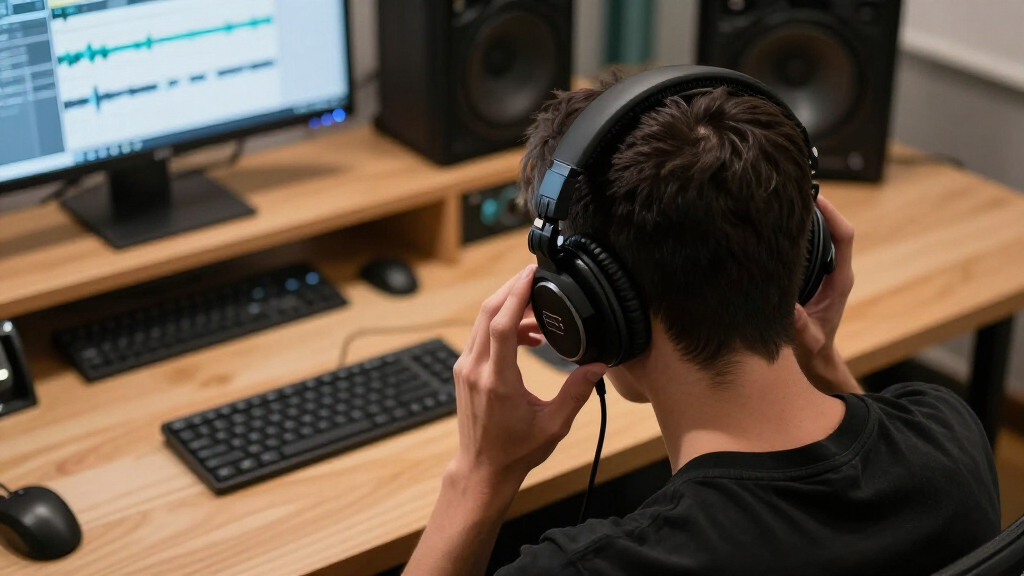
How We Picked
I ranked these headphones by how well they support real creator workflows rather than by driver size or claimed frequency range alone. My main criteria were tonal reliability, isolation, comfort, connection flexibility, and whether the design fits recording, mixing, video editing, podcasting, or mobile production. I gave greater weight to models that reveal vocal problems, balance changes, and unwanted noise without making every session tiring. Published specifications, design characteristics, replacement-part availability, established professional use, and relative pricing shaped the comparison.
The order also reflects versatility and the cost of building a workable setup. A headphone that performs well from common interfaces ranked more broadly than a high-impedance model that may need another purchase, while specialists still earned strong positions when they offered a clear advantage for a particular job. I marked down wireless listening for latency and codec uncertainty, open backs for sound leakage, and heavily colored tuning for weaker mix translation. That logic puts the Sony MDR-M1 first for mixed creator workloads, the ATH-M40x near the top for value, and the HD600 ahead for dedicated critical listening rather than all-purpose use.
| studio headphones for creator | Design |
|---|---|
| OneOdio A71D Wired Over-Ear He | — |
| Sennheiser HD600 Headphones | Open-back |
| Beyerdynamic DT 770 PRO 80 Ohm | Closed-back |
| Beyerdynamic DT 990 PRO 250 Oh | Open-back |
| Sony MDR-M1 Professional Refer | Closed-back |
| OneOdio A70 Bluetooth Over-Ear | Over-ear, ergonomic, foldable |
| OneOdio Wired DJ Hi-Res Over-E | Padded over-ear with adjustable headband |
| Audio-Technica ATH-M30x Profes | Circumaural, over-ear |
| Sony MDR-7506 Professional Lar | — |
| Audio-Technica ATH-M50x Profes | Circumaural, over-ear |
| AKG K240 Studio Semi-Open Stud | — |
| Wired Over-Ear Headphones for | — |
| Sennheiser HD 280 Pro Headphon | — |
| Audio-Technica ATH-M20x Profes | — |
| Audio-Technica ATH-M40x Profes | — |
Factors to Consider When Choosing Studio Headphones For Creators
I would choose studio headphones by starting with the creator’s actual room, recording habits, and playback equipment. The most revealing model on paper can be the wrong purchase if it leaks into a microphone, needs more power than the interface provides, or becomes uncomfortable halfway through an edit. These factors help separate a practical daily tool from a specialist pair.
Choose Closed, Open, or Semi-Open Backs by Task
Closed-back headphones are the safer choice for vocal tracking, livestreaming, location recording, and shared rooms because they reduce sound reaching the microphone and block more outside noise. Their sealed cups can create stronger bass pressure and a narrower spatial impression, which may make ambience and panning harder to judge. Open-back headphones usually present space more naturally and reduce the boxed-in feeling during long mixing sessions, but nearby people and microphones will hear them. Semi-open models split the difference without fully solving leakage or isolation. I would prioritize closed backs for a single do-everything pair and add an open model later if mixing accuracy becomes the main need. Buying an open headphone for recording simply because it sounds spacious is a common and costly mismatch.
Match Impedance and Sensitivity to the Source
Impedance alone does not reveal how loud a headphone will play, but it can flag a poor pairing with a phone, laptop, camera, or modest USB interface. Models around 32 to 80 ohms are generally easier to integrate into mobile and home-studio setups, though sensitivity also affects the result. A 250-ohm headphone may need a stronger amplifier to provide clean volume and enough headroom for quiet recordings. Turning a weak output to maximum can add distortion while still leaving the sound flat or underpowered. I would check the interface manufacturer’s headphone-output guidance before buying a demanding model. Spending more on high impedance does not automatically buy greater detail; it may only add another box and cable to the desk.
Favor Translation Over Exciting Sound
Creator headphones should help work sound balanced on speakers, earbuds, cars, and phones rather than make the session itself more dramatic. Elevated bass can hide low-end mistakes, while sharp treble may push a creator to produce mixes that sound dull elsewhere. A flatter response is useful, but no headphone is perfectly neutral, and each person’s ear shape changes the perceived result. I would learn a headphone by comparing familiar reference tracks and checking finished work on two or three everyday playback systems. Consistency matters more than spectacular detail when deadlines require repeatable decisions. Correction software can reduce broad frequency-response problems, but it cannot remove cup resonances, leakage, weak fit, or an unnatural sense of space.
Treat Comfort and Serviceability as Production Features
A revealing headphone loses value if clamp pressure, heat, or a heavy frame cuts a session short. Deep pads and manageable clamping force matter for editors, producers, and streamers who may wear a pair for several hours. Velour tends to feel cooler but may leak more bass and outside sound, while synthetic leather often isolates better yet traps heat. Pad wear also changes the distance between the driver and ear, which can alter frequency balance before the damage looks severe. I give extra value to replaceable pads, cables, and headband parts because they extend working life and reduce downtime. Creators who wear glasses should also expect the seal and bass response of closed headphones to vary with frame thickness.
Know When Wireless Helps and When It Gets in the Way
Bluetooth is useful for reviewing edits away from the desk, managing a livestream, or switching between creator work and casual listening. It is less suitable for live monitoring because wireless latency can disrupt timing while recording speech, instruments, or MIDI parts. Bluetooth codecs, active electronics, and optional sound processing may also change what reaches the ear compared with the wired signal. A model that supports passive wired playback can be more flexible, but the wired and wireless modes may not share the same tuning. I would treat wireless as a convenience layer, not the main reason to trust a mix. For creators who rarely record and mainly edit spoken content or short-form video, that convenience may still outweigh strict reference performance.
Spend More Where It Changes the Workflow
A higher price is justified when it brings more dependable tonal balance, lower long-session fatigue, stronger repair support, or a design that solves a repeated production problem. Beginners often gain more from a solid affordable headphone plus basic room treatment or a better microphone than from putting the whole budget into premium monitoring. One reliable closed-back pair is a sensible starting point because it covers recording and general editing without leakage. An open premium model becomes more valuable after a creator has a quiet workspace and already checks mixes on other systems. I would budget for replacement pads and any required amplifier rather than treating the sticker price as the full cost. Pay for a clearer decision, not a longer specification sheet.
Frequently Asked Questions
Should I Buy Open-Back or Closed-Back Headphones for a Home Studio?
I recommend closed-back headphones for most first home-studio purchases because they can handle vocal recording, instrument tracking, editing, and late-night work with less leakage. Open backs are better suited to critical mixing when the room is quiet and no live microphone is active. Their wider presentation can make panning and ambience easier to interpret, but it does not replace speaker checks. If the budget supports two pairs, I would combine a closed model such as the Sony MDR-M1 or DT 770 PRO with an open model such as the HD600.
Do 250-Ohm Studio Headphones Require a Dedicated Amplifier?
A 250-ohm model will often produce sound from a standard output, yet adequate volume is not the same as clean headroom. Small laptop, phone, and camera outputs may struggle with demanding headphones, especially when the source material has a wide dynamic range. I would pair the DT 990 PRO 250 Ohm with an interface or amplifier whose manufacturer supports that load. Creators who want fewer compatibility worries should favor an easier-to-drive model such as the DT 770 PRO 80 Ohm or one of the Audio-Technica options. The amplifier should be treated as part of the total purchase price.
Is the ATH-M50x Worth Paying More for Than the ATH-M40x?
The ATH-M50x makes sense for buyers who want a sturdier-feeling popular workhorse, detachable cables, and a more energetic presentation for recording or content production. I prefer the ATH-M40x as the value choice because its more restrained balance can support editing and basic mixing without paying for the M50x name or stronger low-end character. Neither model offers the open spatial presentation of the HD600 or DT 990 PRO. The better purchase depends on whether lively monitoring or a lower-cost, less hyped reference is more useful for the creator’s work.
Can Bluetooth Headphones Be Used for Recording and Mixing?
Bluetooth headphones can support rough editing, content review, and casual playback, but I would not rely on them for live recording or final mix decisions. Latency can make performances feel delayed, and codec processing may alter detail or dynamics. The OneOdio A70 becomes more useful when connected by cable, though wired mode should still be checked for any change in tuning. For timing-sensitive recording, I would choose a direct wired connection every time. Wireless remains valuable for creators who place mobility above strict monitoring accuracy.
Which Headphones Are Best for Creators Who Record Vocals and Also Mix?
A creator handling both jobs needs isolation during recording and enough tonal discipline for editing afterward. I place the Sony MDR-M1 first for that mixed workflow because its closed reference design is more adaptable than an open specialist. The DT 770 PRO 80 Ohm is another strong tracking choice, though its frequency character may require more learning before mix decisions translate consistently. The ATH-M40x offers a lower-cost route for growing studios. I would add an open headphone or monitor speakers later rather than compromise vocal recordings with an open-back first purchase.
Conclusion
For most creators, I recommend the Sony MDR-M1 as the best overall because it combines recording-friendly isolation with a reference-focused design suited to editing and production. The Audio-Technica ATH-M40x is the best value, while the ATH-M20x is my beginner pick for buyers building a first wired setup on a tight budget. For premium critical mixing in a quiet workspace, the Sennheiser HD600 offers the most focused choice, provided leakage and extra amplification are acceptable. Vocalists and tracking engineers should favor the DT 770 PRO 80 Ohm, while location editors may prefer the familiar, revealing Sony MDR-7506. The DT 990 PRO suits creators seeking an open presentation with bright detail, and the OneOdio A70 fits buyers who place wireless flexibility above final-mix confidence. I would choose by the hardest task the headphones must handle, then use secondary playback checks to cover the limitations of that design.
Columbus Day / Indigenous Peoples' Day Picks
long weekend sales
As an affiliate, we earn on qualifying purchases.