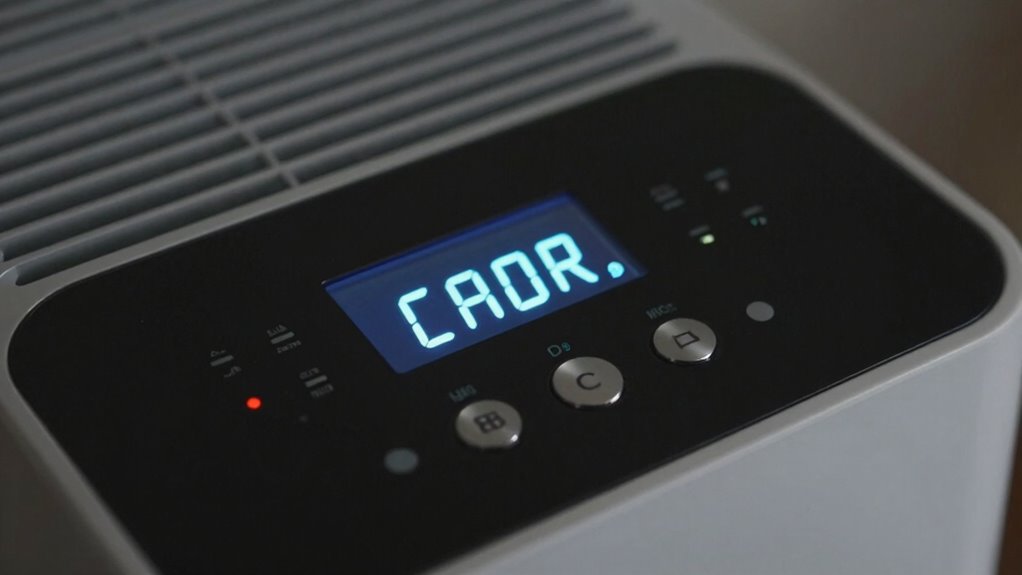

The CADR number on air purifiers shows how much clean air the device can produce per minute, helping you see how fast it can clear pollutants like dust, smoke, and pollen. But it’s not just a simple number; a higher CADR means faster filtration but depends on filter quality and room size. Knowing what impacts CADR and how it relates to performance can guarantee you pick the right purifier. Keep going to uncover how to choose wisely.

Get audio and creator gear delivered free — and shop member deals
- Fast, free delivery on millions of items
- Access to Prime Big Deal Days deals on October 6–7
- Prime Video, Amazon Music and more included
Key Takeaways
- CADR measures how quickly an air purifier can clean specific pollutants like dust, pollen, and smoke.
- A higher CADR indicates faster removal but doesn’t guarantee better filter quality or efficiency.
- CADR ratings should match your room size for optimal air cleaning performance.
- Filter maintenance affects actual CADR performance over time, not just the initial number.
- CADR is a useful guideline, but overall effectiveness depends on filter quality and device design.
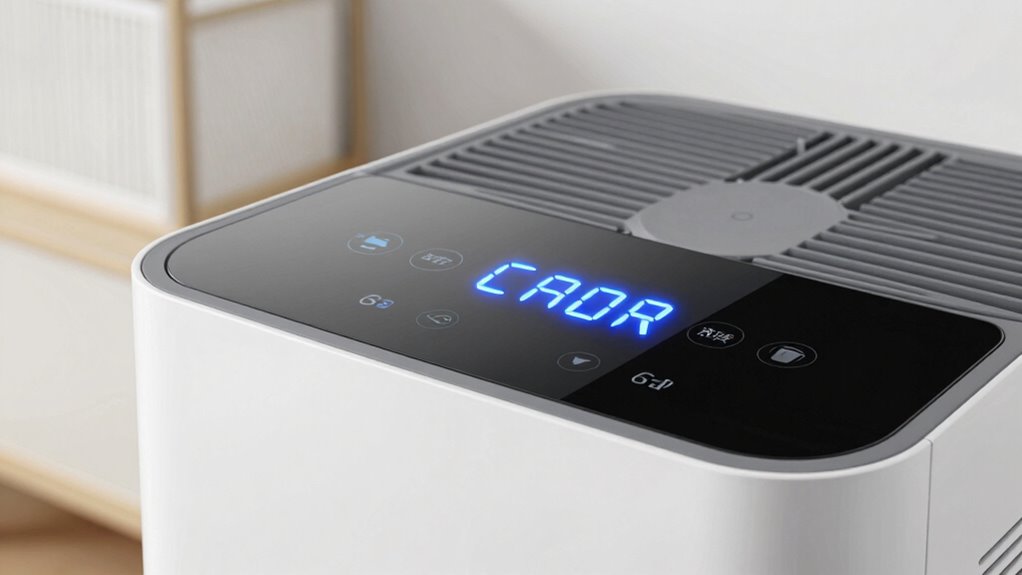
Ever wondered what the CADR number on an air purifier really means? If you’re shopping for an air purifier, you’ve likely seen the number prominently displayed on product labels or packaging. But do you truly understand what that number signifies? The Clean Air Delivery Rate, or CADR, isn’t just a random figure; it’s a key indicator of how well the device can improve air quality in your space. Specifically, it measures the volume of filtered air delivered per minute, giving you an idea of how efficiently the purifier can clear out airborne pollutants like dust, pollen, and smoke. Higher CADR numbers generally mean faster removal of these particles, leading to cleaner air in less time.
However, many buyers get caught up in the number itself and overlook what it really represents—filter efficiency. The CADR reflects how effectively the filter captures particles and how much air it can treat within a given period. A high CADR indicates that the filter is capable of trapping a significant amount of pollutants quickly, which is essential if you’re dealing with allergies, asthma, or pollution-heavy environments. But it’s not just about the number; it’s also about how the filter performs in your specific space. For example, a high CADR for dust doesn’t necessarily mean the purifier is equally effective for smoke or pet dander. You need to pay attention to the CADR ratings for each type of pollutant to confirm the device meets your needs.
Understanding the relationship between CADR and filter efficiency helps you make smarter choices. If you want faster air cleaning, especially in larger rooms, opt for a model with a higher CADR rating. But remember, the actual filter quality and maintenance also play essential roles. A high CADR air purifier with a poorly designed or low-quality filter won’t perform as well as one with a top-tier filter, even if the CADR numbers are similar. Regularly replacing or cleaning filters is key to maintaining peak filter efficiency and confirming the CADR continues to reflect real-world performance. Additionally, knowing how the CADR relates to the filter’s particle capture capability can help you select the best device for your needs.
Furthermore, understanding the filter efficiency can help you assess the overall effectiveness of an air purifier beyond just the CADR figure. In essence, the CADR number is more than just a marketing figure; it’s a practical metric that guides you toward a device capable of improving your indoor air quality effectively. Recognizing that filter performance can vary based on design and maintenance practices emphasizes the importance of choosing a high-quality air purifier. When selecting an air purifier, it’s also useful to consider air exchange rates and how they interact with CADR to optimize air quality in your space. By understanding what the number means and how it relates to filter efficiency, you can choose an air purifier that truly meets your needs—delivering cleaner air, faster.
air purifier with high CADR for large rooms
As an affiliate, we earn on qualifying purchases.
As an affiliate, we earn on qualifying purchases.
Frequently Asked Questions
How Is the CADR Number Calculated?
The CADR number is calculated based on air purifier standards through CADR research, measuring how effectively a purifier filters specific particles like smoke, dust, and pollen. It tests the device in controlled conditions, determining how many cubic feet of clean air it produces per minute. This standardized process helps you compare purifiers easily, ensuring you’re choosing one with the right performance level for your needs based on reliable, consistent data.
Does a Higher CADR Always Mean Better Air Cleaning?
A higher CADR doesn’t always mean better air cleaning because air purifier myths can lead you to overlook factors like filter lifespan and room size. While a higher CADR indicates faster particle removal, it may not be effective if filters need frequent replacement or if the device isn’t suitable for your space. Consider overall performance, maintenance needs, and your specific air quality concerns for the best choice.
Can Two Different Brands With the Same CADR Perform Differently?
Yes, two brands with the same CADR can perform differently because air quality and filtration efficiency depend on more than just the CADR number. Factors like filter quality, design, and how well the unit suits your space influence overall performance. So, even if their CADRs match, one might clean air more effectively or quietly. Always check reviews and specifications beyond the CADR to guarantee you get the best air quality.
How Does Room Size Affect CADR Effectiveness?
Room size directly impacts CADR effectiveness because larger spaces require higher airflow patterns to circulate and filter air effectively. If the room is too big for your air purifier’s CADR, airflow may be insufficient, reducing filtration efficiency. This also affects filter longevity, as overworking the filter can cause faster wear. To optimize performance, match your purifier’s CADR with your room size and guarantee proper airflow patterns.
Is CADR a Standard Measurement Across All Air Purifiers?
You might think CADR is a universal standard, but it isn’t. Different brands may use varying testing methods, so CADR isn’t consistent across all air purifiers. While a higher CADR improves air quality, it can also impact filter lifespan if the purifier works harder. Always check the specifics for each model, so you get effective cleaning without sacrificing filter longevity.
HEPA air purifier for dust and pollen
As an affiliate, we earn on qualifying purchases.
As an affiliate, we earn on qualifying purchases.
Conclusion
So, there you have it—your shiny CADR number, a magical number that promises clean air but often leaves you scratching your head. Don’t be fooled into thinking it’s a secret code for purity; it’s just a marketing ploy dressed up as science. Next time you see that impressive number, remember: it’s more about impressing you than actually guiding you. Because in the world of air purifiers, transparency is just another filter they conveniently forget.
air purifier with adjustable CADR ratings
As an affiliate, we earn on qualifying purchases.
As an affiliate, we earn on qualifying purchases.
filter replacement for air purifiers
As an affiliate, we earn on qualifying purchases.
As an affiliate, we earn on qualifying purchases.
Fall Picks
fall essentials
As an affiliate, we earn on qualifying purchases.