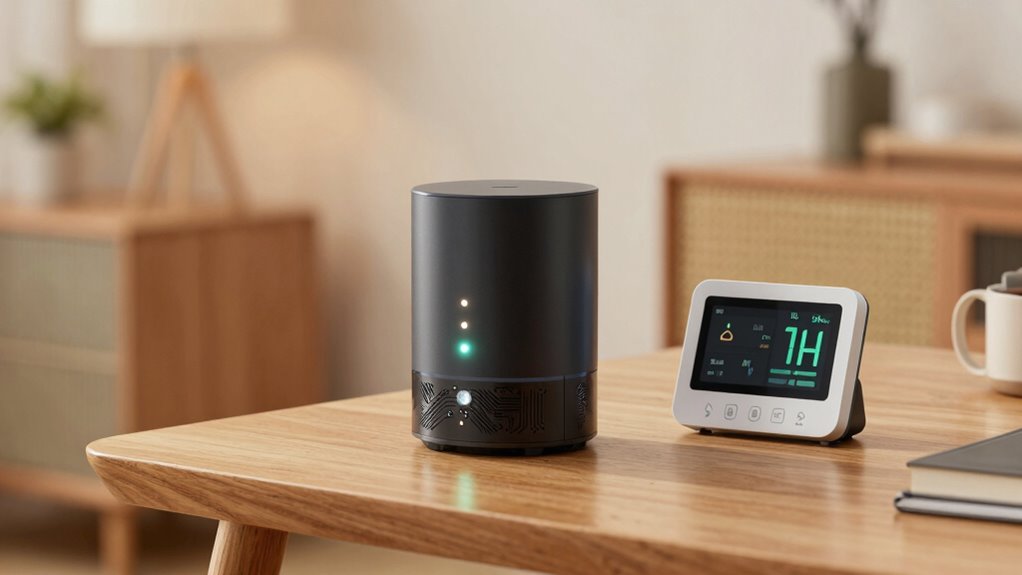

Managing power consumption effectively can significantly cut costs and increase energy independence. For those interested in practical DIY solutions, DIY Home Battery Backup 2026 stands out as a promising project, helping users slash electric bills by up to 70%. Meanwhile, for professionals or serious homeowners, The Homeowner’s Electric Bill Playbook offers actionable tips, though it lacks technical depth. If you’re looking for foundational knowledge, Electric Power System Basics for the Nonelectrical Professional provides a clear overview without overwhelming technical detail. Each option presents its own tradeoffs, balancing technical complexity, cost, and practical utility.

Get audio and creator gear delivered free with Prime
- Fast, free delivery on millions of items
- Prime Video, Amazon Music and more included
- Member-only deals all year
Complete the kit


Key Takeaways
- DIY battery systems can drastically lower electricity bills but require technical skills and time investment.
- Professional energy management guides provide comprehensive strategies but often lack technical details for DIY implementation.
- Homeowner-focused books deliver practical tips with less technical depth, ideal for cost-conscious homeowners.
- Foundational guides for non-electrical professionals are accessible but may omit advanced technical insights.
- Choosing the right resource depends heavily on your technical skill level and specific energy management goals.
| DIY Home Battery Backup 2026: Build Your Powerwall & Slash Electric Bills 70% |  | Best for DIY Enthusiasts | Build Complexity: High | Cost Savings: Up to 70% | Skill Level Needed: Intermediate to Advanced | VIEW ON AMAZON | See Our Full Breakdown |
| Guide to Energy Management, Eighth Edition |  | Best for Professionals & Students | Scope: Energy management principles | Intended Audience: Professionals, students | Depth: High | VIEW ON AMAZON | See Our Full Breakdown |
| The Homeowner’s Electric Bill Playbook: A Practical Guide to Understanding, Controlling, and Lowering Your Energy Costs |  | Best for Cost-Conscious Homeowners | Focus: Cost reduction strategies | Audience: Homeowners | Technical Depth: Low | VIEW ON AMAZON | See Our Full Breakdown |
| HOME POWER Backup Solution Guide: A Complete DIY Manual for Residential Energy Systems |  | Best for Homeowners Interested in DIY Energy Systems | Focus: Backup energy systems | Audience: DIY homeowners | Technical Detail: Moderate | VIEW ON AMAZON | See Our Full Breakdown |
| Electric Power System Basics for the Nonelectrical Professional |  | Best for Non-Technical Professionals | Audience: Non-electrical professionals | Technical Depth: Low to Moderate | Content Type: Book | VIEW ON AMAZON | See Our Full Breakdown |
| power consumption guide | Audience |
|---|---|
| DIY Home Battery Backup 2026: | — |
| Guide to Energy Management | — |
| The Homeowner’s Electric Bill | Homeowners |
| HOME POWER Backup Solution Gui | DIY homeowners |
| Electric Power System Basics f | Non-electrical professionals |
More Details on Our Top Picks
DIY Home Battery Backup 2026: Build Your Powerwall & Slash Electric Bills 70%
This guide is ideal for those willing to invest time and effort into building a home battery system. It provides step-by-step instructions to create a powerwall capable of significantly lowering energy costs. Compared with other options, it offers a tangible, hands-on approach to energy independence. However, it presumes a certain level of technical skill and may lack detailed compatibility info, making it less suitable for beginners or those seeking a quick solution. The main tradeoff here is between DIY cost savings and the complexity of installation.
Pros:- Potential to lower electric bills by up to 70%
- Empowers DIY enthusiasts with practical skills
- Supports increased energy independence
Cons:- Requires technical knowledge and DIY skills
- No detailed specifications or compatibility info
- Initial setup may be time-consuming
Best for: DIYers with technical skills seeking to reduce their electric bills substantially.
Not ideal for: Users without DIY experience or those preferring ready-made solutions.
- Build Complexity:High
- Cost Savings:Up to 70%
- Skill Level Needed:Intermediate to Advanced
- Material Cost:Variable
- Compatibility Info:Limited
- Time Investment:Moderate to High
Our verdict“A powerful choice for technically skilled users aiming for maximum savings through DIY energy storage.”
Guide to Energy Management, Eighth Edition
This book covers broad principles of energy management, making it ideal for those seeking a solid theoretical foundation. Compared to more practical guides, it offers comprehensive coverage of systems and strategies, but it doesn’t focus on actionable DIY steps. The lack of specific features or user reviews means it’s better suited for readers who want a detailed understanding of energy systems rather than immediate implementation. Its main advantage is current, well-organized information for professionals or serious students.
Pros:- Comprehensive coverage of energy management principles
- Ideal for professionals and students
- Updated with current practices
Cons:- No specific features or practical applications
- No customer reviews or ratings available
- Less focus on DIY or immediate cost savings
Best for: Energy professionals, students, or those seeking theoretical insights.
Not ideal for: Homeowners looking for quick, practical tips or DIY solutions.
- Scope:Energy management principles
- Intended Audience:Professionals, students
- Depth:High
- Updates:Latest practices included
- Practical Application:Limited
- Format:Textbook
Our verdict“A detailed resource for understanding energy systems at a theoretical level, not for quick fixes.”
The Homeowner’s Electric Bill Playbook: A Practical Guide to Understanding, Controlling, and Lowering Your Energy Costs
This book offers straightforward strategies for homeowners to grasp and reduce their electric bills. It’s practical, focusing on actionable tips rather than technical details, making it accessible for most homeowners. Compared with more technical guides, it simplifies complex concepts into manageable steps. However, it may lack depth for those interested in detailed energy system design or advanced techniques. Its main strength is its practicality, though it’s less suited for users looking for technical or DIY build guidance.
Pros:- Practical energy-saving tips
- Helps homeowners understand their bills
- Easy to implement strategies
Cons:- No technical details or specifications
- Content may be too basic for advanced users
- Focuses mainly on cost reduction, not system design
Best for: Homeowners seeking easy-to-understand energy-saving tips.
Not ideal for: Users interested in technical details or DIY energy projects.
- Focus:Cost reduction strategies
- Audience:Homeowners
- Technical Depth:Low
- Ease of Use:High
- Content Format:Guide
- Practical Tips:Numerous
Our verdict“An excellent resource for homeowners wanting simple, actionable ways to lower energy costs.”
HOME POWER Backup Solution Guide: A Complete DIY Manual for Residential Energy Systems
This manual covers the essentials for selecting, installing, and maintaining residential energy systems designed for backup power. Compared with other guides, it emphasizes practical DIY installation and maintenance, making it suitable for homeowners with some technical background. However, it doesn’t include specific product specs or detailed technical data, which could be a drawback for those seeking comprehensive technical guidance. It strikes a good balance for those wanting reliable backup solutions but requiring some technical competence.
Pros:- Comprehensive DIY guidance
- Focuses on reliable energy backup solutions
- Practical for homeowners
Cons:- No specific product features or specs
- May require technical knowledge
- Limited technical detail
Best for: Homeowners interested in DIY energy backup solutions.
Not ideal for: Users without technical skills or those seeking detailed technical specifications.
- Focus:Backup energy systems
- Audience:DIY homeowners
- Technical Detail:Moderate
- Ease of Use:Moderate
- Guidance Type:Manual
- Content Focus:Installation and maintenance
Our verdict“A practical guide for DIY homeowners seeking reliable backup energy systems, though it lacks detailed technical data.”
Electric Power System Basics for the Nonelectrical Professional
This book offers a clear, accessible overview of electric power systems tailored for readers without an electrical background. It simplifies complex concepts, making it easier to understand fundamental power system operations and components. Compared with technical manuals, it omits advanced details, which can be a limitation for those seeking in-depth technical knowledge. Nonetheless, it provides a solid foundation for making informed decisions or understanding energy systems without requiring specialized training.
Pros:- Accessible language and explanations
- Provides a solid foundational overview
- Ideal for non-technical professionals
Cons:- Lacks detailed technical depth
- No multimedia or digital content
- Limited insights into complex systems
Best for: Non-electrical professionals wanting a basic understanding of power systems.
Not ideal for: Advanced users or those seeking detailed technical specifications.
- Audience:Non-electrical professionals
- Technical Depth:Low to Moderate
- Content Type:Book
- Coverage:Basic power system concepts
- Format:Text
- Practicality:High
Our verdict“A practical, easy-to-understand guide for non-electrical professionals needing foundational knowledge.”

How We Picked
Our selection process focused on practical relevance, clarity, and the balance between technical depth and accessibility. We prioritized products that directly assist with reducing power consumption or understanding energy systems, evaluating their usefulness for different user types—from DIY enthusiasts to professionals. We compared the scope, ease of use, and actionable insights, ensuring each guide fills a distinct role. Tradeoffs such as technical complexity versus practical advice were carefully considered to match a variety of buyer needs.
| power consumption guide | Audience |
|---|---|
| DIY Home Battery Backup 2026: | — |
| Guide to Energy Management | — |
| The Homeowner’s Electric Bill | Homeowners |
| HOME POWER Backup Solution Gui | DIY homeowners |
| Electric Power System Basics f | Non-electrical professionals |
Factors to Consider When Choosing Power Consumption Guide
Choosing the right guide for power consumption management depends on your technical skills, budget, and specific goals. Whether you want to build a DIY energy storage system, understand energy management principles, or simply reduce your electricity bills, different resources serve different needs. This guide helps you narrow down your options by clarifying what each product offers and who it’s best suited for.Assess Your Technical Skills
If you possess DIY skills or are willing to learn, guides like DIY Home Battery Backup 2026 can help you save money and increase independence. For those with limited technical background, books like Electric Power System Basics for the Nonelectrical Professional provide a digestible overview without overwhelming detail.
Define Your Goals
Are you aiming for cost savings, system understanding, or backup power? Cost-conscious homeowners benefit from practical books such as The Homeowner’s Electric Bill Playbook. Professionals or students seeking in-depth knowledge should consider Guide to Energy Management for a comprehensive understanding of energy strategies and systems.
Consider the Level of Detail Needed
Technical guides that include specifications and detailed instructions are ideal for experienced users, while basic overviews or practical tips work best for beginners or casual users. Think about your comfort level with technical information and choose accordingly.
Frequently Asked Questions
Can I build a DIY home battery system without technical skills?
Building a home battery system requires a certain level of technical knowledge, including electrical wiring and system integration skills. While guides like DIY Home Battery Backup 2026 offer step-by-step instructions, complete novices might find it challenging without prior experience or assistance. It’s important to assess your skill level and consider safety precautions before attempting such projects.
Are these guides suitable for complete beginners interested in energy management?
Most of these guides, especially the practical books, are designed to be accessible for beginners. The Homeowner’s Electric Bill Playbook provides straightforward tips without technical jargon, making it ideal for those just starting to understand their energy consumption. More technical resources like Guide to Energy Management are better suited for users with some background or professional interests.
Which guide offers the best balance between technical detail and ease of use?
Electric Power System Basics for the Nonelectrical Professional strikes a good balance by providing essential technical knowledge in an accessible format. It offers enough depth to help understand power systems without overwhelming technical complexity, making it suitable for non-experts seeking foundational insight.
Is there a resource that combines practical tips with technical guidance?
Combined practical and technical insights are rare in a single resource. For DIY projects, HOME POWER Backup Solution Guide offers practical guidance on installation and maintenance, while for technical understanding, the Guide to Energy Management provides comprehensive principles. Typically, users will need to consult multiple resources to cover both aspects effectively.
How important is it to choose a guide tailored to my specific goals?
Very important. Selecting a guide aligned with your goals—whether cost reduction, technical learning, or backup power—ensures you get relevant advice and avoid frustration. For example, DIY enthusiasts should look for detailed, actionable instructions, while homeowners seeking quick savings may prefer straightforward tips. Clarifying your priorities helps you choose the most effective resource.
Conclusion
For DIYers and energy enthusiasts, DIY Home Battery Backup 2026 provides the tools to save substantially but demands technical skills. Homeowners primarily interested in reducing bills should consider The Homeowner’s Electric Bill Playbook for practical, easy-to-implement strategies. Professionals or those seeking a broad understanding of energy principles will benefit most from Guide to Energy Management, while non-electrical professionals aiming for foundational knowledge will find Electric Power System Basics most suitable. The key is aligning your technical comfort level and specific energy goals with the right resource to maximize benefits.
Halloween Picks
halloween
As an affiliate, we earn on qualifying purchases.