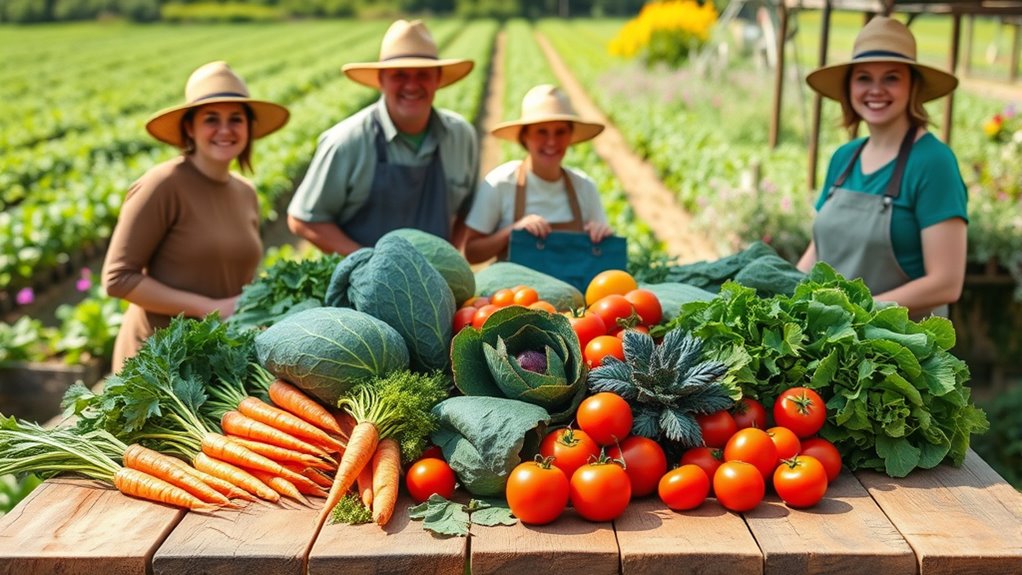

Choosing local farm-to-table options helps support your community’s health by providing fresh, nutrient-rich foods that retain more vitamins and flavor. It also promotes sustainable farming practices that protect the environment and conserve resources. By buying directly from farmers, you encourage economic resilience and transparency about food origins. This connection fosters awareness about health and sustainability, making your food choices more meaningful. Keep exploring how these practices can positively impact your community and well-being.
Key Takeaways
- Connects residents with fresh, locally grown food that maintains higher nutritional value.
- Promotes healthier eating habits through access to organic, preservative-free produce.
- Supports community resilience and economic growth by strengthening local farming networks.
- Encourages education about sustainable food practices and healthy lifestyle choices.
- Reduces environmental impact by decreasing food transportation, packaging, and chemical use.
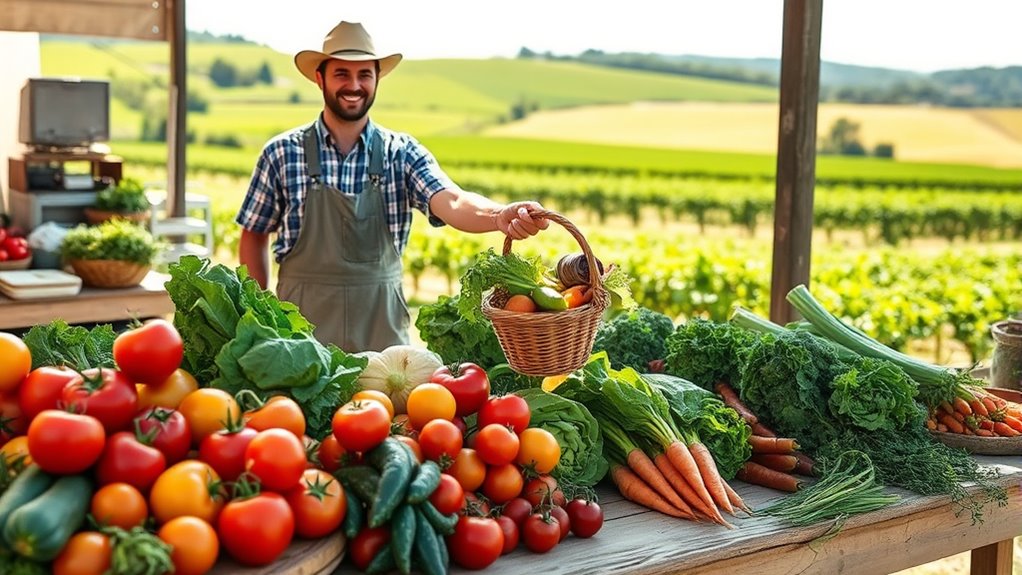
Farm-to-table initiatives are transforming community health by connecting residents directly with fresh, locally grown food. When you participate in these programs, you’re not just getting nutritious produce; you’re supporting sustainable agriculture that prioritizes environmentally friendly practices. Sustainable agriculture involves methods that protect the land, conserve water, and reduce chemical use, ensuring that the food you eat is safe and grown responsibly. By choosing locally sourced food, you help foster local food movements that promote community resilience and economic growth. These movements encourage farmers to adopt sustainable practices because they see a direct link between their work and the health of their community.
When you buy from local farmers or through farm-to-table programs, you’re getting fresher food that retains more nutrients. Unlike produce transported over long distances, which often loses flavor and nutritional value, local food is harvested at peak ripeness and delivered quickly. This freshness means you’re consuming more vitamins and minerals, contributing to better overall health. Plus, local food tends to be free from preservatives and excess packaging, reducing your exposure to unnecessary additives.
Supporting local food movements also means you’re helping to build a more equitable food system. These initiatives often emphasize transparency, allowing you to know exactly where your food comes from and how it’s produced. This knowledge empowers you to make healthier choices and promotes trust in the food supply chain. Furthermore, buying locally helps small-scale farmers thrive, ensuring that farmland stays active and productive, which is crucial for maintaining the local landscape and biodiversity.
Farm-to-table programs often foster a sense of community by creating direct relationships between consumers and farmers. When you visit a farmers’ market or participate in a farm share, you’re engaging in conversations about food, sustainability, and health. This connection encourages more conscious eating habits and a greater appreciation for the effort behind your meals. It also educates you on the importance of supporting practices that sustain the environment, such as crop rotation, organic farming, and water conservation.
Finally, by choosing local food options, you contribute to reducing the carbon footprint associated with food transportation and packaging. This shift supports a more sustainable way of feeding communities, ensuring that future generations can enjoy healthy, plentiful food. Your involvement in local food movements demonstrates a commitment to environmental stewardship and community well-being, making your food choices part of a larger movement toward sustainability. Additionally, supporting local foods can help promote color accuracy and freshness, which enhances overall food quality and enjoyment. Essentially, supporting local farm-to-table initiatives is a powerful way to enhance both your health and the health of your community.
Frequently Asked Questions
How Do Local Farms Ensure Sustainable Farming Practices?
You can guarantee sustainable farming practices by implementing crop rotation, which helps maintain soil health and reduce pests naturally. Additionally, water conservation techniques, like drip irrigation and rainwater harvesting, minimize water waste. By adopting these methods, you support long-term farm productivity and protect the environment. Staying mindful of resource use and practicing sustainable methods allows you to contribute to a healthier community and a more resilient food system.
What Are the Economic Benefits for Local Farmers?
Ever wondered how local farmers boost their income? By joining farmer cooperatives, you can access better markets and share resources, increasing profitability. Crop diversification helps you reduce risks and meet diverse customer demands, leading to steadier earnings. These strategies also lower costs and improve bargaining power. As a result, you enjoy more financial stability, grow your farm sustainably, and contribute to your community’s economy. Isn’t that a win-win?
How Can Consumers Get Involved in Farm-To-Table Initiatives?
You can support farm-to-table initiatives by engaging in community events, visiting local farmers’ markets, and joining Community Supported Agriculture (CSA) programs. Ask farmers about their organic certification and sustainable practices to guarantee you’re supporting healthy, eco-friendly food sources. Your active participation fosters community engagement, strengthens local farms, and promotes transparency in food production, ultimately benefiting your health and the environment. Small actions make a big difference in building a resilient local food system.
Are There Any Challenges in Maintaining Year-Round Supply?
Maintaining a year-round supply can be challenging due to seasonal shortages and unpredictable weather. You can help by supporting farms that use innovative storage solutions like cold storage or dehydration, which extend freshness beyond harvest. Additionally, buying seasonal produce and preserving excess during peak times guarantees you have access to healthy foods year-round. Staying flexible with your choices and encouraging local producers to adopt new techniques keeps supply steady.
How Does Farm-To-Table Impact Local Food Prices?
You’ll find that farm-to-table often stabilizes local food prices, with studies showing a 15% price premium for fresh, local produce. By enhancing supply chain efficiency and promoting pricing transparency, it can make healthy food more affordable. When you buy directly from farmers, you cut out middlemen, reducing costs. This connection helps keep prices fair and supports community health by making nutritious options accessible for everyone.
Conclusion
By choosing local farm-to-table options, you directly support community health and sustainable agriculture. Imagine visiting a nearby farm, picking fresh vegetables, and knowing you’re nourishing your body while helping local farmers thrive. This simple act strengthens the community, reduces environmental impact, and promotes healthier eating habits. When you embrace farm-to-table, you’re not just making better food choices—you’re investing in a vibrant, resilient neighborhood where everyone can thrive.