

To build resilience and cope with change and adversity, focus on shifting your mindset from seeing setbacks as failures to viewing them as opportunities for growth. Cultivate emotional agility by recognizing and managing your emotions without being overwhelmed, which helps you stay clear-headed and adaptable. Strengthening these skills allows you to face hardships confidently and turn challenges into chances for personal expansion. Keep exploring these strategies to develop a resilient mindset that supports you through life’s twists and turns.
Key Takeaways
- Cultivate a growth mindset to view challenges as opportunities for learning and personal development.
- Practice emotional agility by acknowledging and managing emotions without becoming overwhelmed.
- Develop resilience skills by combining mindset shifts with emotional flexibility for effective coping.
- Reframe setbacks as part of the growth process, reducing their perceived threat and increasing perseverance.
- Focus on controllable factors and next steps to maintain clarity and adaptability during adversity.

Have you ever wondered how some people bounce back quickly from setbacks while others struggle to recover? The secret often lies in their ability to adapt their mindset and develop emotional agility. When faced with adversity, your mindset can either trap you in negativity or propel you toward resilience. Shifting your perspective from viewing obstacles as insurmountable to seeing them as opportunities to learn is a powerful mindset shift. It helps you stay flexible, open-minded, and ready to adjust your approach. Emotional agility, on the other hand, is about recognizing and managing your emotions without being overwhelmed by them. Instead of suppressing feelings or letting them control you, you learn to observe your emotional responses objectively and respond intentionally. This kind of emotional flexibility is vital when dealing with change, as it allows you to stay centered and make clearer decisions amid chaos.
Building resilience starts with understanding that your mindset and emotional agility are skills you can cultivate. When change happens, instead of resisting or denying it, you can choose to accept it and look for the silver linings. This requires shifting your mindset from a fixed outlook, where you believe your circumstances define your limits, to a growth mindset that sees challenges as opportunities to expand your capabilities. Developing this mindset doesn’t happen overnight, but with consistent effort, you’ll start noticing how your perceptions evolve. You’ll begin to see setbacks not as failures but as part of the growth process, which boosts your confidence and perseverance. Incorporating mental flexibility into your daily practice can further enhance your resilience by helping you adapt more easily to new situations.
Cultivate a growth mindset to turn setbacks into opportunities for personal expansion and resilience.
Emotional agility complements this process by helping you navigate your feelings without being ruled by them. When adversity strikes, it’s natural to feel fear, frustration, or disappointment. Instead of suppressing these emotions, acknowledge them and allow yourself to experience them fully. Then, gently shift your focus toward what you can control and what steps you can take next. This practice keeps you adaptable rather than stuck in negative thought patterns. Over time, you’ll find it easier to stay calm under pressure and make decisions based on clarity rather than emotion.
In essence, building resilience isn’t about avoiding hardship; it’s about developing the mental and emotional tools to face it head-on. Mindset shifts and emotional agility are your foundation. They enable you to view change as a catalyst for growth rather than a threat. As you strengthen these skills, you’ll discover that setbacks become less intimidating, and your ability to recover and thrive grows stronger. Resilience becomes a natural part of how you approach life, empowering you to navigate its inevitable ups and downs with confidence and grace.

Cable Zip Ties,400 Pack Black Assorted Sizes 12+8+6+4 Inch,Multi-Purpose Self-Locking Nylon Cable Cord Management,Plastic Wire Ties for Home,Office,Garden,Workshop. By HAVE ME TD
- Package Includes: 400 assorted black cable ties
- Variety of Sizes: 4, 6, 8, 12 inches
- Tensile Strength: Up to 40 lbs depending on size
As an affiliate, we earn on qualifying purchases.
Frequently Asked Questions
How Can I Build Resilience During Unexpected Life Crises?
To build resilience during unexpected crises, focus on developing emotional agility and adaptive thinking. Recognize and accept your feelings without judgment, then adapt your thoughts to see challenges as opportunities for growth. Stay flexible, focus on what you can control, and seek support when needed. By practicing these skills, you’ll strengthen your ability to bounce back and navigate adversity with greater confidence and resilience.
What Role Does Mindset Play in Overcoming Adversity?
Your mindset plays a vital role in overcoming adversity. A mindset shift towards positivity and growth helps you see challenges as opportunities rather than obstacles. Cultivating mental toughness allows you to stay focused and resilient when faced with setbacks. By developing these qualities, you strengthen your ability to adapt, persevere, and bounce back stronger, turning difficult situations into chances for personal growth and resilience.
Are There Specific Habits That Enhance Resilience?
Think of resilience as a muscle you strengthen daily. Habits like mindfulness practices help you stay present and calm under pressure, while goal setting keeps you focused on your path despite setbacks. For example, dedicating five minutes to meditation each morning can boost your mental clarity. Regularly practicing these habits builds your resilience, making it easier to adapt and bounce back from life’s challenges.
How Does Social Support Influence Resilience Development?
Social support plays a vital role in developing resilience by strengthening community bonding and providing emotional support. When you connect with others, you create a safety net that helps you navigate challenges more effectively. Sharing your feelings and experiences fosters trust and reassurance, making it easier to bounce back from setbacks. This sense of belonging fuels your confidence, resilience, and ability to adapt during tough times.
Can Resilience Be Learned or Improved Over Time?
Yes, resilience can be learned and improved over time. You develop emotional agility by practicing mindfulness and staying flexible in your thinking, which helps you adapt to stress and change. By actively managing stress and embracing challenges, you strengthen your resilience. Consistently working on these skills allows you to better handle adversity, making resilience a skill you can grow and enhance through effort and experience.

Nettbe 60 PCS 6 Inches Reusable Cable Ties, Adjustable Cord Straps Wire Organizer Cord Wrap and Hook Loop Cable Management
- Reusable Nylon Cable Ties: Eco-friendly, durable, reusable design
- Versatile Cord Organizer: Wraps all loose cords easily
- Multi-Use Application: Suitable for home, office, garage, outdoor
As an affiliate, we earn on qualifying purchases.
Conclusion
You might face challenges that shake your confidence, yet each obstacle also offers a chance to grow stronger. Resilience isn’t about avoiding hardships but learning to stand tall amid them. Just as storms reveal the strength of a sturdy tree, adversity reveals your inner power. Embrace change with open arms, knowing that setbacks are just stepping stones. In the end, resilience transforms life’s storms into opportunities, shaping you into someone who not only survives but thrives.

Zip Ties 8 inch (100 Pack), 40lbs Tensile Strength, Black Cable Ties, Wire Ties for indoor and outdoor use, by Skalon
- Length: 8 inches long
- Width: 0.14 inches wide
- Tensile Strength: 40 lbs
As an affiliate, we earn on qualifying purchases.
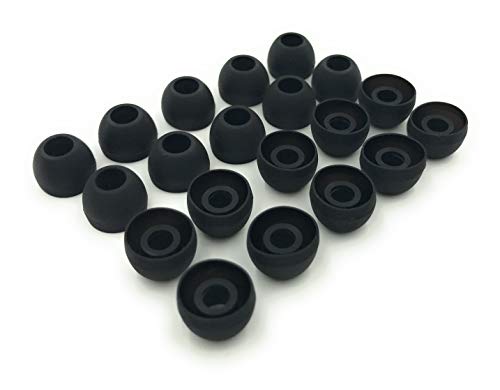
Earbudz 10 Pairs Medium Earbud Tips Silicone Replacement Ear Bud Tips – Black
- Package Includes: 10 pairs of medium black tips
- Size Compatibility: Fits 3.9mm - 4.8mm connectors
- Brand Compatibility: Compatible with various brands and models
As an affiliate, we earn on qualifying purchases.