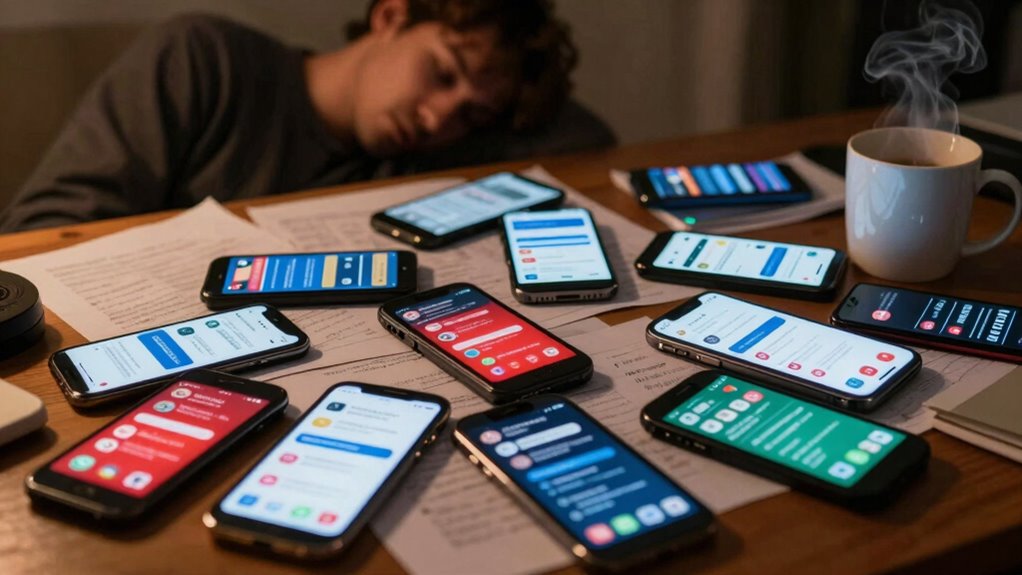

Notification overload feels like a full-time job because constant alerts distract you and trigger dopamine, encouraging immediate checks. Every beep and pop pulls your focus in multiple directions, making it hard to complete meaningful tasks. Your brain becomes overwhelmed managing these interruptions instead of concentrating. By setting boundaries and minimizing notifications, you can reclaim your focus and mental clarity. Keep going to discover simple steps that help you regain control and reduce this digital chaos.

Get audio and creator gear delivered free — and shop member deals
- Fast, free delivery on millions of items
- Access to Prime Big Deal Days deals on October 6–7
- Prime Video, Amazon Music and more included
Key Takeaways
- Constant notifications demand continuous attention, resembling a full-time responsibility to manage and respond.
- The need to prioritize and filter alerts creates ongoing decision-making, mimicking a demanding workload.
- Frequent interruptions break focus, requiring recovery time and mental effort akin to managing a busy schedule.
- Dopamine-driven alerts foster compulsive checking, leading to persistent engagement similar to a demanding job.
- Digital clutter and overload increase stress, making managing notifications feel like an exhausting, full-time task.
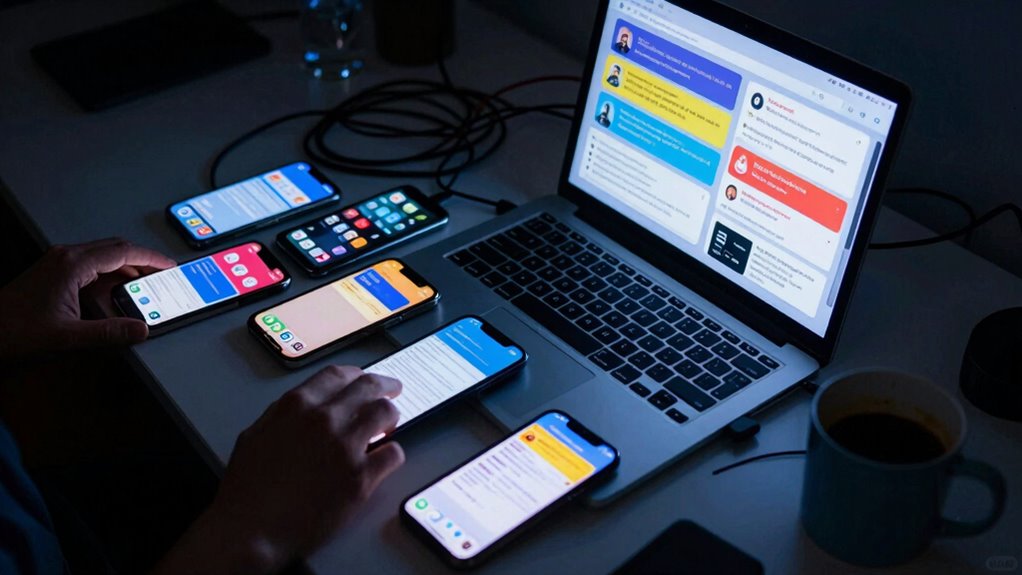
In today’s digital world, notifications bombard you from every device, making it hard to focus or even relax. The constant pinging and flashing pull your attention in dozens of directions, creating a sense of never-ending distraction. This overwhelm can feel like a full-time job, as you find yourself constantly managing alerts rather than accomplishing meaningful tasks. It’s no wonder that many people turn to digital minimalism as a way to regain control. By consciously reducing the number of notifications and simplifying your digital environment, you can start to prioritize what truly matters. Digital minimalism isn’t about cutting out technology altogether but about making intentional choices to minimize unnecessary interruptions.
Your focus strategies become vital when trying to combat notification overload. Instead of reacting to every alert, you learn to set boundaries—such as turning off non-essential notifications or scheduling specific times to check messages. This approach helps you reclaim chunks of undisturbed time, allowing you to dive deeper into work or enjoy moments of relaxation without constant interruption. It might feel uncomfortable at first, especially if you’re used to being plugged in all the time, but the benefits quickly become clear. With fewer distractions, your ability to concentrate improves, and you start to feel more in control of your day. Recognizing the role of digital environment in shaping your habits can help you design more mindful routines. Being aware of how notifications trigger dopamine responses influences your behavior can also empower you to develop healthier habits. Additionally, understanding how digital clutter impacts mental clarity can motivate you to declutter your digital space and create a more focused environment. Incorporating focus strategies like setting specific boundaries can further enhance your mental clarity and overall well-being.
Managing notifications effectively also involves understanding how different alerts impact your mental state. Some notifications are designed to grab your attention and trigger dopamine responses, making you want to check them immediately. Recognizing this manipulation helps you resist the urge to respond right away. Instead, you can implement focus strategies like using “Do Not Disturb” modes or app timers to limit exposure. These techniques serve as digital boundaries, giving you space to think clearly and work efficiently. Over time, you develop a healthier relationship with your devices, where technology enhances rather than hinders your productivity and well-being. Being aware of notification overload can help you identify the core problem and take targeted actions to address it.
As an affiliate, we earn on qualifying purchases.
Frequently Asked Questions
How Does Notification Overload Impact Mental Health Long-Term?
Notification overload can considerably impact your mental health long-term by increasing stress and anxiety levels. Constant interruptions make it hard to focus and can lead to feelings of overwhelm, contributing to burnout. Over time, this persistent stress affects your overall well-being, making you more prone to depression and fatigue. To protect your mental health, set boundaries, limit notifications, and take regular breaks from digital devices.
What Are the Best Tools to Manage Notification Settings Effectively?
You can manage notification settings effectively by using tools like your device’s built-in notification customization options and third-party apps. Prioritize alerts from essential contacts or apps, and mute or silence non-urgent notifications. Many platforms allow you to set focus modes or schedules, helping you control when and how you receive alerts. These tools help reduce distraction, improve focus, and prevent notification overload from taking over your day.
Can Notification Overload Affect Productivity and Focus?
Ironically, notification overload can turn your day into a chaotic digital detox. Instead of boosting productivity, constant alerts break your focus, making it harder to complete tasks. To regain control, use focus techniques like scheduled breaks and silencing non-essential notifications. These strategies help you concentrate better, proving that managing your digital environment is key to staying productive and avoiding the trap of endless interruptions.
Are There Specific Apps That Help Reduce Notification Stress?
Yes, there are apps designed to reduce notification stress. Many offer app customization, allowing you to filter or mute unnecessary alerts, helping you regain focus. Apps like Forest or Freedom incorporate focus techniques by blocking distracting notifications or websites during work sessions. You can tailor these tools to your needs, ensuring only essential alerts come through, making it easier to stay productive and reduce the overwhelm caused by constant notifications.
How Can Workplaces Reduce Notification Fatigue Among Employees?
Workplaces can reduce notification fatigue by implementing clear policies that limit unnecessary alerts and encourage focused work periods. You should also prioritize employee training on managing notifications effectively, emphasizing when and how to respond. By fostering a culture that values deep work and respects boundaries, you help employees stay engaged without feeling overwhelmed, ultimately boosting productivity and well-being across the team.
As an affiliate, we earn on qualifying purchases.
Conclusion
You’re caught in a whirlwind of pings and buzzes, each one a tiny tap on your attention, pulling you away from focus like a relentless tide. It’s easy to feel like you’re drowning in a sea of notifications, each one vying for your time. But remember, you hold the anchor. Cut the noise, reclaim your rhythm, and let your mind breathe free—because peace isn’t just a pause; it’s the calm beneath the chaos.
As an affiliate, we earn on qualifying purchases.
As an affiliate, we earn on qualifying purchases.
Fall Picks
fall essentials
As an affiliate, we earn on qualifying purchases.