

Algorithms shape what you like by analyzing your clicks and likes, creating a personalized experience that reinforces existing preferences. This digital curation can limit exposure to diverse cultural expressions, shaping your taste and identity over time. Popular trends and mainstream narratives often dominate, reducing authenticity and narrowing your cultural perspective. Recognizing these influences can help you resist passive consumption and seek out authentic voices—if you want to understand how your digital environment impacts your cultural identity, there’s more to discover.

Get audio and creator gear delivered free with Prime
- Fast, free delivery on millions of items
- Prime Video, Amazon Music and more included
- Member-only deals all year
Key Takeaways
- Algorithms tailor content to reinforce existing tastes, limiting exposure to diverse cultural expressions and shaping individual identity.
- Personalized feeds create curated cultural identities that can diminish authenticity and deepen comfort zones.
- Mainstream algorithmic prioritization fosters cultural homogenization, overshadowing niche and authentic voices.
- Digital environments often promote passive consumption, reducing curiosity and exploration of unfamiliar cultural perspectives.
- Critical engagement and seeking diverse content can counteract algorithmic bias, preserving cultural richness and authenticity.
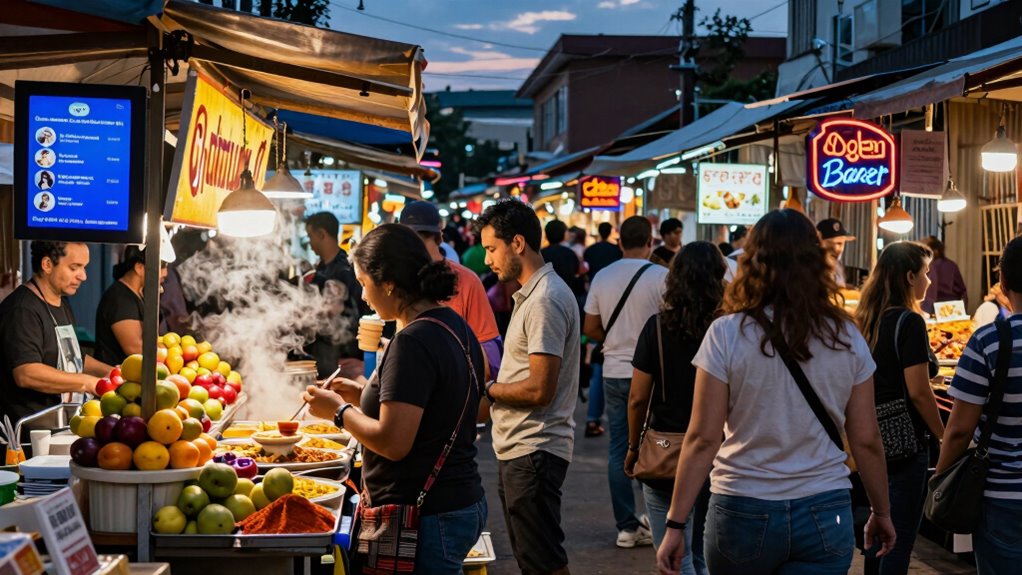
In a world where algorithms increasingly shape what we see and consume, your taste and identity are more intertwined with technology than ever before. Every time you scroll through social media, stream a playlist, or browse for new cuisine, digital personalization tailors content specifically for you. These algorithms analyze your clicks, likes, and interactions to serve up what they think you’ll enjoy, creating a feedback loop that reinforces your preferences. But while this customization feels like a convenience, it also subtly influences your sense of taste, narrowing your exposure and shaping your cultural identity. Instead of discovering new perspectives, you might find yourself stuck in a bubble of familiar content, where your interests are constantly validated but rarely challenged.
Digital algorithms shape your taste, reinforcing familiarity while limiting exposure to diverse perspectives and authentic cultural expressions.
The pursuit of digital personalization often comes at the expense of cultural authenticity. As algorithms prioritize what’s popular or trending, they tend to favor mainstream narratives over diverse voices. This can lead to a homogenization of cultural expressions, where local traditions or niche interests struggle to gain visibility. You might notice this when certain music genres, foods, or fashion styles dominate your feeds, giving the impression that these are the only authentic options. Yet, true cultural authenticity is rooted in nuance and context—elements that algorithms, which rely on data patterns, often overlook. When algorithms prioritize what’s most immediately engaging, they risk diluting the depth of cultural identity, reducing it to easily digestible snippets that fit within the digital mainstream. Recognizing the influence of cultural homogenization can help you seek out more authentic and diverse content.
Your taste becomes a reflection of the algorithm’s understanding, which can be both empowering and limiting. While it helps you discover content tailored to your preferences, it also encourages a passive consumption pattern that may stifle your curiosity. As algorithms continue to learn from your behavior, they reinforce your existing preferences, making it harder to break free and explore unfamiliar or challenging cultural expressions. This dynamic raises questions about authenticity—whether what you see online truly represents your identity or if it’s shaped by what algorithms think you want. The more you rely on digital personalization, the more your cultural identity risks becoming a curated version, designed not just by your choices but by the data-driven systems that predict them. Recognizing that algorithms often promote mainstream narratives can help you actively seek out diverse voices and maintain cultural richness. Developing a conscious awareness of how algorithmic bias influences content can further aid in fostering a more genuine connection to authentic cultural expressions.
Furthermore, critically engaging with your digital environment and understanding the data-driven systems behind content recommendation can empower you to make more conscious choices. By developing a more discerning approach, you can mitigate the effects of algorithmic bias and foster a more authentic connection to cultural expressions. Ultimately, the collision of taste, identity, and algorithms calls for awareness. Recognizing that your digital environment influences your cultural authenticity is the first step toward intentional exploration. If you want to preserve the richness of diverse traditions and authentic voices, you’ll need to seek out content beyond your usual bubbles, challenging the limits set by algorithms and embracing the complexity of human culture.
personalized content filter for social media
As an affiliate, we earn on qualifying purchases.
As an affiliate, we earn on qualifying purchases.
Frequently Asked Questions
How Do Algorithms Influence Personal Taste Over Time?
Algorithms shape your personal taste over time through machine learning and personal profiling. As you interact with content, these systems analyze your preferences, adjusting recommendations to match your evolving interests. This continuous feedback loop means your taste becomes more aligned with what algorithms predict you’ll enjoy, often reinforcing existing preferences. Over time, this personalized curation influences your choices, subtly guiding your sense of style, music, or food based on your digital footprints.
Can Taste Preferences Truly Be Objective or Are They Entirely Subjective?
Taste preferences are largely subjective because sensory perception varies from person to person, influenced by personal biases. While some argue for objectivity through shared standards like culinary science, your individual experiences, culture, and memories shape what you enjoy. These factors create a unique taste landscape, making true objectivity nearly impossible. Instead, your preferences reflect a complex interplay of personal biases and sensory perception, which evolve over time.
How Do Cultural Identities Shape Algorithm-Driven Recommendations?
Think of algorithms as mirrors reflecting your cultural biases and identity filters—shaping what content you see and love. Your cultural background influences these recommendations more than you realize, creating a personalized echo chamber. This collision between algorithms and identity deepens your connection to familiar tastes, reinforcing cultural narratives. As you explore, remember that these filters can both comfort and limit, reminding you that your cultural identity is a powerful lens shaping your digital world.
Are There Ethical Concerns With Algorithms Manipulating Taste?
Yes, there are ethical concerns with algorithms manipulating taste. You might worry about algorithm transparency, as it’s often unclear how recommendations are made. This opacity can undermine your consumer autonomy, making you less aware of how your preferences are shaped. When algorithms subtly influence your choices without clear explanations, it raises questions about fairness and control, emphasizing the need for more transparent practices that respect your independence and preserve trust.
How Do Individual Differences Affect Algorithmic Taste Predictions?
Your personal biases and sensory variability substantially influence how algorithms predict your taste. Because everyone experiences flavors and preferences differently, algorithms may not always accurately reflect your unique palate. Your past experiences, cultural background, and mood shape your taste choices, making it challenging for algorithms to perfectly match your preferences. To improve accuracy, algorithms need to account for these individual differences, but they often overlook the nuanced ways personal biases influence taste.
As an affiliate, we earn on qualifying purchases.
Conclusion
You realize that as algorithms shape your choices, they unknowingly mirror your deepest tastes and identity. It’s a strange coincidence how your preferences become both your reflection and your influence, blurring the lines between who you are and what’s presented to you. In this dance of data and desire, you start to wonder: are you truly the chooser, or just a participant in a carefully curated game? Maybe, in it all, you find a glimpse of yourself.
As an affiliate, we earn on qualifying purchases.
algorithm-free streaming service
As an affiliate, we earn on qualifying purchases.
As an affiliate, we earn on qualifying purchases.
Fall Picks
fall essentials
As an affiliate, we earn on qualifying purchases.