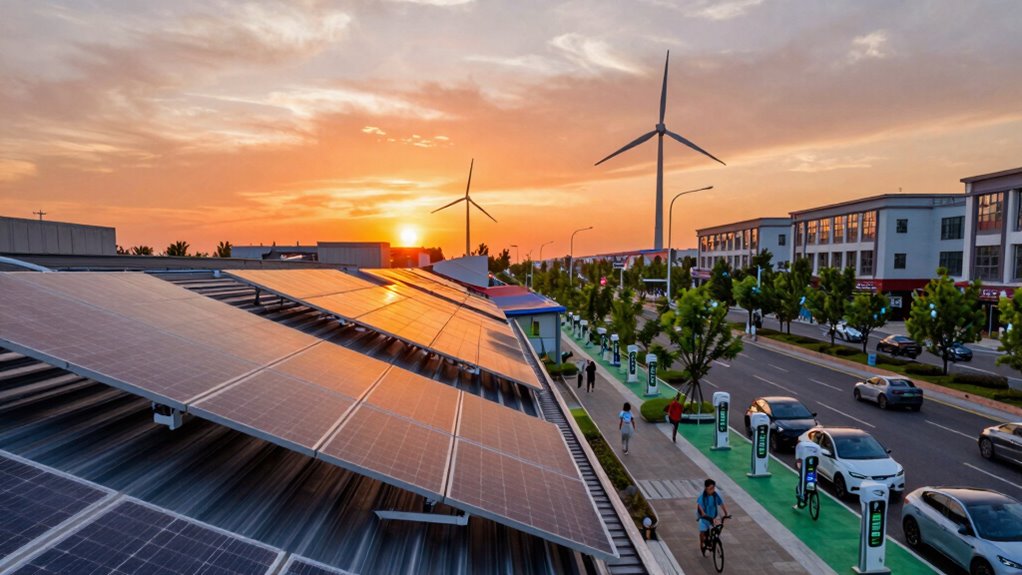

Energy shift news goes beyond fuel prices because it highlights major shifts in technology, policies, and societal values focused on building a sustainable and resilient future. You see innovations like better solar panels, larger wind turbines, and improved batteries, along with policies promoting clean energy. These changes influence how we produce and consume energy, offering more options and stability. Staying informed helps you understand the broader goals of environmental responsibility and economic growth, and there’s more to explore beneath the surface.

Get audio and creator gear delivered free with Prime
- Fast, free delivery on millions of items
- Prime Video, Amazon Music and more included
- Member-only deals all year
Key Takeaways
- The energy transition involves technological advancements that improve renewable efficiency, not just changes in fuel prices.
- Policy shifts support infrastructure and innovation, shaping the broader energy landscape beyond immediate fuel costs.
- Public awareness and industry responses accelerate adoption, emphasizing sustainability and environmental responsibility.
- The transition aims for energy security, economic growth, and resilience, extending beyond short-term fuel price fluctuations.
- Understanding the transition helps interpret energy news as part of a comprehensive shift toward sustainable and equitable systems.
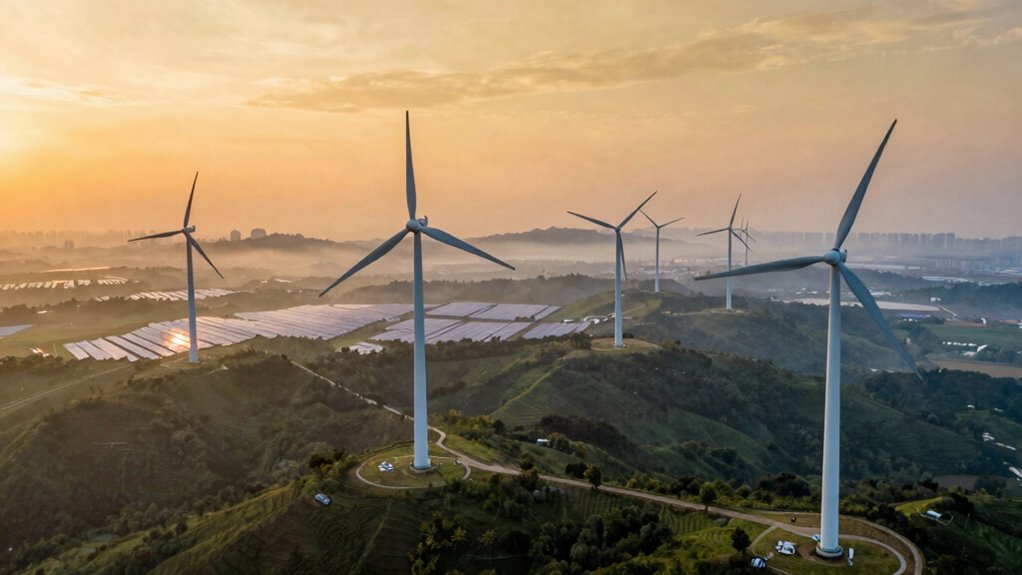
The energy landscape is rapidly shifting as countries worldwide accelerate their change toward cleaner, renewable sources. This transformation isn’t just about fluctuating fuel prices; it’s about a fundamental overhaul of how energy is produced, consumed, and integrated into daily life. You might think that rising or falling fuel costs are the main story, but the real story lies in the innovations and policy decisions driving this change. Renewable innovation is at the core, with new technologies making renewable energy sources more efficient, affordable, and accessible. Solar panels are becoming more powerful and less expensive, wind turbines are scaling up, and battery storage solutions are improving, allowing for more reliable energy supply even when the sun isn’t shining or the wind isn’t blowing. These technological advancements are reshaping the energy landscape, giving consumers and industries alike more options and greater confidence in renewable sources. Additionally, the development of energy storage solutions plays a crucial role in managing the intermittent nature of renewable energy, ensuring a steady supply regardless of weather conditions. As these innovations advance, they are increasingly supported by policy shifts, which are essential to accelerating the transition. A deeper understanding of renewable energy technologies reveals how innovation is making sustainable solutions more practical and widespread. Moreover, public awareness is growing about the importance of adopting cleaner energy choices, further fueling policy support and technological development. Simultaneously, policy shifts are accelerating this evolution. Governments worldwide recognize the importance of reducing carbon emissions and are enacting policies that promote clean energy. These include subsidies for renewable projects, stricter emissions standards, and commitments to phase out fossil fuels. Such policies don’t just influence prices at the pump or the cost of electricity; they set a clear direction for investments and infrastructure development. You see this in the form of new regulations that encourage renewable integration into national grids, incentives for electric vehicle adoption, and international agreements that push for a decarbonized future. These policy shifts create a stable environment for renewable innovation to flourish, ensuring that clean energy becomes a viable alternative to traditional fossil fuels. Understanding why energy transition news is about more than fuel prices helps you see the bigger picture. It’s about the continuous push for sustainable solutions, driven by technological breakthroughs and proactive policy measures. This isn’t just an economic story; it’s about environmental responsibility, energy security, and economic growth. When you tune into energy news, look beyond the immediate price changes. Pay attention to the innovations that are making renewables more practical and the policies pushing industries and consumers toward cleaner options. Together, these elements signal a profound shift—one that’s shaping a future where energy is not only more sustainable but also more resilient and equitable. This change is complex, but understanding its driving forces helps you grasp why energy news is about much more than just fuel prices.
Popular right now

Vitamix Propel Series 750 Professional-Grade Blender, 4 Programs, Black

Dyson Airwrap i.d. Multi-Styler for Straight and Wavy Hair

Vitamix 5200 Professional-Grade Blender, 64 oz. Container, Black
As an affiliate, we earn on qualifying purchases.
Frequently Asked Questions
How Does Energy Transition Impact Job Markets Globally?
You’ll see energy shift cause significant workforce shifts globally, as industries move toward cleaner energy sources. This change creates new job opportunities in renewable sectors but also requires skill development for workers moving from traditional energy jobs. You might need to learn new skills to stay relevant, and governments will play a vital role in supporting this change. Overall, energy shift shapes job markets by driving innovation and demanding adaptability.
What Are the Environmental Benefits Beyond Reducing Fuel Prices?
Imagine clearing a foggy window—improving air quality and climate resilience. Shifting to cleaner energy reduces harmful emissions, leading to better air quality worldwide. This change also bolsters climate resilience, helping communities withstand extreme weather. Beyond saving money, you contribute to healthier lungs and a safer planet. The environmental benefits extend far beyond fuel prices, creating a cleaner, more sustainable future for everyone.
How Do Policy Changes Influence Renewable Energy Adoption?
Policy incentives directly boost renewable energy adoption by making clean energy projects more financially attractive, encouraging investment and development. They also influence market dynamics by creating favorable conditions for renewable technologies to compete with traditional fuels. When policies support renewables, you’ll see increased innovation, job creation, and faster shift to sustainable energy sources. Ultimately, policy changes shape the economic landscape, accelerating your move to cleaner, more resilient energy solutions.
What Role Do Technological Innovations Play in Energy Transition?
Technological innovations like advanced solar technology and grid modernization play a pivotal role in your energy shift journey. Solar technology improves efficiency, making renewable energy more affordable and accessible. Grid modernization enhances energy distribution, enabling better integration of renewable sources and reducing outages. These innovations empower you to adopt cleaner energy solutions, promote sustainability, and support a resilient, efficient energy system that adapts to future demands.
How Are Developing Countries Managing Energy Transition Challenges?
Imagine a fragile bridge representing developing countries’ energy shift. You see, they manage challenges by prioritizing energy access and infrastructure development. You help facilitate this growth by investing in renewable energy projects, improving grid systems, and ensuring equitable energy distribution. Through these efforts, you empower communities, reduce reliance on fossil fuels, and support sustainable development, making the shift smoother and more inclusive for everyone involved.
Conclusion
You see, energy shift news isn’t just about fuel prices—it’s about shaping a sustainable future for everyone. By understanding the bigger picture, you realize that every step toward cleaner energy impacts the economy, environment, and your daily life. Don’t miss the forest for the trees; the real story is how these changes pave the way for a brighter, more resilient world. Staying informed helps you see the full scope and be part of the solution.