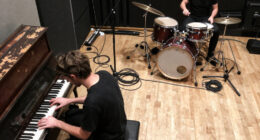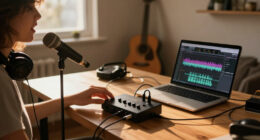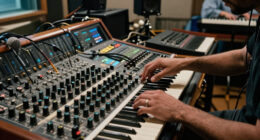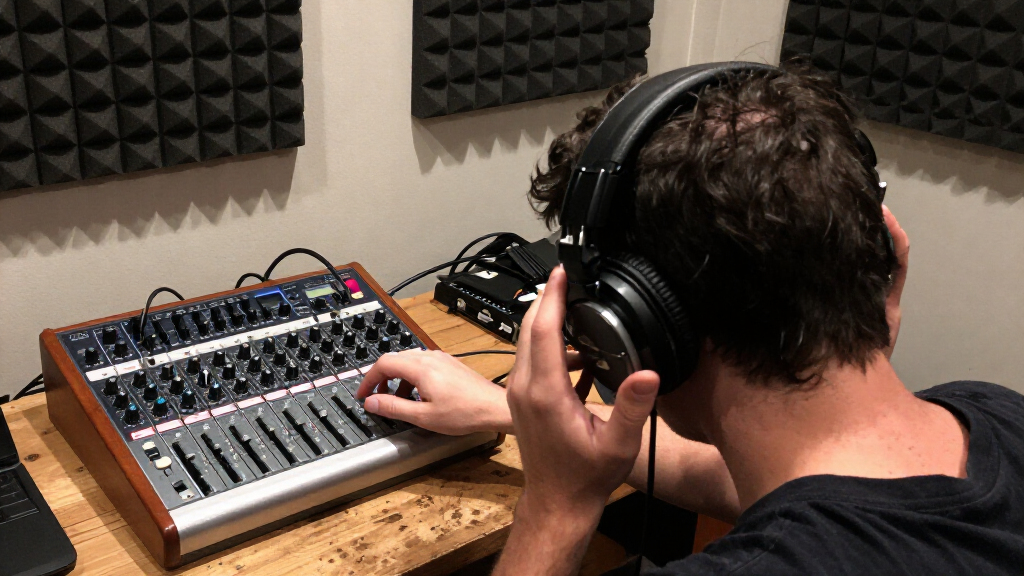

For most musicians, the Vic Firth SIH3 is my best overall pick because its passive isolation is aimed at loud practice and drumming, where reducing stage or kit noise matters more than electronic noise cancellation. The Audio-Technica ATH-M20x is a straightforward wired choice for studio monitoring, while the Marshall Monitor III A.N.C. suits musicians who want wireless listening and active noise cancellation away from the studio. The main tradeoff is between isolation, which can help protect focus around loud instruments, and active noise cancellation, which is generally better at reducing steady background noise than sudden musical sounds. Fit, connection type, and whether you need to hear an accurate mix also matter. Read on for the full breakdown of all 14 options and the best match for your practice, recording, or listening setup.

Get audio and creator gear delivered free with Prime
- Fast, free delivery on millions of items
- Prime Video, Amazon Music and more included
- Member-only deals all year
Complete the kit


Key Takeaways
- Passive isolation leads for loud practice: The Vic Firth SIH3 and Bluetooth Isolation Headphones are purpose-built around reducing surrounding sound, a different job from ANC models aimed at everyday background noise.
- Studio monitoring favors a wired connection: The Audio-Technica ATH-M20x and FIFINE H8 make more sense for direct monitoring than wireless lifestyle headphones, where latency and sound processing can complicate recording.
- ANC is not a substitute for hearing protection: Active cancellation can lower steady ambient noise, but musicians should not assume it makes loud rehearsals or amplified stages safe for their hearing.
- There is no single best format for every musician: Over-ear models suit longer listening and practice, while the KBEAR KS1 in-ears offer a compact alternative when portability matters more than over-ear comfort.
- The ranking rewards fit for musical tasks: Purpose-built isolation and dependable wired monitoring rank ahead of general wireless features when the main job is practice, recording, or managing instrument noise.
| OneOdio A70 Wireless Over-Ear Headphones |  | Best for Long Practice Sessions | Design: Wireless over-ear | Drivers: 40 mm neodymium | Battery life: Up to 72 hours | VIEW LATEST PRICE | See Our Full Breakdown |
| FIFINE H8 Wired Studio Monitor Headphones with Detachable 3.5mm and 6.35mm Cables |  | Best for Recording and Monitoring on a Budget | Design: Closed-back, over-ear | Driver size: 50 mm | Frequency response: 20 Hz–20 kHz | VIEW LATEST PRICE | See Our Full Breakdown |
| Vic Firth SIH3 Stereo Isolation Headphones |  | Best for Drummer Practice | Design: Wired over-ear | Driver type: Dynamic Mylar | Driver size: 50 mm | VIEW LATEST PRICE | See Our Full Breakdown |
| OneOdio Pro-10 Wired Over-Ear DJ Headphones |  | Best for Single-Ear Monitoring | Connectivity: Wired | Driver size: 50 mm | Driver type: Dynamic | VIEW LATEST PRICE | See Our Full Breakdown |
| PreSonus Eris HD6BT Wireless Over-Ear Headphones |  | Best for Wireless ANC | Design: Closed-back, over-ear | Connectivity: Bluetooth 5; wireless | Noise cancellation: Active noise cancellation | VIEW LATEST PRICE | See Our Full Breakdown |
| Qozybuds Drummer Isolation Headphones with 40 mm Drivers |  | Best for Drum Practice | Type: Over-ear, closed-back headphones | Drivers: 40 mm dynamic | Impedance: 40 ohms | VIEW LATEST PRICE | See Our Full Breakdown |
| KBEAR KS1 Wired In-Ear Monitor Earphones |  | Best Compact Wired Monitor | Type: Wired in-ear monitor earphones | Driver: Single dynamic driver with dual magnetic circuit | Cable: Four-strand 4N pure copper | VIEW LATEST PRICE | See Our Full Breakdown |
| Vic Firth Bluetooth Isolation Headphones |  | Best for Bluetooth-Ready Drum Isolation | Noise reduction: 25 dB | Speaker type: 50 mm dynamic | Frequency response: 20 Hz–20 kHz | VIEW LATEST PRICE | See Our Full Breakdown |
| Audio-Technica ATH-M20x Professional Studio Monitor Headphones |  | Best for Studio Tracking | Type: Closed-back over-ear headphones | Driver size: 40 mm | Frequency response: 15–20,000 Hz | VIEW LATEST PRICE | See Our Full Breakdown |
| thinksound ov202w Over-Ear Noise-Canceling Headphones |  | Best for Wireless ANC and Long Sessions | Design: Over-ear | Drivers: 40 mm and 10 mm dynamic | Noise control: Hybrid active noise cancellation and transparent mode | VIEW LATEST PRICE | See Our Full Breakdown |
| V-MODA M-200 ANC Wireless Over-Ear Headphones, Matte Black |  | Best for Adjustable Noise Control | Type: Wireless over-ear headphones | Noise cancellation: Hybrid ANC with 10 adjustable levels | Battery life: Up to 20 hours with ANC enabled | VIEW LATEST PRICE | See Our Full Breakdown |
| OneOdio A71 Wired Over-Ear Studio Headphones |  | Best Wired Monitoring Value | Type: Wired foldable over-ear headphones | Driver size: 40 mm | Frequency response: 20 Hz–40,000 Hz | VIEW LATEST PRICE | See Our Full Breakdown |
| Fender Audio MIX Over-Ear Wireless Headphones with Active Noise Cancellation |  | Best for Lossless Wireless Listening | Type: Over-ear wireless headphones | Audio features: Hybrid ANC, 360° spatial audio, lossless audio | Lossless audio: Up to 96 kHz/24-bit with included USB-C transmitter | VIEW LATEST PRICE | See Our Full Breakdown |
| Marshall Monitor III A.N.C. Wireless Over-Ear Headphones, Black |  | Best Battery Life with ANC | Type: Over-ear wireless headphones | Noise control: Active noise cancellation with three levels; Transparency mode | Battery life: Up to 70 hours with ANC; 100 hours without ANC | VIEW LATEST PRICE | See Our Full Breakdown |
| noise cancelling headphones for musician | Connectivity | Weight | Warranty | Type |
|---|---|---|---|---|
| OneOdio A70 Wireless Over-Ear | Bluetooth, 3.5 mm, and 6.35 mm | 8.96 ounces | 24 months | — |
| FIFINE H8 Wired Studio Monitor | Wired | 265 g | 1 year | — |
| Vic Firth SIH3 Stereo Isolatio | Wired, 3.5 mm stereo plug | 16 ounces | 2 years | — |
| OneOdio Pro-10 Wired Over-Ear | Wired | 415 g | — | — |
| PreSonus Eris HD6BT Wireless O | Bluetooth 5; wireless | 1.4 pounds | — | — |
| Qozybuds Drummer Isolation Hea | — | 350 g | 1 year | Over-ear, closed-back headphones |
| KBEAR KS1 Wired In-Ear Monitor | — | — | 12 months | Wired in-ear monitor earphones |
| Vic Firth Bluetooth Isolation | — | — | — | — |
| Audio-Technica ATH-M20x Profes | — | — | 2 years on parts and labor | Closed-back over-ear headphones |
| thinksound ov202w Over-Ear Noi | Wired and wireless; Bluetooth 5 | 286 g | — | — |
| V-MODA M-200 ANC Wireless Over | USB-C; included 3.5 mm audio cable | — | — | Wireless over-ear headphones |
| OneOdio A71 Wired Over-Ear Stu | — | — | — | Wired foldable over-ear headphones |
| Fender Audio MIX Over-Ear Wire | USB-C wireless transmitter, Bluetooth, 3.5 mm AUX input | — | 2 years | Over-ear wireless headphones |
| Marshall Monitor III A.N.C. Wi | Bluetooth 5; wired 3.5 mm | — | — | Over-ear wireless headphones |
More Details on Our Top Picks
OneOdio A70 Wireless Over-Ear Headphones
The A70 suits musicians who want wireless freedom without giving up wired connections. Its stated battery life of up to 72 hours is the longest here, while the included 3.5 mm and 6.35 mm cables let you connect to a phone, interface, or other compatible audio gear when you prefer a cable. That flexibility gives it an everyday role the strictly wired FIFINE H8 and OneOdio Pro-10 cannot match. Its 40 mm drivers and built-in microphone also support general listening and calls, but the description does not establish active noise cancellation, so musicians should not treat it as a way to silence a loud room. Battery life conditions and Bluetooth range are unspecified, and its sound profile is not described as neutral for critical mixing. Choose it for long, flexible listening; skip it if accurate mix decisions or verified ANC are your priority.
Pros:- Up to 72 hours of stated wireless battery life
- Included 3.5 mm and 6.35 mm cables support a range of compatible equipment
- Foldable design with memory cotton and protein leather padding
- Audio sharing can connect additional headphones
Cons:- Active noise cancellation is not specified, so noise reduction should not be assumed
- Bluetooth version and wireless range are not provided
- Stated battery life is not broken down by listening conditions
Best for: Musicians who want long wireless listening between rehearsals and the option to connect to gear through either a 3.5 mm or 6.35 mm jack.
Not ideal for: Mix engineers seeking a documented neutral reference or musicians who need confirmed active noise cancellation for blocking room noise.
- Design:Wireless over-ear
- Drivers:40 mm neodymium
- Battery life:Up to 72 hours
- Connectivity:Bluetooth, 3.5 mm, and 6.35 mm
- Microphone:Built-in HD microphone with noise reduction
- Weight:8.96 ounces
- Warranty:24 months
Our verdict“Choose the A70 for extended wireless use and flexible wired connections, not for verified ANC or critical mix referencing.”
FIFINE H8 Wired Studio Monitor Headphones with Detachable 3.5mm and 6.35mm Cables
The H8 is the straightforward studio pick: closed-back cups and passive isolation help limit sound leakage during recording, while the two detachable 9.8-foot cables cover both 3.5 mm and 6.35 mm connections. Its 50 mm drivers and stated 20 Hz–20 kHz response suit general monitoring and listening, though those figures alone do not establish a neutral response for precision mixing. Unlike the wireless OneOdio A70, the H8 has no battery to manage, but its cable keeps you tethered to your source. The passive seal can reduce some surrounding sound; it is not active noise cancellation and may not be enough in a noisy practice space. Padded cushions and an adjustable headband support longer sessions, while the one-year warranty is shorter than the two-year coverage listed for the Vic Firth SIH3.
Pros:- Closed-back construction provides passive noise isolation
- Includes detachable 3.5 mm and 6.35 mm coiled cables
- 9.8-foot cables allow some movement around a recording setup
- Adjustable headband and padded ear cushions
Cons:- Wired connection limits mobility
- Passive isolation may not block enough sound in loud environments
- One-year warranty is shorter than the two-year coverage listed for the Vic Firth SIH3
Best for: Home-recording musicians who need closed-back wired headphones with detachable cables for an interface, mixer, or compatible device.
Not ideal for: Players who move around while rehearsing or need active noise cancellation to handle persistent environmental noise.
- Design:Closed-back, over-ear
- Driver size:50 mm
- Frequency response:20 Hz–20 kHz
- Connectivity:Wired
- Included cables:Two detachable 9.8 ft coiled cables: 3.5 mm and 6.35 mm
- Noise isolation:Passive
- Weight:265 g
- Warranty:1 year
Our verdict“Pick the H8 for practical wired recording and monitoring, but choose an ANC model if you need stronger noise control away from the studio.”
Vic Firth SIH3 Stereo Isolation Headphones
The SIH3 puts passive sound reduction ahead of wireless convenience: Vic Firth lists noise reduction of up to 25 dB, making this a more practice-focused choice than the general-purpose OneOdio A70. The over-ear fit, foam cushions, and padded headband are intended for extended sessions, while the 3.5 mm plug and included 1/4-inch adapter connect to a variety of compatible devices. It is still a wired headphone, and its stated 16-ounce weight is worth noting for musicians who wear headphones for long rehearsals. There is no microphone listed, and the 25 dB figure does not mean every sound or frequency will be blocked equally. Unlike the FIFINE H8, which is presented for mixing and monitoring as well as listening, the SIH3’s clearest distinction is noise reduction for practice. Choose it for that focus, not for calls or wireless use.
Pros:- Specified noise reduction of up to 25 dB
- Includes a 1/4-inch adapter for compatible audio equipment
- Soft foam cushions and padded headband
- Drawstring carry bag is included
Cons:- Wired connection limits movement
- No microphone is listed
- At 16 ounces, it is heavier than the listed FIFINE H8
Best for: Drummers and other musicians who want wired over-ear headphones with specified passive noise reduction for practice or monitoring.
Not ideal for: Musicians who need Bluetooth, a built-in microphone, or a lighter headset for extended wear.
- Design:Wired over-ear
- Driver type:Dynamic Mylar
- Driver size:50 mm
- Noise reduction:Up to 25 dB
- Impedance:32 ohm
- Connectivity:Wired, 3.5 mm stereo plug
- Included adapter:1/4 inch
- Weight:16 ounces
- Warranty:2 years
Our verdict“Choose the SIH3 for wired practice where passive noise reduction matters more than wireless features or a microphone.”
OneOdio Pro-10 Wired Over-Ear DJ Headphones
The Pro-10 is built around a useful DJ-specific move: 90° swiveling ear cups let musicians monitor with one ear while keeping the other free. Its 3.5 mm and 6.35 mm jack compatibility also makes it easy to connect to a range of suitable audio gear, and the padded, adjustable fit helps during longer sessions. Compared with the FIFINE H8, the Pro-10 offers more explicit single-ear monitoring flexibility, while the H8 supplies closed-back passive isolation and detachable cables. The Pro-10 is wired only, and its description gives no noise-reduction or ANC figure, so I would not choose it as the lineup’s strongest option for blocking a loud room. The listed sound is bass-forward, which can suit DJ cueing but may be less appropriate for musicians who want a stated neutral mixing reference. Pick it for monitoring control rather than noise cancellation.
Pros:- 90° swiveling ear cups support single-ear monitoring
- Compatible 3.5 mm and 6.35 mm audio jacks
- 50 mm dynamic drivers with neodymium magnets
- Padded ear cushions and adjustable headband
Cons:- Wired use only
- No ANC or noise-reduction rating is specified
- Bass-forward sound may not suit neutral mix referencing
Best for: DJs and musicians who cue tracks or monitor a mix with one ear while keeping the other ear open.
Not ideal for: Musicians who need wireless listening, specified noise isolation, or a neutral sound profile for critical mix decisions.
- Connectivity:Wired
- Driver size:50 mm
- Driver type:Dynamic
- Impedance:32 ohm
- Sensitivity:110 dB
- Frequency response:40 kHz (as listed)
- Audio jacks:3.5 mm and 6.35 mm
- Ear cup rotation:90°
- Weight:415 g
Our verdict“Choose the Pro-10 for flexible one-ear DJ monitoring, not as a noise-cancelling or neutral-reference headphone.”
PreSonus Eris HD6BT Wireless Over-Ear Headphones
The Eris HD6BT is the clearest fit here for musicians who specifically want active noise cancellation with wireless listening. It pairs Bluetooth 5 with up to 60 hours of stated playback and includes an audio cable, 1/4-inch adapter, and protective case. That makes it more suited to commuting between sessions or listening in noisy surroundings than the wired Vic Firth SIH3, whose noise reduction is passive. For studio work, the supplied cable offers a wired option, but the product details do not specify the cable’s connection behavior or whether ANC works while wired. Its 40 mm dynamic drivers and 32-ohm impedance are listed, though there is no fuller frequency-response range or claim of a neutral tuning for critical mix decisions. At 1.4 pounds, it is also heavier than the OneOdio A70. Pick it for ANC versatility, not as a proven mix-reference standard.
Pros:- Active noise cancellation is specified
- Bluetooth 5 wireless connectivity
- Up to 60 hours of stated playback
- Includes an audio cable, 1/4-inch adapter, and protective case
Cons:- Wired connection details beyond the included cable are unspecified
- At 1.4 pounds, it is heavier than the listed OneOdio A70
- No full frequency-response range or neutral-tuning claim is provided
Best for: Musicians who want Bluetooth and active noise cancellation for listening or travel, with a supplied cable for compatible wired setups.
Not ideal for: Mix engineers who need clearly documented wired monitoring behavior, a specified neutral response, or a lighter headphone.
- Design:Closed-back, over-ear
- Connectivity:Bluetooth 5; wireless
- Noise cancellation:Active noise cancellation
- Battery life:Up to 60 hours
- Driver type:Dynamic
- Driver size:40 mm
- Impedance:32 ohm
- Weight:1.4 pounds
- Included accessories:1/8-inch audio cable with 1/4-inch adapter; protective case
Our verdict“Choose the Eris HD6BT when wireless ANC is the priority, but verify its wired behavior before relying on it for studio monitoring.”
Qozybuds Drummer Isolation Headphones with 40 mm Drivers
For musicians who need a wired, over-ear option to tame drum noise, the Qozybuds pair passive isolation rated up to 30 dB with a coiled cable and in-line volume control. That makes it more purpose-built for practicing beside a kit than the Audio-Technica ATH-M20x, whose listing focuses on studio tracking and mixing rather than a stated isolation rating. The included 3.5 mm and 6.35 mm connectors also suit common instrument and headphone outputs without relying on an adapter purchase.
The tradeoff is that this is passive isolation, not active noise cancellation, and the available information says little about its tonal balance. At 350 g, it may feel substantial over longer sessions. I’d choose it for straightforward practice protection and skip it if a predictable monitoring sound or wireless listening matters more.
Pros:- Passive isolation is rated up to 30 dB for practice around loud instruments.
- Includes both 3.5 mm and 6.35 mm connectors.
- Coiled cable has an in-line volume control.
- Foldable design is easier to carry between practice spaces.
Cons:- No active noise cancellation is specified.
- Sound performance details are limited beyond general claims.
- At 350 g, the listed weight may be substantial for extended wear.
Best for: Drummers and instrumentalists who want wired, passive noise reduction, an in-line volume control, and connections for both 3.5 mm and 6.35 mm outputs.
Not ideal for: Musicians who need active noise cancellation, detailed sound-performance documentation, or a particularly light headset for long sessions.
- Type:Over-ear, closed-back headphones
- Drivers:40 mm dynamic
- Impedance:40 ohms
- Noise isolation:Up to 30 dB, passive
- Connectors:3.5 mm and 6.35 mm
- Cable:Coiled, with in-line volume control
- Weight:350 g
- Design features:Adjustable headband, cushioned ear pads, foldable
- Warranty:1 year
Our verdict“Choose the Qozybuds for wired drum practice and stated passive isolation; choose the ATH-M20x instead if studio-monitoring use is your priority.”
KBEAR KS1 Wired In-Ear Monitor Earphones
The KBEAR KS1 takes a different route from the over-ear isolation models here: its compact wired in-ear fit is designed to provide passive noise reduction while keeping the kit small. The three included silicone tip pairs give musicians a chance to find a seal that suits their ears, and the single dynamic driver is described as emphasizing bass, vocals, and highs. Compared with the Qozybuds Drummer Isolation Headphones, this is easier to pack and less bulky, but it does not offer a stated decibel-reduction figure or over-ear cushions.
That distinction matters for loud practice: noise reduction depends on the ear-tip seal, and the listing does not quantify how much sound is blocked. The wired connection also limits movement, though it avoids battery dependence. I’d pick these for portable instrument monitoring, not as a substitute for specified hearing protection around high sound levels.
Pros:- Compact in-ear format is easy to carry.
- Includes three pairs of silicone ear tips for fit adjustment.
- Single dynamic driver is described as delivering bass, clear vocals, and detailed highs.
- Aluminum alloy nozzle and four-strand copper cable are specified.
Cons:- Noise reduction is passive and depends on getting a good ear-tip seal.
- Wired connection restricts movement compared with wireless headphones.
- No numerical noise-isolation rating is provided.
Best for: Musicians who want a small, wired in-ear monitor for practice or portable listening and are comfortable finding a secure silicone-tip fit.
Not ideal for: Drummers seeking a documented isolation level, over-ear comfort, or freedom to move around without a cable.
- Type:Wired in-ear monitor earphones
- Driver:Single dynamic driver with dual magnetic circuit
- Cable:Four-strand 4N pure copper
- Earpiece material:High-density PC with aluminum alloy nozzle
- Controls:Media control
- Included accessories:Three pairs of silicone ear tips and user manual
- Noise reduction:Passive, fit-based
- Warranty:12 months
Our verdict“Choose the KS1 for portable wired monitoring and a small footprint, but pick the Qozybuds if you want over-ear coverage and a stated passive-isolation rating.”
Vic Firth Bluetooth Isolation Headphones
The Vic Firth Bluetooth Isolation Headphones pair 25 dB of stated noise reduction with 50 mm dynamic speakers, giving drummers a clearer isolation-focused proposition than general-purpose wireless models such as the thinksound ov202w. A detachable 3.5 mm line-in cable and 6.3 mm adapter also provide a wired route to instruments or studio gear, so the headphones are not limited to Bluetooth listening. Padded headband and foam cushions support the over-ear format used for practice.
The main drawback is missing practical detail: battery life is not listed, making it hard to plan wireless sessions, and the supplied data does not specify whether noise reduction is active or passive. Compared with the Qozybuds, this model adds Bluetooth but states a lower reduction figure; compared with the thinksound, it has a more musician-oriented isolation claim but fewer documented wireless features. I’d shortlist it for drummers who want both connection options and can verify battery needs before buying.
Pros:- Noise reduction is specified at 25 dB.
- 50 mm dynamic speakers are designed for over-ear listening.
- Detachable 3.5 mm line-in cable and 6.3 mm adapter support wired connections.
- Padded headband and foam cushions provide over-ear cushioning.
Cons:- Battery life is not provided in the supplied product details.
- The noise-reduction method is not identified as active or passive.
- Wireless performance details beyond the Bluetooth connection are limited.
Best for: Drummers who want headphones with a stated 25 dB noise-reduction figure, Bluetooth listening, and a wired input option.
Not ideal for: Musicians who need confirmed battery runtime, a clearly specified active-noise-cancellation system, or detailed performance documentation before choosing.
- Noise reduction:25 dB
- Speaker type:50 mm dynamic
- Frequency response:20 Hz–20 kHz
- Wired input:Detachable 150 cm 3.5 mm line-in cable
- Adapter:6.3 mm headphone jack adapter
- Charging cable:40 cm USB charging cable
- Color:Red with black foam cushions
Our verdict“Choose this Vic Firth model if you want a stated isolation figure plus Bluetooth and wired listening, but favor the thinksound ov202w when documented battery runtime and hybrid ANC matter more.”
Audio-Technica ATH-M20x Professional Studio Monitor Headphones
The ATH-M20x is the most clearly studio-focused choice in this set: its closed-back construction and contoured earcups are intended to help isolate sound during tracking, while 40 mm drivers are tuned for enhanced low-frequency performance. A single-sided 9.8-foot cable can be convenient when moving around a recording setup, though it still tethers the listener. Compared with the Qozybuds, Audio-Technica provides a fuller set of monitoring specifications and a two-year warranty, while the Qozybuds gives a stated passive-isolation figure and both 3.5 mm and 6.35 mm connectors.
This is a wired monitor headphone, not an ANC model; the listing does not give a decibel rating for its isolation. Its 47-ohm impedance and long cable also suit a stationary studio better than untethered practice. I’d choose it for tracking and basic mixing, but look elsewhere if wireless listening or quantified noise reduction is the deciding factor.
Pros:- Designed for studio tracking and mixing.
- Contoured closed-back earcups provide sound isolation.
- 40 mm drivers are tuned for enhanced low-frequency performance.
- Single-sided cable and two-year parts-and-labor warranty are specified.
Cons:- Wired design and long cable can restrict movement.
- No active noise cancellation is specified.
- No numerical noise-isolation rating is provided.
Best for: Home-studio musicians who need closed-back wired headphones for tracking and monitoring, with a long cable and published sensitivity and impedance.
Not ideal for: Musicians who require active noise cancellation, wireless mobility, or a stated decibel figure for sound isolation.
- Type:Closed-back over-ear headphones
- Driver size:40 mm
- Frequency response:15–20,000 Hz
- Impedance:47 ohms
- Sensitivity:96 dB
- Cable length:9.8 ft (2.99 m)
- Warranty:2 years on parts and labor
Our verdict“Pick the ATH-M20x for straightforward wired studio tracking; choose the Qozybuds if a stated passive-isolation rating and dual connector sizes matter more.”
thinksound ov202w Over-Ear Noise-Canceling Headphones
The thinksound ov202w stands apart from the lineup by specifying hybrid active noise cancellation and transparent mode, rather than relying only on a physical seal or an unspecified reduction method. Its up-to-104-hour battery rating and wired option make it the most flexible pick here for musicians moving between wireless listening and a connected guitar amp or computer. Compared with the Vic Firth Bluetooth Isolation Headphones, it supplies a battery-life figure and names its noise-control modes; the Vic Firth instead gives a 25 dB reduction figure oriented toward isolation.
The tradeoff is that the thinksound listing gives no decibel reduction measurement, and its stated frequency response is only “40 hertz,” which leaves performance detail incomplete. It is also not water resistant, and Bluetooth range is listed at up to 30 feet. I’d choose it for ANC versatility and long sessions, but not when documented isolation levels are the main buying criterion.
Pros:- Hybrid active noise cancellation and transparent mode are specified.
- Battery life is rated for up to 104 hours.
- Supports both wired and wireless listening.
- Replaceable memory foam ear pads can extend usable life.
Cons:- No numerical noise-reduction rating is provided.
- Not water resistant.
- Bluetooth range is listed at up to 30 feet.
Best for: Musicians who want wireless hybrid ANC, a transparent mode, long stated battery life, and the option to connect by cable to a computer or guitar amp.
Not ideal for: Players who need a quantified noise-reduction level, water resistance, or a clearly detailed frequency-response specification.
- Design:Over-ear
- Drivers:40 mm and 10 mm dynamic
- Noise control:Hybrid active noise cancellation and transparent mode
- Battery life:Up to 104 hours
- Connectivity:Wired and wireless; Bluetooth 5
- Bluetooth range:Up to 30 feet
- Weight:286 g
- Headphone jack:3.5 mm, detachable cable
- Water resistance:Not water resistant
Our verdict“Choose the thinksound ov202w for wireless ANC, transparency, and long stated battery life; choose the Vic Firth if a specific noise-reduction figure is more useful.”
V-MODA M-200 ANC Wireless Over-Ear Headphones, Matte Black
The V-MODA M-200 ANC suits musicians who want to tune how much outside sound is reduced rather than rely on one fixed ANC setting. Its 10 adjustable hybrid ANC levels can help tailor listening for travel, practice breaks, or quieter workspaces, while app-based EQ lets you shape playback without changing your source setup. Compared with the Marshall Monitor III A.N.C., which offers three ANC levels and much longer stated battery life, the V-MODA gives finer noise-control adjustment but less time between charges: up to 20 hours with ANC on. A foldable metal-core design, replaceable memory foam cushions, and included 3.5 mm cable add practical flexibility for studio and travel use. The tradeoff is that these are wireless listening headphones, not a substitute for dedicated studio monitors when mix accuracy is the priority.
Pros:- Ten adjustable hybrid ANC levels provide more fine-grained noise control than the Marshall Monitor III A.N.C.’s three levels.
- App-based EQ offers playback adjustment without relying only on source-device settings.
- Includes a 3.5 mm cable for wired listening when wireless use is unsuitable.
- Foldable metal-core construction and replaceable memory foam cushions support transport and upkeep.
Cons:- Up to 20 hours of playback with ANC enabled is shorter than the Marshall Monitor III A.N.C.’s stated 70 hours.
- ANC and EQ features do not make it a dedicated studio reference headphone for critical mix decisions.
Best for: Musicians who move between noisy travel and quieter workspaces and want adjustable ANC plus app-based EQ.
Not ideal for: Producers who need long ANC sessions away from charging or a reference-focused wired studio headphone.
- Type:Wireless over-ear headphones
- Noise cancellation:Hybrid ANC with 10 adjustable levels
- Battery life:Up to 20 hours with ANC enabled
- Fast charging:10 minutes provides 1.5 hours of use
- Connectivity:USB-C; included 3.5 mm audio cable
- Controls:Media controls and app control
- Design:Foldable metal-core design with replaceable memory foam cushions
- Included accessories:Exoskeleton carry case, 3.5 mm audio cable, USB-C charging cable, flight adapter, carabiner clip
Our verdict“Choose the M-200 ANC if you want unusually flexible ANC adjustment and app EQ, but skip it if long ANC battery life is your main priority.”
OneOdio A71 Wired Over-Ear Studio Headphones
The OneOdio A71 is the practical pick here for musicians who need wired monitoring at a desk or DJ setup, not active noise cancellation. Its 90-degree swiveling earcups support one-ear monitoring, and the coiled cable reaches from 6.6 to 9.8 feet without requiring a separate adapter for common 3.5 mm and 6.35 mm connections. That makes it more purpose-built for hands-on monitoring than the wireless V-MODA M-200 ANC, whose key advantage is adjustable ANC for listening in changing environments. The A71 instead relies on cushioned ear pads for passive isolation, so it will not reduce surrounding sound electronically. Its 40 mm drivers and stated 20 Hz–40 kHz response provide useful studio-oriented specifications, but the listed range alone does not establish mix accuracy. The wired connection also limits movement.
Pros:- Includes both 3.5 mm and 6.35 mm plugs for connection to common audio devices and studio gear.
- Swiveling earcups support single-ear monitoring for DJ and tracking workflows.
- Coiled cable extends from 6.6 to 9.8 feet to allow movement around a stationary setup.
- Shared audio port lets another pair of headphones connect.
Cons:- Uses passive isolation rather than active noise cancellation, unlike the V-MODA M-200 ANC and Fender MIX.
- Wired operation restricts movement compared with the wireless options in this roundup.
- The stated frequency response does not by itself confirm neutral or mix-reference tuning.
Best for: Home-studio musicians and DJs who need an affordable wired monitor with both standard and quarter-inch connections.
Not ideal for: Players who need active noise cancellation, wireless freedom, or to move around while monitoring.
- Type:Wired foldable over-ear headphones
- Driver size:40 mm
- Frequency response:20 Hz–40,000 Hz
- Impedance:32 ohm
- Sensitivity:110 dB
- Connectors:3.5 mm and 6.35 mm audio jacks
- Cable length:6.6–9.8 ft coiled
- Monitoring feature:90° swiveling earcups
Our verdict“Pick the A71 for straightforward wired studio or DJ monitoring with flexible connectors, not for ANC or mobile listening.”
Fender Audio MIX Over-Ear Wireless Headphones with Active Noise Cancellation
The Fender Audio MIX is the strongest fit for musicians who want wireless listening features alongside a path to high-resolution playback: its included USB-C transmitter supports lossless audio up to 96 kHz/24-bit, and its low-latency mode is specified at under 20 ms. Those modes make it more geared to connected listening and responsive playback than the Marshall Monitor III A.N.C., whose listed strengths center on long battery life and adjustable ANC. The Fender also offers hybrid ANC, 360° spatial audio, a 3.5 mm AUX input, and up to 52 hours with ANC or 100 hours without it. That battery span is generous, though ANC use cuts the headline figure. The main limitation is access: its detailed audio modes depend on the included transmitter, so musicians seeking a simple Bluetooth-only setup may prefer a less accessory-dependent option.
Pros:- Included USB-C transmitter supports lossless playback up to 96 kHz/24-bit.
- Low-latency mode is specified at under 20 ms for more responsive connected playback.
- Long battery life reaches up to 52 hours with ANC and 100 hours without ANC.
- Modular design includes a replaceable battery, with AUX input as a wired backup.
Cons:- Detailed audio modes depend on the included USB-C transmitter rather than a simple Bluetooth connection.
- Battery life falls from up to 100 hours without ANC to 52 hours with ANC enabled.
- Spatial audio and high-resolution playback features do not establish neutral tuning for critical mixing.
Best for: Musicians who want wireless ANC headphones with transmitter-based lossless playback, low-latency listening, and a replaceable battery.
Not ideal for: Listeners who want all advanced audio modes over ordinary Bluetooth or need a headphone specifically suited to mix-reference work.
- Type:Over-ear wireless headphones
- Audio features:Hybrid ANC, 360° spatial audio, lossless audio
- Lossless audio:Up to 96 kHz/24-bit with included USB-C transmitter
- Low-latency mode:Under 20 ms
- Battery life:Up to 100 hours without ANC; 52 hours with ANC
- Fast charging:15 minutes provides up to 1 hour of playback
- Connectivity:USB-C wireless transmitter, Bluetooth, 3.5 mm AUX input
- Microphones:Dual environmental noise-canceling microphones
- Warranty:2 years
Our verdict“Choose the Fender MIX for transmitter-based lossless wireless listening and long battery life, but not if you want advanced modes without an extra connection step.”
Marshall Monitor III A.N.C. Wireless Over-Ear Headphones, Black
For musicians who spend long stretches listening between charging opportunities, the Marshall Monitor III A.N.C. leads this group on stated ANC-on endurance: up to 70 hours with noise cancellation enabled. That is a substantial step up from the V-MODA M-200 ANC’s 20 hours, although the V-MODA provides far more adjustable ANC levels. Marshall offers three ANC levels plus Transparency mode, giving listeners a simpler way to reduce or admit surrounding sound, and it can switch to wired 3.5 mm listening when needed. Spatial audio and a foldable design with protective case round out its travel-friendly setup. Its tradeoff for musicians is less detail about audio performance and microphone capability in the supplied specifications; unlike the Fender MIX, it also has no stated lossless transmitter or low-latency mode. It is a strong listening companion, not a clear studio-reference choice.
Pros:- Up to 70 hours of playback with ANC enabled exceeds the V-MODA M-200 ANC’s stated 20 hours.
- Three ANC levels and Transparency mode offer straightforward control over outside sound.
- Bluetooth and wired 3.5 mm connectivity provide listening options across different setups.
- Foldable design and protective case suit transport between home, studio, and travel.
Cons:- Three ANC levels offer less adjustment than the V-MODA M-200 ANC’s ten levels.
- The supplied product data gives no microphone performance details.
- No lossless transmitter or low-latency mode is specified, unlike the Fender MIX.
Best for: Musicians and frequent travelers who prioritize long wireless listening sessions with ANC and a wired fallback.
Not ideal for: Producers who need documented lossless or low-latency modes, detailed microphone specifications, or finely stepped ANC adjustment.
- Type:Over-ear wireless headphones
- Noise control:Active noise cancellation with three levels; Transparency mode
- Battery life:Up to 70 hours with ANC; 100 hours without ANC
- Battery charge time:2.5 hours
- Connectivity:Bluetooth 5; wired 3.5 mm
- Bluetooth range:33 feet
- Audio feature:Spatial audio
- Included accessories:Protective case, USB-C charging cable, detachable USB-C to 3.5 mm audio cord, user manual
Our verdict“Choose the Monitor III A.N.C. if long ANC-on battery life matters most, but look to the Fender MIX for specified lossless and low-latency playback features.”

How We Picked
I compared these headphones by how well their design fits actual musician tasks: monitoring a recording, practicing near loud instruments, rehearsing, and listening between sessions. The ranking gives priority to useful isolation, a practical connection for the task, comfort for extended wear, and features that make sense in a music workflow. I treated passive sound isolation and active noise cancellation as different tools rather than interchangeable claims: passive designs can be more relevant around changing musical sound, while ANC is aimed mainly at consistent background noise.
That approach puts specialized isolation and straightforward wired studio models ahead of general wireless headphones for musician-focused work. Wireless ANC options still earn a place for travel and everyday listening, but they rank lower when their core strengths do not directly support monitoring or loud practice. I also considered flexibility, including detachable cables, wired and wireless use, and in-ear portability, while accounting for tradeoffs such as limited task versatility or a less suitable fit for critical mixing.
| noise cancelling headphones for musician | Type |
|---|---|
| OneOdio A70 Wireless Over-Ear | — |
| FIFINE H8 Wired Studio Monitor | — |
| Vic Firth SIH3 Stereo Isolatio | — |
| OneOdio Pro-10 Wired Over-Ear | — |
| PreSonus Eris HD6BT Wireless O | — |
| Qozybuds Drummer Isolation Hea | Over-ear, closed-back headphones |
| KBEAR KS1 Wired In-Ear Monitor | Wired in-ear monitor earphones |
| Vic Firth Bluetooth Isolation | — |
| Audio-Technica ATH-M20x Profes | Closed-back over-ear headphones |
| thinksound ov202w Over-Ear Noi | — |
| V-MODA M-200 ANC Wireless Over | Wireless over-ear headphones |
| OneOdio A71 Wired Over-Ear Stu | Wired foldable over-ear headphones |
| Fender Audio MIX Over-Ear Wire | Over-ear wireless headphones |
| Marshall Monitor III A.N.C. Wi | Over-ear wireless headphones |
Factors to Consider When Choosing Noise Cancelling Headphones For Musicians
Choose headphones around the sound you need to reduce and the sound you need to hear. The label “noise cancelling” can refer to passive earcup isolation, electronic ANC, or both; those approaches behave differently in a rehearsal room, studio, and commute. These broader checks can help you avoid buying a capable headphone that is wrong for your musical job.
Match the Noise-Control Method to the Sound
ANC works best against steady, low-frequency sounds such as an engine or ventilation, while sharp and changing sounds from drums, cymbals, and amplified instruments are harder for electronics to cancel. Passive isolation relies on the seal around or inside the ear, so fit and construction matter more than an ANC label in loud rehearsal settings. A common mistake is expecting travel headphones to silence a drum kit. Think about whether you want to reduce room noise while listening or limit exposure around a loud source; those are different goals. If hearing protection is the priority, check the manufacturer’s protection claims and use suitable certified ear protection rather than treating consumer headphones as protective equipment.
Separate Monitoring From Casual Listening
When recording or practicing to a click, predictable wired playback can make setup simpler and avoid wireless latency. Wireless models can be convenient for reference listening, but Bluetooth processing may introduce delay or change how a mix sounds. Also, a headphone that sounds enjoyable with finished music is not automatically a trustworthy tool for judging balance, tone, or edits. Consider whether your headphones need to connect to an audio interface, instrument, phone, or several sources. Check the connector and included cable before buying, and choose the model for the job you will do most often.
Prioritize Fit and Listening Duration
Clamp pressure, earcup depth, ear heat, and the weight of a cable can all become distracting during a long session. A strong seal may improve passive isolation, but a fit that becomes uncomfortable can lead musicians to shift the headphones or raise playback volume. Over-ear designs usually cover more of the ear; in-ears take less space and can be easier to carry, but they depend on a secure, comfortable tip fit. If possible, check return terms and replacement-pad or tip availability before committing. Do not judge comfort from a brief try-on alone if your normal sessions last several hours.
Decide Whether Wireless Convenience Is Worth the Tradeoff
Wireless headphones reduce cable clutter for travel and everyday listening, but musicians should check battery life, charging needs, and whether the headphones still work by cable when power runs out. A wired connection can also be a better fit for recording or latency-sensitive playing. Some wireless models add app controls or ANC modes that are useful outside the studio but do not improve monitoring accuracy. If the headphones will serve both rehearsal and commuting, make a list of which functions must work in each setting. Paying for wireless features makes more sense when you will use them regularly, not simply because they appear on a spec sheet.
Treat Isolation and Hearing Safety as Separate Questions
Headphones that make practice sound quieter do not automatically protect hearing at every volume or frequency. Musicians can still turn playback up to overcome room noise, defeating some of the benefit of isolation. Set a sensible listening level, take breaks, and use purpose-made hearing protection when exposed to loud rehearsals or performances. For monitoring, a closed or isolating fit may help keep a click track audible without competing with the room, but it does not make prolonged loud listening harmless. If you have a specific hearing concern, consult an audiologist rather than relying on a headphone feature description.
Pay for the Need You Actually Have
Higher-end wireless features can be worthwhile for frequent travel, hands-free listening, and long periods away from studio gear. They may add little value if your main requirement is a dependable wired connection for practice. Conversely, the simplest wired headphones can be limiting if you need ANC, portability, or multiple listening modes. Before spending more, identify the feature that would change your workflow rather than just add convenience on paper. For a first pair, a comfortable wired model can be a sensible starting point; musicians with distinct studio and travel needs may be better served by separate tools.
Frequently Asked Questions
Can ANC headphones replace hearing protection at band practice?
No. Consumer ANC is designed mainly to reduce steady background noise and is not a guarantee of safe exposure around loud instruments or amplified sound. Drums and live music include sharp, changing transients that ANC may not reduce reliably. Use hearing protection made for the noise level and setting, and follow its fit instructions. Keep headphone playback at a moderate level as well, since turning it up to compete with the room can increase exposure.
Should I choose wired or Bluetooth headphones for recording?
For tracking, playing to a click, or monitoring an interface, wired headphones are usually the simpler choice because they avoid Bluetooth latency and battery dependence. Wireless can still work well for listening to references or reviewing a finished mix when timing precision is not important. Check whether the headphone supports a wired mode and whether that mode works with the battery depleted; designs vary. If you record instruments live, prioritize a dependable connection and a comfortable fit over wireless convenience.
Are noise-cancelling headphones suitable for mixing?
They can help you listen in noisy surroundings, but ANC alone does not make a headphone accurate enough for mixing. Some models are tuned for enjoyable everyday listening, which can make tonal judgments less dependable. Mix decisions should be checked on multiple playback systems, including speakers or headphones you already know well. If mixing is the main task, prioritize consistent sound, fit, and a wired connection over extra travel features.
Which type makes more sense for drummers: over-ear isolation or in-ear monitors?
It depends on whether you need isolation while hearing a room or a portable monitor in your ears. Over-ear isolation headphones can cover the ears and suit practice with a click or backing track, while in-ears take up less space and may suit musicians who prefer a compact fit. Neither format automatically provides safe sound levels, and a poor seal can tempt you to raise playback volume. Think about comfort with your instrument, how much outside sound you need to hear, and whether the monitor source and cable arrangement fit your setup.
Can one pair handle studio work, rehearsals, and commuting?
One pair can cover several settings, but it will likely involve tradeoffs. A wired studio model may be dependable for monitoring yet less convenient on a commute, while a wireless ANC model may travel well but be less suited to low-latency recording. Purpose-built isolation can help at practice but may not offer the everyday controls or portability you want outside the room. Rank your most frequent use first, then check whether the remaining use cases are supported without adapters, extra cables, or a compromise you will notice often.
Conclusion
For most musicians focused on managing loud practice noise, my best overall pick is the Vic Firth SIH3; choose the Vic Firth Bluetooth Isolation Headphones if wireless convenience matters more. The best value direction is a simple wired model such as the Audio-Technica ATH-M20x for studio monitoring, while the best premium fit for travel and everyday wireless listening is the Marshall Monitor III A.N.C.. Beginners who want a direct, uncomplicated wired starting point should look at the FIFINE H8 or ATH-M20x rather than paying for ANC they may not use. For drummers prioritizing isolation, compare the Vic Firth and Qozybuds options; for a compact in-ear setup, the KBEAR KS1 fills a different role. Pick according to your main task, and treat noise reduction and hearing protection as separate needs.
Fall Picks
fall essentials
As an affiliate, we earn on qualifying purchases.