
Ownership is shifting from mere possession to shared participation, driven by digital innovation and sustainable practices. You now engage more in accessing and sharing rather than owning, embracing circular economies that extend resource lifecycles. Digital assets like music or tools are easier to share, reducing waste and fostering collaboration. This evolving landscape emphasizes experiences over possessions. If you explore further, you’ll discover how these changes are reshaping how we think about ownership and collective creation.

Get audio and creator gear delivered free with Prime
- Fast, free delivery on millions of items
- Prime Video, Amazon Music and more included
- Member-only deals all year
Key Takeaways
- Digital assets enable shared consumption, reducing physical ownership and fostering circular economy practices.
- Co-creation models promote collaborative value generation, blurring traditional ownership boundaries.
- Access-based models prioritize utility over possession, supporting sustainability and resource efficiency.
- Evolving perceptions of ownership emphasize participation, experience, and reuse over individual possession.
- Technological advances continue to reshape ownership, encouraging collective resource sharing and sustainable practices.
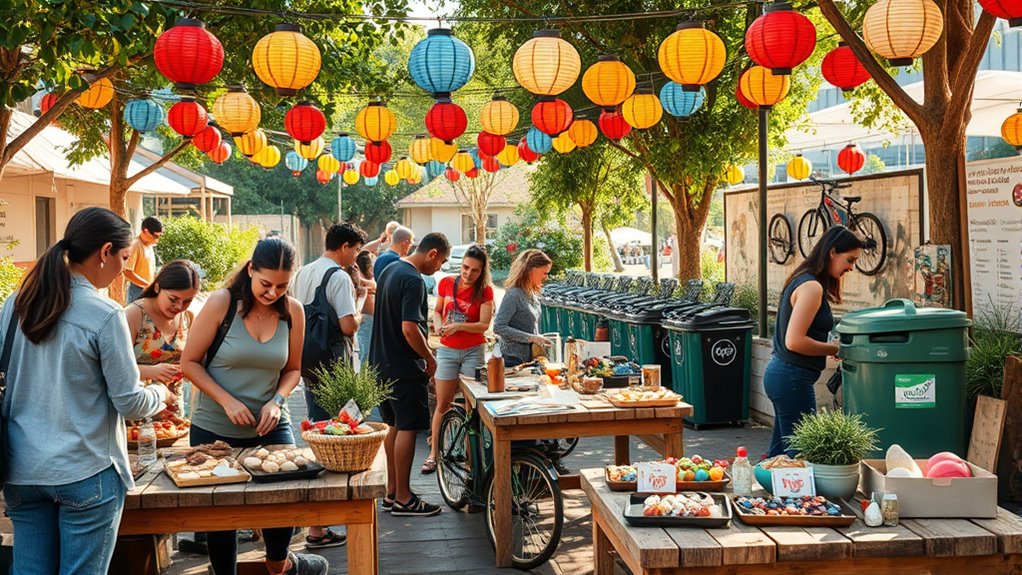
As the way we think about ownership shifts in response to technological advances and changing social norms, it becomes clear that traditional concepts are no longer sufficient. Today, you’re part of a landscape where digital assets play a central role, transforming how you perceive possession and access. Instead of owning physical items, you’re increasingly engaging in shared consumption models, where access often replaces ownership altogether. This shift means that your relationship with goods and services is evolving from owning to sharing, borrowing, or subscribing. Digital assets—such as music, movies, software, and even virtual items—are now easily shared across platforms, enabling you to access what you need without the burden of ownership. This democratizes access, reduces waste, and fosters a more circular economy, where resources are reused and recycled instead of discarded.
In addition, practices like yoga encourage a mindful approach to consumption, emphasizing well-being and sustainability over material possession. Shared consumption challenges the traditional idea that owning something guarantees exclusive rights. Instead, you’re encouraged to think in terms of collective access, where digital assets can be distributed among many users without depleting the resource. This approach not only lowers costs but also minimizes environmental impact, aligning with sustainability goals. For example, streaming services allow you to enjoy vast libraries of content without owning physical copies, emphasizing access over ownership. Similarly, digital platforms facilitate sharing economy models like car-sharing and tool libraries, where you temporarily use an asset rather than owning it outright. This shift encourages you to consider the value of participation and collaboration over individual possession.
In this new paradigm, the concept of ownership becomes more fluid and flexible. It’s less about possessing and more about experiencing and utilizing. Your digital footprint grows as you navigate these shared consumption spaces, where digital assets can be transferred, rented, or shared seamlessly. This model promotes a circular economy by extending the lifecycle of digital and physical resources, reducing waste, and fostering innovation. You’re encouraged to think about your consumption habits—are you owning or simply accessing? As technology advances, you’ll find that the boundaries of ownership blur, making collaboration and sharing more practical, sustainable, and aligned with a future where resources are valued for their utility rather than their exclusivity.
Frequently Asked Questions
How Do Legal Rights Change With Co-Created Products?
When you co-create products, your legal rights around intellectual property and ownership often shift. Instead of owning the entire IP, you might share rights with others, depending on agreements. Legal ownership can become collective, requiring clear contracts to specify who holds what rights. This guarantees that everyone involved understands their share of the intellectual property, avoiding disputes and making sure that co-created products are protected and properly managed.
What Are the Environmental Impacts of Circular Economies?
Circular economies considerably reduce environmental impacts by promoting recycling benefits and resource efficiency. You help cut waste, conserve natural resources, and lower pollution levels. By reusing, repairing, and recycling, you decrease the need for extraction and manufacturing, which diminishes greenhouse gas emissions. This sustainable cycle supports the environment, saving energy and protecting ecosystems, making your efforts essential in fostering a healthier planet for future generations.
How Does Ownership Transfer in Shared Ownership Models?
In shared ownership models, ownership transfers through joint ownership agreements, where multiple parties hold rights over an asset. You share the benefits and responsibilities via asset sharing, which means you and others collectively own and manage the asset rather than one person. This process often involves clear terms on usage, maintenance, and transfer conditions, making ownership more flexible and sustainable, reducing individual costs and promoting resource efficiency.
What Incentives Encourage Companies to Adopt Circular Practices?
You’re encouraged to adopt circular practices because they boost brand loyalty and demonstrate shared liability, showing customers you care about sustainability. These incentives motivate you to reduce waste, reuse materials, and embrace eco-friendly innovations. As a result, your company can attract environmentally-conscious consumers, differentiate itself from competitors, and build a reputation for responsibility. Embracing circular models ultimately benefits your brand’s growth while contributing positively to the planet.
How Do Consumer Behaviors Shift in a Circular Economy?
In a circular economy, your behaviors shift toward valuing sustainability and durability. You become more likely to prioritize brand loyalty to companies that practice eco-friendly principles. Consumer empowerment grows as you actively participate in reuse, recycling, and sharing initiatives. You seek products designed for longevity and circularity, influencing companies to adopt greener practices. Your choices help drive a more sustainable cycle, reinforcing the importance of responsible consumption and fostering a community committed to environmental stewardship.
Conclusion
As you navigate this shifting landscape, imagine a world where ownership feels more like a shared breeze than a locked door. Co-creation and circular economies invite you to step into a future where resources flow freely, and sustainability becomes second nature. Embrace this evolving tide, where your choices ripple outward, transforming cluttered warehouses into vibrant hubs of collaboration. In this new world, ownership isn’t just held — it’s shared, reshaped, and renewed with every step you take.
Fall Picks
fall essentials
As an affiliate, we earn on qualifying purchases.