
Bio-based plastics are often promoted as sustainable solutions for single-use waste, but their effectiveness relies on proper disposal and recycling practices. While they can be biodegradable and made from renewable resources, many look and feel like traditional plastics, causing sorting issues. If you want to understand whether they truly solve waste problems or if new challenges arise, you’ll find insights that can help clarify their role in waste management.

Get audio and creator gear delivered free with Prime
- Fast, free delivery on millions of items
- Prime Video, Amazon Music and more included
- Member-only deals all year
Key Takeaways
- Bio-based plastics can reduce reliance on fossil fuels but may not always be biodegradable or suitable for single-use waste solutions.
- Recycling challenges arise due to confusion with conventional plastics, risking contamination and reducing recyclability.
- Not all bio-based plastics are environmentally friendly; some persist in the environment like traditional plastics if not properly disposed of.
- Higher production costs and limited market adoption hinder widespread use as a sustainable solution for single-use waste.
- Improvements in material design, infrastructure, and consumer awareness are essential for bio-based plastics to effectively address waste issues.
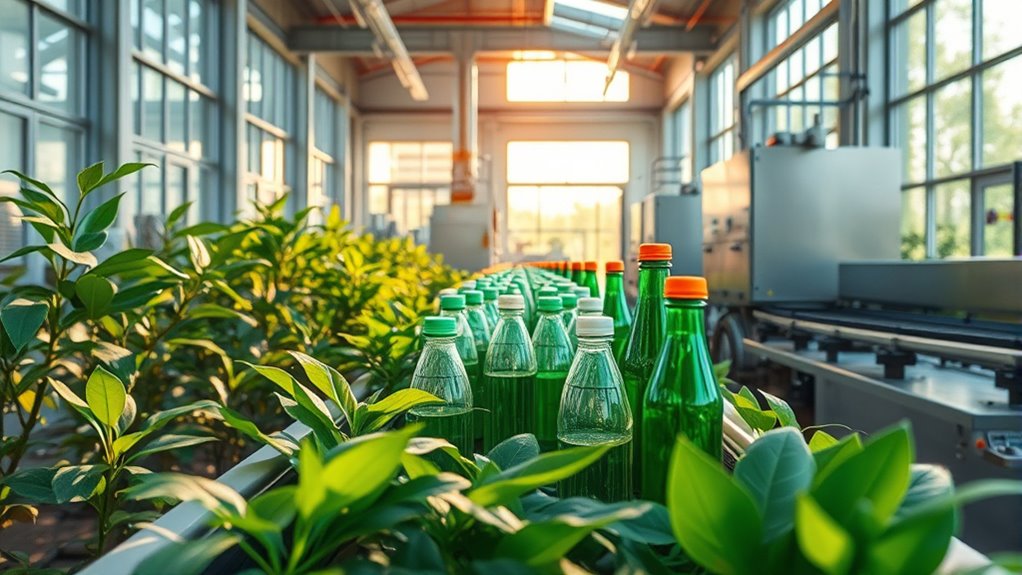
Bio-based plastics are sustainable alternatives to traditional petroleum-derived plastics, made from renewable biological resources like plants, algae, or microorganisms. While these materials promise a greener future, their widespread adoption faces significant hurdles, especially around recycling challenges and market acceptance. Recycling bio-based plastics isn’t as straightforward as it seems. Many types look and feel like conventional plastics, which can confuse sorting facilities and consumers alike. When mixed in with traditional plastics, they often contaminate recycling streams, reducing the quality of recycled output or rendering the entire batch unusable. This confusion hampers the development of efficient recycling systems tailored to bio-based plastics, making it harder to fully realize their environmental benefits. To compound the issue, not all bio-based plastics are biodegradable or compostable. Some are designed to mimic the durability of traditional plastics, which means they persist in the environment just as long. This creates a paradox where a product marketed as eco-friendly may still contribute to waste problems if not properly recycled or disposed of. Overcoming these recycling challenges requires better labeling, consumer education, and infrastructure upgrades—efforts that take time and investment. Additionally, increasing awareness about self-understanding and the importance of responsible disposal can promote more sustainable consumer behavior.
Market adoption remains another critical barrier. Although there’s growing interest in bio-based plastics, industries are often hesitant to switch due to costs and performance concerns. Producing bio-based plastics can be more expensive than traditional options, which makes companies cautious, especially when supply chains and manufacturing processes are already optimized for conventional plastics. Additionally, some bio-based plastics don’t yet match the strength, flexibility, or heat resistance of their petroleum counterparts, limiting their use in certain applications. Consumers also play a role; many aren’t fully aware of what bio-based plastics are or how to dispose of them properly. Without widespread understanding and acceptance, companies may hesitate to invest heavily in new materials, fearing low demand or potential backlash if products don’t perform as expected. Despite these challenges, market adoption is gradually increasing as research advances and environmental regulations tighten. Governments and organizations are pushing for more sustainable packaging, which helps create demand. Companies are exploring innovative formulations to improve the performance of bio-based plastics and reduce costs. Consumer awareness campaigns are also making progress, encouraging more responsible disposal habits. Still, for bio-based plastics to become a genuine solution to single-use waste, the industry must address recycling challenges head-on and foster market confidence through consistent quality, clear labeling, and supportive policies. Only then can bio-based plastics truly transform waste management and help create a more sustainable future.
Frequently Asked Questions
How Do Bio-Based Plastics Degrade in Natural Environments?
You might wonder how bio-based plastics break down naturally. They degrade through microbial breakdown, where bacteria and fungi consume the material. Environmental factors like temperature, moisture, and sunlight influence this process, making it faster or slower. In ideal conditions, bio-based plastics can biodegrade, returning to the environment as natural substances. However, in less favorable settings, their degradation may take much longer, impacting their sustainability compared to other waste options.
Are Bio-Based Plastics Truly Biodegradable or Just Compostable?
Like Icarus flying too close to the sun, you might believe bio-based plastics are fully biodegradable. But in reality, many are just compostable, limited by specific conditions. The biodegradability myths often overlook composting limitations, leading to false hope. You need to understand that bio-based doesn’t always mean eco-friendly; these plastics may not break down naturally in the environment without proper facilities, challenging their role in reducing waste.
What Are the Environmental Impacts of Producing Bio-Based Plastics?
You should consider that producing bio-based plastics impacts the environment through agricultural runoff and land use change. These processes can lead to water pollution, harming ecosystems, and contribute to deforestation or habitat loss. While they might reduce reliance on fossil fuels, their production isn’t without consequences. You need to weigh these environmental costs against their benefits to determine if bio-based plastics are truly sustainable options.
Can Bio-Based Plastics Be Recycled Alongside Traditional Plastics?
Imagine bio-based plastics as twins with similar faces but different hearts. You might think they can be recycled together, but in reality, their recycling compatibility varies. Proper waste segregation is vital, as mixing bio-based and traditional plastics can hinder recycling processes. By carefully separating waste, you ensure each type is appropriately processed, reducing environmental impact, and making recycling more effective for both plastics.
How Do Costs of Bio-Based Plastics Compare to Conventional Plastics?
When you look at the cost comparison between bio-based plastics and conventional plastics, you’ll notice market pricing varies. Bio-based options often cost more due to production complexity and raw material expenses. However, as demand rises and technology advances, prices may become more competitive. You should consider that investing in bio-based plastics could offer environmental benefits that justify the higher costs, especially as the market evolves and sustainability becomes a priority.
Conclusion
While bio-based plastics seem like a shining beacon of hope, they’re not a silver bullet for single-use waste. Think of them as a garden that needs careful tending—without proper management, they can still contribute to environmental clutter. You must see beyond the label and consider their entire lifecycle. Only by blending innovation with responsibility can these plastics truly transform waste into something less burdensome, turning the tide rather than just riding it.
Evergreen bestsellers Picks
bestsellers
As an affiliate, we earn on qualifying purchases.