
You likely notice small habits like leaving lights on in empty rooms or keeping appliances running when not in use. These tiny actions may seem insignificant but add up over time, wasting energy and increasing costs. Gaps around windows and doors, or furniture blocking vents, can also cause heat loss and make your HVAC work harder. By paying attention to these minor details, you can save energy without much effort. Keep exploring to discover simple ways to cut waste further.

Get audio and creator gear delivered free with Prime
- Fast, free delivery on millions of items
- Prime Video, Amazon Music and more included
- Member-only deals all year
Key Takeaways
- Leaving lights or electronics on when unused wastes small amounts of energy daily.
- Drafts around doors and windows cause continuous heat loss over time.
- Dirty or shaded solar panels reduce energy output, impacting efficiency.
- Poor furniture placement blocks vents, forcing HVAC systems to work harder.
- Small leaks and gaps in insulation lead to gradual heat loss and higher energy bills.
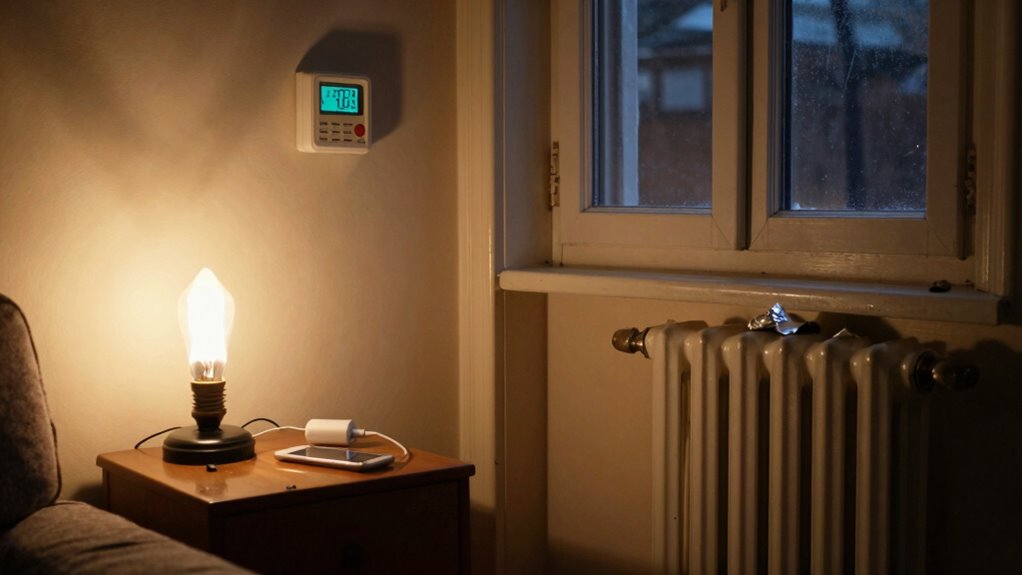
Have you ever wondered how much energy your home wastes each year? It’s often in the small, everyday habits and overlooked details that energy loss quietly happens. For example, you might leave your lights on in rooms you’re not using or keep the TV running even when no one’s watching. These minor actions might seem insignificant, but over time, they add up to a substantial waste of energy. Addressing these small habits is a good starting point, but focusing on your home’s overall efficiency can make an even bigger difference. Improving your insulation is a straightforward way to reduce energy waste. When your home isn’t well-insulated, heat escapes during winter and enters during summer, forcing your heating and cooling systems to work harder. That extra effort consumes more energy and raises your utility bills. Insulation improvements are a simple yet effective way to keep your home comfortable and cut down on unnecessary energy consumption. Additionally, air leakage around doors and windows can significantly impact your home’s energy efficiency, making sealing gaps an essential step. Sealing these small drafts can prevent substantial heat loss and help maintain a consistent indoor temperature. Properly sealing and insulating your home can also contribute to reducing energy costs, as less energy is needed to maintain a comfortable environment. Another often-overlooked area is your home’s solar efficiency. If you have solar panels, their performance can decline if they’re dirty or shaded, leading to less energy production. This means you’re not making the most of the renewable energy your system could generate, which results in wasted potential. Regularly cleaning your panels and trimming nearby trees can help maximize their efficiency and ensure you’re harnessing the sun’s power as effectively as possible. Regular maintenance of energy systems, like checking for efficiency losses, can help identify small issues before they lead to bigger problems. It’s a small maintenance task that can lead to significant savings over time. Additionally, tiny leaks around doors and windows can cause substantial heat loss without you realizing it. These drafts make your heating and cooling systems work overtime, wasting energy that could be better used elsewhere. Sealing gaps with weatherstripping or caulk can prevent this kind of small but costly energy loss. Even the placement of your furniture can influence energy efficiency—blocking vents or radiators can prevent proper airflow, forcing your HVAC system to compensate. Paying attention to system performance and making adjustments can help optimize your home’s energy use.
energy-efficient LED light bulbs
As an affiliate, we earn on qualifying purchases.
As an affiliate, we earn on qualifying purchases.
Frequently Asked Questions
How Can I Identify Hidden Energy Leaks in My Home?
You can identify hidden energy leaks in your home by inspecting for insulation gaps around windows, doors, and attic hatches, which often let warm or cool air escape. Check your ductwork for leaks or loose connections, especially in the basement or crawl spaces. Use a flashlight to look for discolored or dusty spots indicating leaks, and consider using a thermal camera or smoke pen to spot hidden leaks effectively.
What Are Common Everyday Habits That Waste Energy Unknowingly?
Did you know that leaving lights on in empty rooms accounts for about 10% of household energy use? You can adopt simple daily conservation habits like turning off lights when not in use, unplugging devices, and using energy-saving tips on appliances. These small actions add up, reducing waste without much effort. By being mindful of your daily habits, you’ll save energy, lower bills, and help the environment effortlessly.
How Does Appliance Age Affect Energy Efficiency?
As your appliances age, their efficiency declines, affecting overall energy use. Over time, their lifespan shortens, and outdated models consume more power to perform the same tasks. You might notice increased energy bills or slower operation, signaling reduced efficiency. Replacing old appliances before they reach the end of their lifespan can help you save energy and money, ensuring your home remains more efficient and environmentally friendly.
Are There Low-Cost Ways to Reduce Energy Waste?
Think of your home like a garden—small weeds, if left unchecked, can overtake everything. You can cut waste by installing a smart thermostat, which adjusts the temperature efficiently. Plus, scheduling an energy audit reveals hidden leaks and inefficiencies. These low-cost steps make a big difference, saving money and energy, much like pulling weeds keeps your garden thriving. Small actions now prevent costly fixes later.
What Is the Impact of Lighting Choices on Energy Consumption?
Your lighting choices greatly impact energy consumption. Switching to smart lighting allows you to control lights remotely and set schedules, reducing unnecessary use. Upgrading to LED bulbs uses considerably less energy than traditional bulbs and lasts longer, saving you money over time. These small changes help cut down your energy waste, making your home more efficient and environmentally friendly without much effort or cost upfront.
door and window weatherstripping kits
As an affiliate, we earn on qualifying purchases.
As an affiliate, we earn on qualifying purchases.
Conclusion
Paying attention to tiny energy leaks is like tending a garden—small weeds may seem harmless, but left unchecked, they can overshadow your entire landscape. By sealing those little gaps and adjusting your habits, you’re quietly nurturing a more efficient home. Over time, these gentle changes create a brighter, more sustainable environment, where energy flows smoothly and your efforts bloom into noticeable savings. Remember, even the tiniest care can transform your home into a well-tended sanctuary.
As an affiliate, we earn on qualifying purchases.
As an affiliate, we earn on qualifying purchases.
Halloween Picks
halloween
As an affiliate, we earn on qualifying purchases.