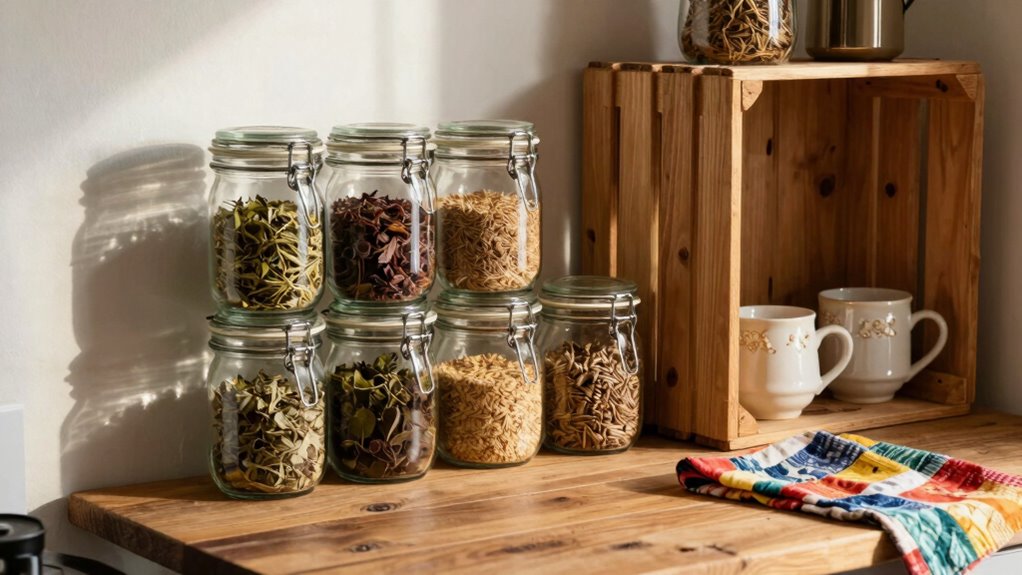

To support a more circular home, develop a reuse habit by repurposing items instead of discarding them. Transform jars into storage, repaint old furniture, or donate usable belongings. This practice reduces waste, extends product life, and encourages sustainable habits at home. Embracing reuse helps you lessen reliance on new resources and supports conservation efforts. Keep exploring ways to make your home more sustainable—you’re about to discover even more simple, impactful tips.

Get audio and creator gear delivered free with Prime
- Fast, free delivery on millions of items
- Prime Video, Amazon Music and more included
- Member-only deals all year
Key Takeaways
- Incorporate regular donation of usable items to extend their lifespan within the community.
- Upcycle and repurpose household objects to reduce waste and promote reuse.
- Use reusable materials for daily needs instead of single-use products.
- Embrace creative DIY projects to transform old items into functional or decorative pieces.
- Develop mindful consumption habits to minimize unnecessary purchases and waste.
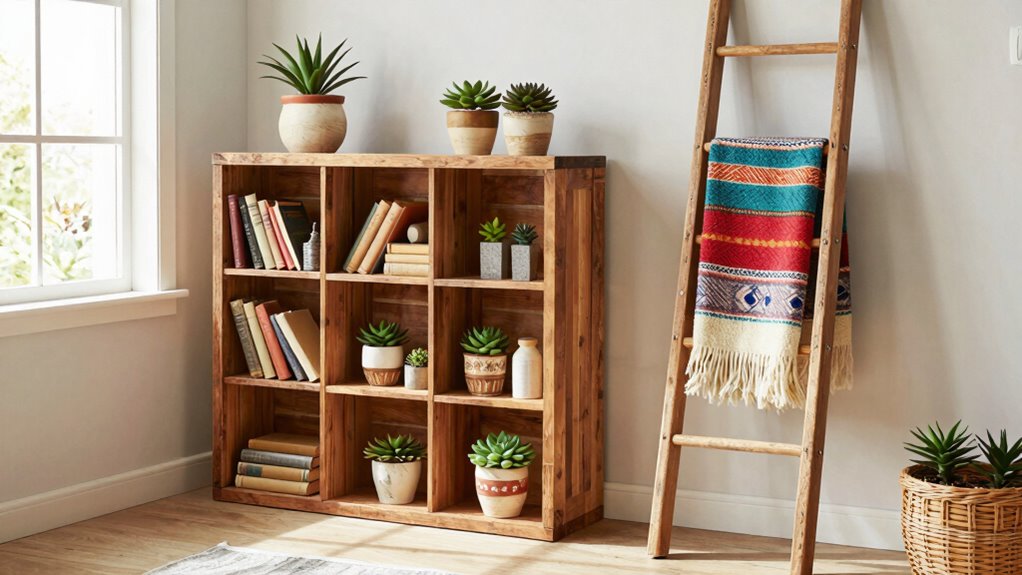
Have you ever wondered how small changes in your daily habits can make a big difference for the environment? One effective way to contribute to a more circular home is by embracing the reuse habit. It’s about making the most of what you already have instead of constantly buying new items. Engaging in upcycling projects can turn old, unused objects into something new and useful, reducing waste and lessening the demand for resources. For instance, transforming worn-out jars into stylish storage containers or repurposing old furniture with a fresh coat of paint are great ways to practice biodiversity and conservation principles at home. These projects not only give your belongings a second life but also add a personal touch to your home decor. Upcycling is a creative process that encourages you to see potential in items you might have otherwise discarded, helping you cut down on waste and support sustainable practices. Additionally, practicing resource efficiency can further enhance your efforts to minimize waste and maximize the use of existing materials. Incorporating sustainable habits into your routine can amplify these positive impacts, making your home more eco-friendly. Developing a mindset of mindful consumption can help you make conscious choices that support a circular economy. You can also explore reusable materials for everyday items, which reduces the reliance on single-use products and promotes a more sustainable lifestyle. Alongside upcycling, your donation practices play a crucial role in fostering a more circular home. When you’re done with items that are still in good condition, rather than throwing them away, consider donating them to charities or community centers. Clothes, furniture, and household goods can find new homes with people who need them, extending their lifespan and reducing landfill waste. Donation practices are a simple but impactful way to keep items circulating within the community, encouraging others to reuse rather than buy new. It also supports social causes, as many charities use donations to help those in need. When you regularly donate, you create a habit of mindful consumption and waste reduction that benefits both the environment and your community.
As an affiliate, we earn on qualifying purchases.
Frequently Asked Questions
How Can I Start Reusing Household Items Effectively?
To start reusing household items effectively, embrace creative repurposing by imagining new uses for what you already own. Use everyday objects as storage solutions—think jars for snacks or old boxes for organizing drawers. Keep an open mind, and regularly assess your belongings to see which items can be reused instead of discarded. This proactive approach helps reduce waste and supports a more sustainable, circular home.
What Are Common Challenges in Adopting Reuse Habits?
You might face challenges like developing sustainable mindsets and feeling unsure about reuse practices. Community swapping can help, but it requires effort to connect with others and find suitable items. Overcoming these hurdles involves embracing a growth mindset, staying committed, and seeking local groups or online platforms. By fostering these habits, you’ll gradually make reuse a natural part of your routine, contributing to a more circular home and a healthier environment.
How Does Reuse Impact Household Waste Reduction?
You reduce household waste by actively participating in reuse efforts like upcycling initiatives and community reuse programs. These actions keep items out of landfills, give objects a second life, and inspire creative solutions for waste reduction. When you embrace reuse, you lessen the demand for new products, cut down on packaging waste, and promote sustainability. Your involvement supports a more circular home, benefiting both the environment and your community.
Are There Specific Materials Best Suited for Reuse?
Sure, some materials are clearly better for reuse — think glass jars, stainless steel, or sturdy wood. They boast impressive material durability and reuse versatility, making them your eco-friendly BFFs. Meanwhile, that fragile ceramic mug or flimsy plastic bag? Not so much. Stick to durable, versatile materials, and you’ll turn your home into a recycling superhero’s playground, all while pretending you’re not secretly hoarding forever-lasting stuff.
How Can I Encourage Family Members to Reuse More?
You can encourage your family to reuse more by making eco-friendly storage solutions easily accessible and fun to use. Suggest creative upcycling projects, like turning jars into planters or old boxes into organizers, to spark their interest. Lead by example, sharing your own reuse ideas and celebrating their efforts. This approach makes reuse feel rewarding and part of your daily routine, fostering a more sustainable, circular home environment.
As an affiliate, we earn on qualifying purchases.
Conclusion
Embracing reuse isn’t just eco-friendly; it’s a powerful way to create a more circular home. By rethinking what you toss out and giving items a second life, you support a sustainable cycle that benefits the planet. Some believe that small habits, like repurposing or repairing, can spark a larger movement toward environmental responsibility. So, start today—your simple reuse habits could inspire others and help build a greener, more resilient home ecosystem.
As an affiliate, we earn on qualifying purchases.
As an affiliate, we earn on qualifying purchases.
Halloween Picks
halloween
As an affiliate, we earn on qualifying purchases.