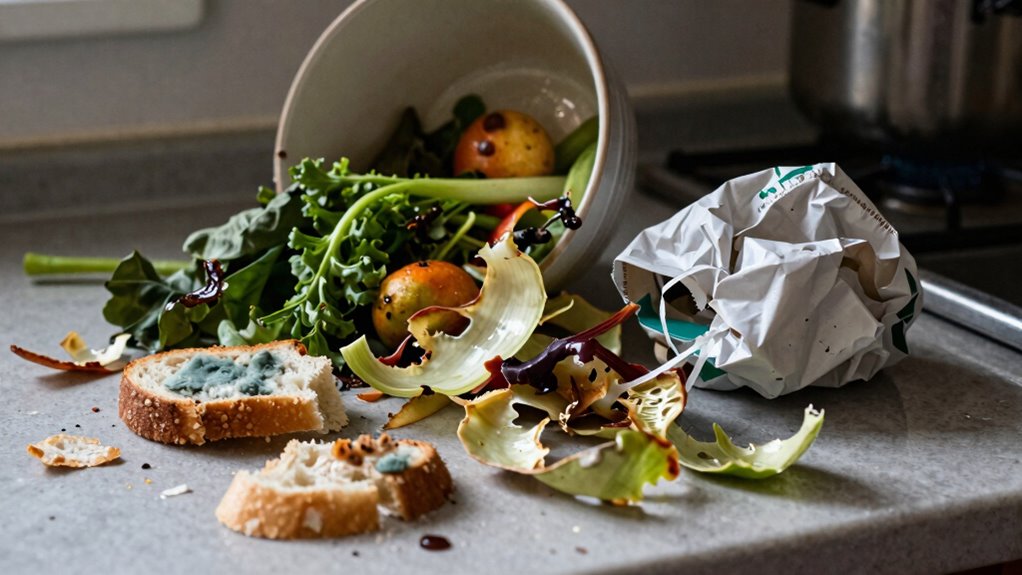

Everyday kitchen habits like over-purchasing, poor planning, and neglecting leftovers lead to significant food waste that harms the environment and wastes resources. You may toss spoiled produce or leftovers that could be reused, unknowingly contributing to landfills and greenhouse gases. By adopting better habits such as meal planning and composting, you can reduce waste and support sustainability. If you want to learn simple ways to make a difference, keep exploring how you can improve your kitchen practices.

Get audio and creator gear delivered free with Prime
- Fast, free delivery on millions of items
- Prime Video, Amazon Music and more included
- Member-only deals all year
Key Takeaways
- Over-purchasing and poor meal planning lead to excess food that often gets discarded prematurely.
- Leftovers and spoiled produce frequently contribute to unnecessary kitchen food waste.
- Lack of awareness about composting reduces opportunities to repurpose food scraps sustainably.
- Small habits like improper storage and neglecting expiration dates increase food spoilage.
- Inefficient kitchen management practices significantly contribute to overall food waste.
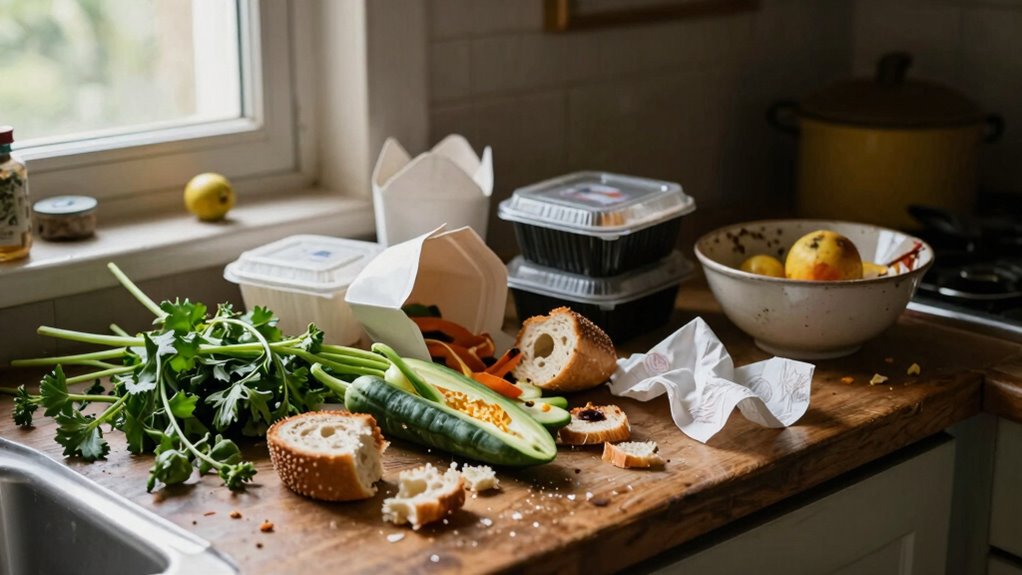
Have you ever wondered how much food gets wasted right in your own kitchen? Every day, you toss out leftovers, spoiled produce, or ingredients you bought in bulk but never used. It’s easy to overlook how small habits add up to significant waste, but understanding the root causes can help you make smarter choices. One of the most effective ways to cut down on this waste is through proper meal planning. By taking a few minutes to organize your weekly menu, you can buy only what you need, reducing the chances of food going bad before you even get around to eating it. When you plan meals ahead, you’re less likely to purchase duplicates or overestimate portion sizes, which often leads to leftovers that get forgotten or discarded. It also helps you balance your shopping list, ensuring you include ingredients that naturally complement each other, minimizing unused items.
In addition to thoughtful meal planning, adopting composting techniques can drastically reduce the amount of food waste that ends up in the trash. Composting allows you to transform food scraps like vegetable peels, coffee grounds, and eggshells into nutrient-rich soil for your garden or houseplants. This process not only diverts waste from landfills but also supports sustainable gardening practices. Utilizing proper composting methods can make the process even easier and more efficient for beginners. Incorporating waste reduction strategies into your routine can further amplify your efforts and help you develop a more sustainable lifestyle. Instead of tossing organic waste into the garbage, you create a cycle that benefits your plants and the environment. Composting is simple and can be done indoors or outdoors, with various methods such as bin composting, worm composting, or tumblers. You just need a designated space, a balance of green and brown materials, and a bit of regular maintenance to keep the process active. Proper food waste management methods can significantly lower the impact of organic waste on landfills and reduce greenhouse gas emissions. Not only does composting cut down on landfill waste, but it also reduces the harmful methane emissions produced when organic matter decomposes in landfills.
As an affiliate, we earn on qualifying purchases.
Frequently Asked Questions
How Can I Identify Hidden Food Waste in My Kitchen?
You can identify hidden food waste in your kitchen by regularly checking your food storage areas, like fridge and pantry, for spoiled or forgotten items. Use compost bins to discard scraps and see what’s frequently going to waste, revealing patterns. Pay attention to produce that wilts or expires unnoticed, and organize your food to prevent hidden spoilage, ultimately reducing waste and saving money.
What Are Unexpected Sources of Food Waste at Home?
Unexpected sources of food waste at home include overlooked food expiration dates and leftover scraps you might discard without thinking. You might toss out moldy bread or spoiled produce, but some expiration dates are conservative, and composting techniques can help manage vegetable peels or coffee grounds instead of wasting them. By paying attention to expiration labels and composting properly, you can reduce waste and make your kitchen more sustainable.
How Does Food Packaging Contribute to Kitchen Waste?
You might think food packaging is harmless, but it considerably adds to your kitchen waste. Packaging waste often ends up in the trash, contributing to overflowing bins. By properly recycling materials, you can reduce this waste and support material recycling efforts. Choosing reusable containers and minimizing single-use packaging helps cut down on unnecessary waste. Your conscious packaging choices directly impact your contribution to lessening overall kitchen waste and promoting sustainability.
Can Small Kitchen Habits Significantly Reduce Food Waste?
Yes, small kitchen habits can considerably cut down food waste. You can start by practicing meal planning to buy only what you need, reducing impulse purchases. Implement composting techniques for food scraps instead of throwing them away. These simple actions help you manage leftovers better, minimize waste, and create a more sustainable kitchen environment. Over time, your consistent efforts can make a meaningful difference in reducing overall food waste.
What Are Some Overlooked Food Items That Often Get Wasted?
Imagine you’re in a medieval kitchen, yet today, you often waste expired produce and forgotten leftovers. These overlooked items sneak into your trash more often than you realize. Expired produce may seem useless, but often it’s still good for soups or smoothies. Forgotten leftovers, if stored properly, can become your next meal. Check your fridge regularly, get creative, and reduce waste by turning these overlooked items into delicious dishes.
As an affiliate, we earn on qualifying purchases.
Conclusion
By recognizing the food waste problem that starts in your kitchen, you take the first step toward change. You can plan better, store smarter, and waste less. You can be mindful of portions, embrace leftovers, and choose quality over quantity. You can make a difference every time you cook, every time you clean, every time you decide what to toss. Because when you reduce waste at home, you help build a more sustainable, more responsible world.
As an affiliate, we earn on qualifying purchases.
As an affiliate, we earn on qualifying purchases.
Fall Picks
fall essentials
As an affiliate, we earn on qualifying purchases.