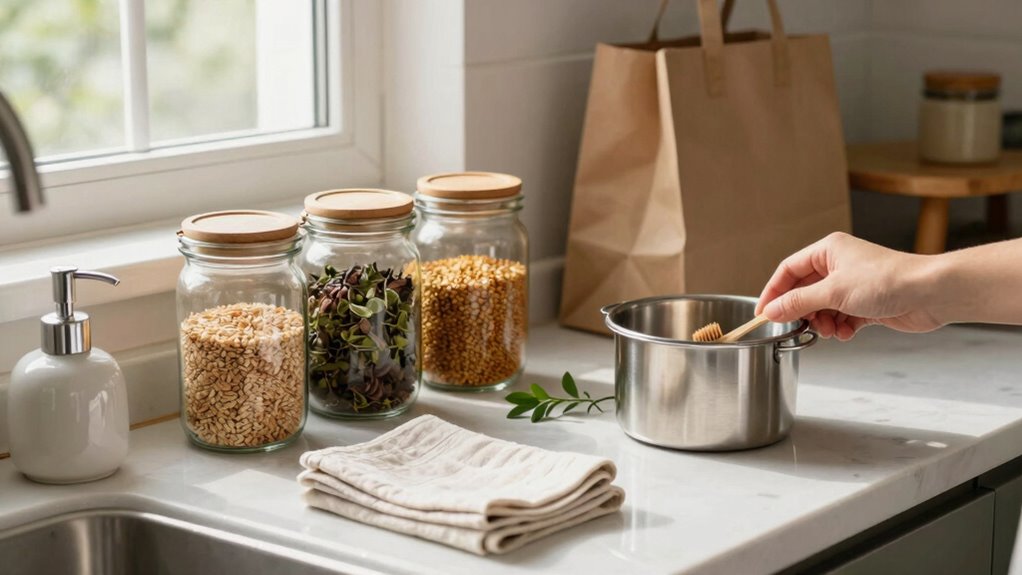

You can quietly reduce household waste by making small, consistent choices like using reusable bags, bottles, and containers. Compost food scraps and yard waste to create nutrient-rich soil while cutting down on landfill contributions. Opt for eco-friendly packaging and switch to beeswax wraps instead of plastic. These easy habits build over time, promoting mindful consumption and waste reduction. Keep exploring for more simple ways to make a lasting impact on your environment.

Get audio and creator gear delivered free with Prime
- Fast, free delivery on millions of items
- Prime Video, Amazon Music and more included
- Member-only deals all year
Key Takeaways
- Use reusable bags, containers, and wraps to cut down on single-use plastics and packaging waste.
- Opt for refillable water bottles and coffee cups to minimize disposable beverage containers.
- Practice composting organic waste to create nutrient-rich soil and reduce landfill contributions.
- Choose products with minimal or biodegradable packaging during shopping trips.
- Incorporate small, consistent sustainable habits to gradually lower household waste over time.
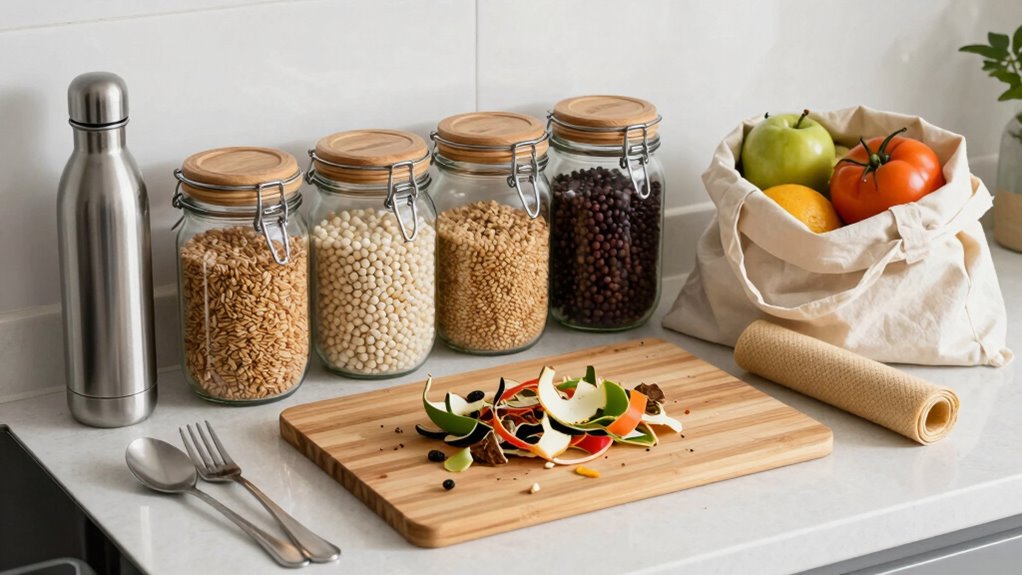
Have you ever thought about how your daily routines can make a difference in reducing waste? It’s often the small, consistent actions that add up over time, quietly making a positive impact on the environment. One simple yet effective choice is developing composting habits. Instead of tossing food scraps and yard waste into the trash, you can create a compost bin. This turns organic waste into nutrient-rich soil, reducing landfill volume and cutting down on methane emissions produced by decomposing waste. Composting also encourages you to be more mindful about food waste, prompting you to plan meals better and avoid overbuying. Over time, this practice becomes second nature, helping you to minimize unnecessary waste while nurturing your garden or outdoor space. Additionally, understanding the importance of biodiversity can motivate you to protect local ecosystems while implementing sustainable habits at home.
Another vital step is exploring packaging alternatives. The typical shopping trip often involves a mountain of plastic, cardboard, and other single-use materials that quickly pile up in your household. Switching to packaging alternatives means choosing products with minimal or eco-friendly packaging—like glass containers, reusable bags, or items wrapped in compostable materials. For instance, buying bulk items in sustainable containers can considerably reduce the amount of waste you generate. When you bring your own reusable bags and containers to stores, you cut down on single-use plastics that often end up in landfills or oceans. These small adjustments in your shopping habits not only decrease waste but also foster a more conscious consumer mindset. Research shows that reducing packaging waste can significantly lessen environmental impact, making your daily shopping more sustainable.
Incorporating these habits into your daily life doesn’t require a complete overhaul. Instead, it’s about making mindful choices whenever you shop or dispose of waste. For example, you might start by replacing plastic wrap with beeswax wraps or switching to refillable water bottles and coffee cups. Over time, these choices become part of your routine, and you’ll find yourself producing less trash without feeling overwhelmed. The key is consistency—once you develop a habit of choosing composting and packaging alternatives, waste reduction becomes second nature. You’ll also set a positive example for others around you, encouraging friends and family to adopt similar environmentally friendly practices.
Ultimately, these small, everyday decisions are powerful. They don’t just reduce the amount of waste your household produces—they help foster a more sustainable lifestyle. By consciously integrating composting habits and packaging alternatives into your routines, you’re actively contributing to a healthier planet. Every time you compost or select eco-friendly packaging, you’re making a statement that waste reduction isn’t about drastic change but about consistent, thoughtful actions. Over time, those actions will accumulate, leading to a cleaner environment and a more sustainable future for everyone.
As an affiliate, we earn on qualifying purchases.
Frequently Asked Questions
How Can I Start Reducing Household Waste Effectively?
Start by evaluating your current recycling habits and composting methods. Make a habit of sorting recyclables properly and setting up a compost bin for organic waste. Reduce single-use plastics by switching to reusable bags and containers. Be mindful of packaging when shopping, and plan meals to minimize food waste. Small, consistent changes like these will gradually cut down your household waste and make a significant environmental impact.
What Are Common Mistakes in Waste Reduction Efforts?
A common mistake in waste reduction is neglecting to improve your recycling habits and composting practices. You might toss items into recycling bins without rinsing or sorting properly, contaminating the entire batch. Also, overlooking composting opportunities means organic waste ends up in landfills, releasing methane. To avoid these pitfalls, educate yourself on local recycling guidelines and start composting food scraps and yard waste, turning waste into valuable compost instead of trash.
How Does Reducing Waste Benefit My Community?
Reducing waste benefits your community by lowering pollution, making public spaces cleaner, and encouraging local recycling efforts. When you participate in community cleanup events, you directly improve the environment and inspire others to do the same. Less waste means fewer overflowing landfills and reduced strain on local resources. Your efforts create a healthier, more attractive neighborhood, fostering pride and unity while supporting sustainable practices for everyone’s benefit.
Are There Easy DIY Solutions for Waste Reduction?
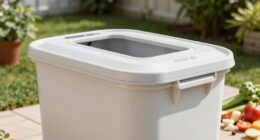
Yes, there are simple DIY hacks for waste reduction. You can create your own compost bin using a plastic container with a lid, turning food scraps and yard waste into nutrient-rich soil. Implement waste sorting by setting up labeled bins for recyclables, compost, and trash, making it easier to separate waste properly. These small changes require minimal effort but considerably cut down household waste and promote eco-friendly habits.
How Can I Involve My Family in Waste Reduction?
Did you know that family involvement can cut household waste by up to 50%? To boost waste awareness, involve your family in sorting recyclables, composting, and choosing reusable items together. Create fun challenges or reward systems to encourage participation. Explain the impact of waste on the environment, making it a shared goal. When everyone’s engaged, waste reduction becomes a team effort, making sustainable habits easier and more effective.
As an affiliate, we earn on qualifying purchases.
Conclusion
Now that you know these simple choices, imagine the impact if everyone did the same. It’s easy to underestimate how small actions add up, but what if your next decision could spark a bigger change? Keep questioning, keep choosing wisely — because one overlooked habit could be the key to a cleaner planet. The next step is yours. Are you ready to see just how powerful your everyday decisions can be?
eco-friendly reusable shopping bags
As an affiliate, we earn on qualifying purchases.
As an affiliate, we earn on qualifying purchases.
refillable stainless steel water bottles
As an affiliate, we earn on qualifying purchases.
As an affiliate, we earn on qualifying purchases.
Columbus Day / Indigenous Peoples' Day Picks
long weekend sales
As an affiliate, we earn on qualifying purchases.