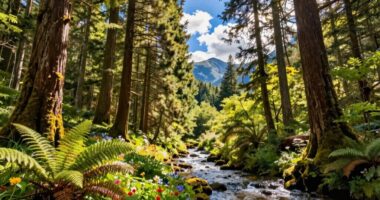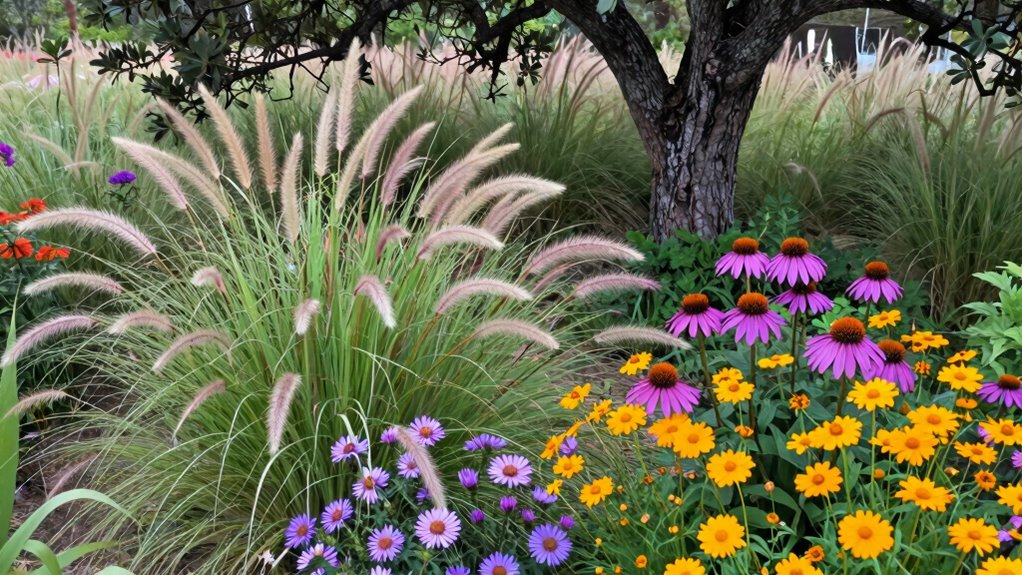

Choosing native plants over purely ornamental landscaping benefits your local ecosystem, as natives are adapted to your area’s climate and soil, making them easier to maintain and more resilient. They support local wildlife, providing food, shelter, and breeding grounds, which boosts biodiversity. Native plants also improve soil health, reduce water and fertilizer needs, and create a sustainable landscape. If you keep exploring, you’ll discover how native plants can transform your yard into a thriving, balanced environment.

Get audio and creator gear delivered free with Prime
- Fast, free delivery on millions of items
- Prime Video, Amazon Music and more included
- Member-only deals all year
Key Takeaways
- Native plants support local ecosystems by providing food and shelter for wildlife, promoting biodiversity.
- They are more resilient and require fewer resources, making them sustainable and cost-effective options.
- Native plants improve soil health with deep roots, reducing erosion and enhancing nutrient cycling.
- They foster ecological balance, decreasing reliance on chemical fertilizers and pesticides.
- Landscaping with native plants helps preserve regional biodiversity and supports environmental health.
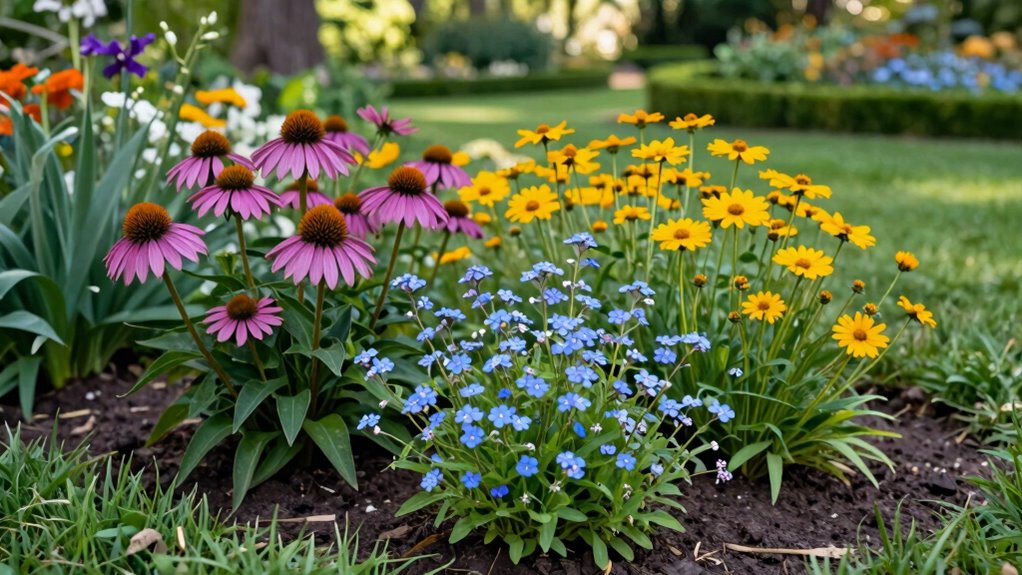
Whenever you choose native plants for your landscaping, you create a more sustainable and vibrant environment. Native plants are adapted to your region’s climate and soil, making them easier to maintain and more resilient than exotic species. But beyond their practical benefits, native plants play an essential role in supporting wildlife habitats. When you plant species that naturally occur in your area, you provide fundamental food, shelter, and breeding grounds for local birds, insects, and other wildlife. This interconnected web of life thrives because native plants have co-evolved with the animals around them, creating a balanced ecosystem right in your yard. Supporting local ecosystems is one of the most important reasons to prioritize native species.
Native plants support local wildlife and create a balanced, resilient ecosystem in your yard.
Choosing native plants also notably enhances soil health. These plants have deep root systems that improve soil structure, increase water retention, and prevent erosion. Their roots help break up compacted soil, allowing air and nutrients to reach underground organisms and plant roots more efficiently. Over time, this process boosts the fertility of your soil, reducing the need for chemical fertilizers. Incorporating native plant varieties can further enhance the resilience and diversity of your landscape. Healthy soil, in turn, supports a diverse community of microorganisms and insects that are essential for nutrient cycling and plant growth. When you give native plants a stable foundation, you’re fostering a healthier environment overall, which benefits your entire landscape. Additionally, native plants support local biodiversity by encouraging native insect and bird populations, further enriching your garden’s ecological network. Recognizing how native plants contribute to a balanced ecosystem emphasizes their vital role in sustainable landscaping. Native plants also tend to need fewer resources, such as water and fertilizers, making them a cost-effective choice for environmentally conscious gardeners.
As an affiliate, we earn on qualifying purchases.
Frequently Asked Questions
How Do Native Plants Improve Local Water Quality?
Native plants improve local water quality by promoting soil stabilization and water filtration. Their deep roots anchor the soil, reducing erosion and runoff that carry pollutants into water bodies. Additionally, native plants naturally filter water as it passes through their root systems, trapping harmful particles and nutrients. By encouraging native plant growth, you help maintain cleaner water sources and healthier ecosystems in your community.
Are Native Plants Suitable for All Climate Zones?
Native plants aren’t suitable for all climate zones because each region has unique conditions that affect plant survival. You should choose native species adapted to your local climate to promote urban resilience and prevent invasive species from taking over. When selecting plants, consider your environment’s temperature, rainfall, and soil type. Properly matched natives thrive better, support local ecosystems, and reduce the risk of invasive species disrupting the balance.
What Are the Best Native Plants for Attracting Pollinators?
To attract pollinators, you should focus on native plant selection for your pollinator gardens. Plants like bee balm, purple coneflowers, milkweed, and goldenrod are excellent choices, providing nectar and pollen that draw butterflies, bees, and hummingbirds. These native plants thrive in local conditions, making your garden more inviting for pollinators while supporting local ecosystems. Incorporate a variety of these plants to guarantee year-round attraction.
How Do Native Plants Reduce the Need for Chemical Fertilizers?
Native plants reduce your need for chemical fertilizers by improving soil health naturally. Their deep roots break up compacted soil, increasing nutrient availability and water retention. Plus, they resist pests better, which means fewer chemical interventions. As a result, your garden stays healthier and more sustainable, requiring less fertilization and chemical treatment. This creates a balanced ecosystem where native plants thrive, supporting overall environmental health.
Can Native Plants Help Control Erosion on Slopes?
Yes, native plants can help control erosion on slopes by providing effective soil stabilization and slope reinforcement. Their deep root systems anchor the soil, preventing runoff and reducing erosion. When you plant native species, they naturally adapt to local conditions, grow vigorously, and hold the soil in place. This eco-friendly approach minimizes the need for artificial solutions and creates a resilient landscape that withstands weather and environmental stress.
native plants for wildlife habitat
As an affiliate, we earn on qualifying purchases.
As an affiliate, we earn on qualifying purchases.
Conclusion
So, next time you’re planning your garden, remember that choosing native plants isn’t just about saving time or money—it’s about reconnecting with the land that sustains us. Sometimes, the most beautiful landscapes are the ones that thrive quietly in harmony with nature, often unnoticed until you see their true value. It’s a coincidence how the simplest choices, like planting native species, can make the biggest impact—on your space, the environment, and your own peace of mind.
As an affiliate, we earn on qualifying purchases.
As an affiliate, we earn on qualifying purchases.
Halloween Picks
halloween
As an affiliate, we earn on qualifying purchases.