
📊 Full opportunity report: Phone-based injury-risk movement screening for hiring on IdeaNavigator AI — validation score, market gap, and execution plan.

Get audio and creator gear delivered free with Prime
- Fast, free delivery on millions of items
- Prime Video, Amazon Music and more included
- Member-only deals all year
TL;DR
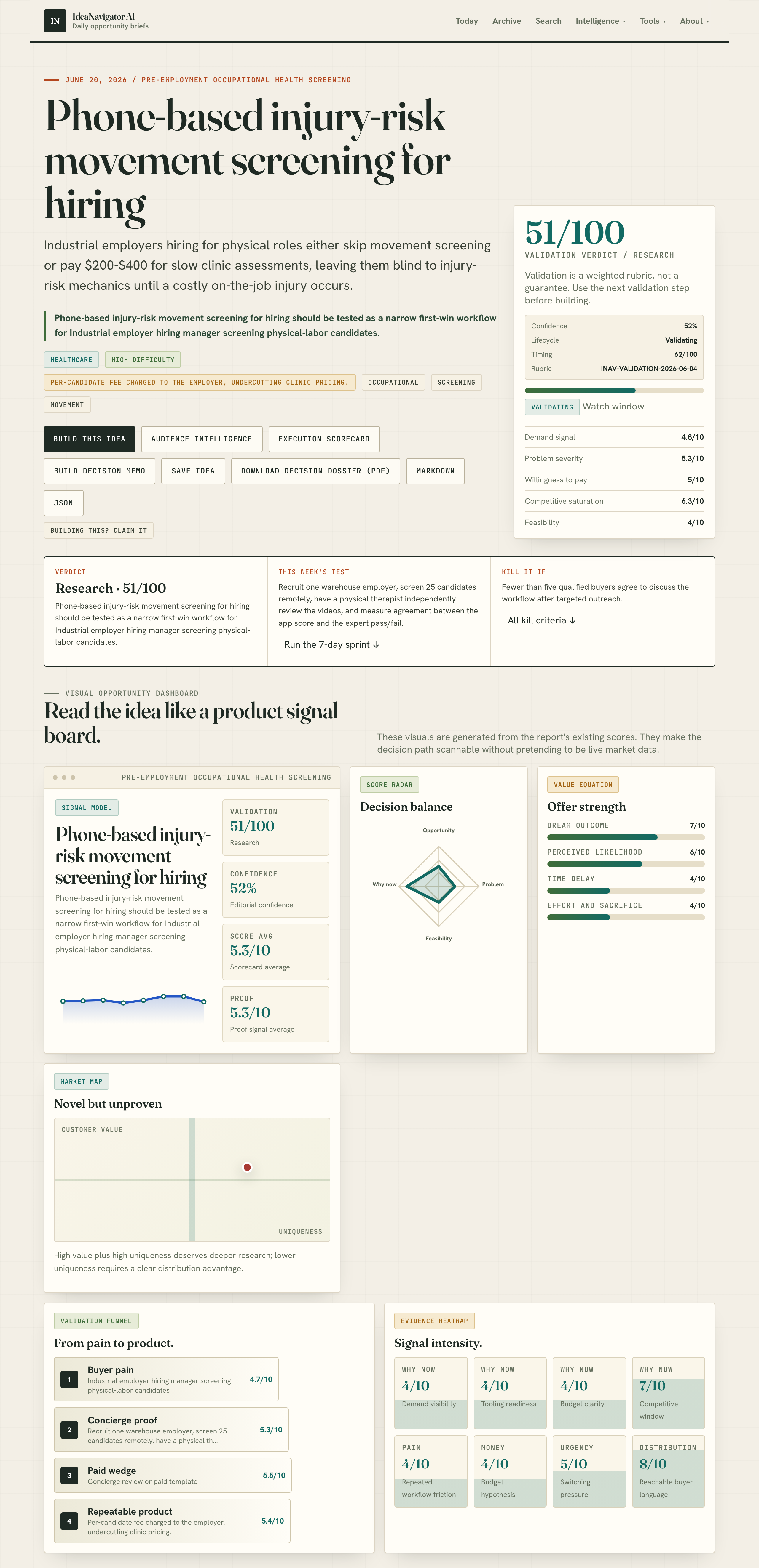
A pilot program is underway to evaluate a phone-based movement screening tool for pre-employment injury risk assessment in industrial workers. The approach uses phone cameras and pose estimation to deliver quick, cost-effective risk scores. Results from this pilot could transform hiring practices in physically demanding industries.
A new phone-based movement screening tool is being pilot tested to assess injury risk in job candidates applying for physical labor roles. The approach leverages phone cameras and pose estimation technology to provide rapid, low-cost risk scores, offering a potential alternative to traditional clinic assessments. This development could influence hiring practices in industries where injury prevention is critical.
The proposed system guides candidates through capturing 5 to 7 specific movements, such as squats, reaching, lifting simulations, and balance holds, using their smartphones. The app analyzes these videos against occupational benchmarks to generate a pass/fail injury risk score within 24 hours, at a cost of approximately $30-50 per candidate. The pilot involves screening 25 warehouse job applicants, with independent review by a physical therapist to validate the app’s accuracy. This initiative aims to provide employers with a scalable, cost-effective way to identify injury-prone mechanics before hiring, potentially reducing costly on-the-job injuries and workers’ compensation claims.
Currently, many industrial employers either skip movement screening or rely on clinic-based assessments costing between $200 and $400, which are slow and not feasible for high-volume hiring. The new remote approach seeks to fill this gap by utilizing widely available smartphone technology, making injury risk screening more accessible and timely.
Potential Impact on Industrial Hiring Practices
This development could significantly change how employers assess physical readiness and injury risk in job candidates. By enabling remote, quick, and affordable screening, companies may better identify high-risk mechanics early, reducing the incidence of workplace injuries and associated costs. If validated, this approach could become a standard part of pre-employment health assessments, especially in industries with high physical demands, leading to safer workplaces and lower insurance premiums.Popular right now
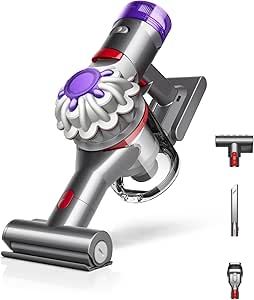
Dyson Car+Boat Cordless Handheld Vacuum

Vitamix 5200 Professional-Grade Blender, 64 oz. Container, Black

Ninja CREAMi 7-in-1 Ice Cream Maker, NC301
As an affiliate, we earn on qualifying purchases.
Growing Need for Cost-Effective Injury Prevention Tools
Industrial sectors face rising workers’ compensation costs and increasing regulatory pressure to improve safety. Traditional movement assessments are often costly and time-consuming, limiting their use in high-volume hiring. Advances in phone camera technology and pose estimation algorithms now make remote movement analysis feasible, prompting exploration of scalable screening solutions. Previous efforts have focused on in-clinic evaluations, but remote methods are emerging as a promising alternative to streamline injury prevention efforts at scale.“Using phone cameras and pose estimation makes remote movement screening feasible and affordable, opening new possibilities for injury prevention in high-risk industries.”
— an anonymous researcher
Validation and Effectiveness of the Screening Tool
It is not yet confirmed how accurately the phone-based system correlates with expert assessments or actual injury outcomes. The pilot study will provide initial data, but broader validation across different industries and job roles remains to be seen. Additionally, the effectiveness of the tool in reducing injury rates over the long term has not been established.
Next Steps in Pilot Testing and Evaluation
The pilot involving screening 25 warehouse candidates is expected to begin shortly. Results will be analyzed to compare app scores with physical therapist reviews, assessing the tool’s accuracy and reliability. If successful, the developers plan to refine the system and expand testing to larger populations and other industries. Further validation studies and eventual integration into hiring workflows are anticipated following positive pilot outcomes.
Key Questions
How does the phone-based movement screening work?
Candidates record specific movements using their smartphones, which are analyzed by an app that estimates body pose and assesses injury risk based on occupational benchmarks. The system provides a pass/fail score within 24 hours.
Will this replace traditional clinic assessments?
The new approach aims to complement or replace costly, slow clinic assessments for high-volume screening, offering a quicker, cheaper alternative. Its effectiveness will depend on validation results.
What industries could benefit from this technology?
Industries with physically demanding roles, such as warehousing, construction, manufacturing, and logistics, could benefit by identifying injury-prone mechanics early in the hiring process.
Are there privacy concerns with remote movement screening?
While not explicitly addressed, remote assessments involve video capture, which raises privacy considerations. Ensuring secure data handling and candidate consent will be essential for deployment.
When will this technology be widely available?
Following successful pilot testing and validation, broader rollout could occur within the next year or two, depending on regulatory approval and industry adoption.
Source: IdeaNavigator AI