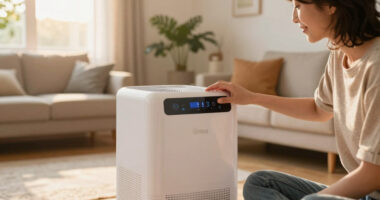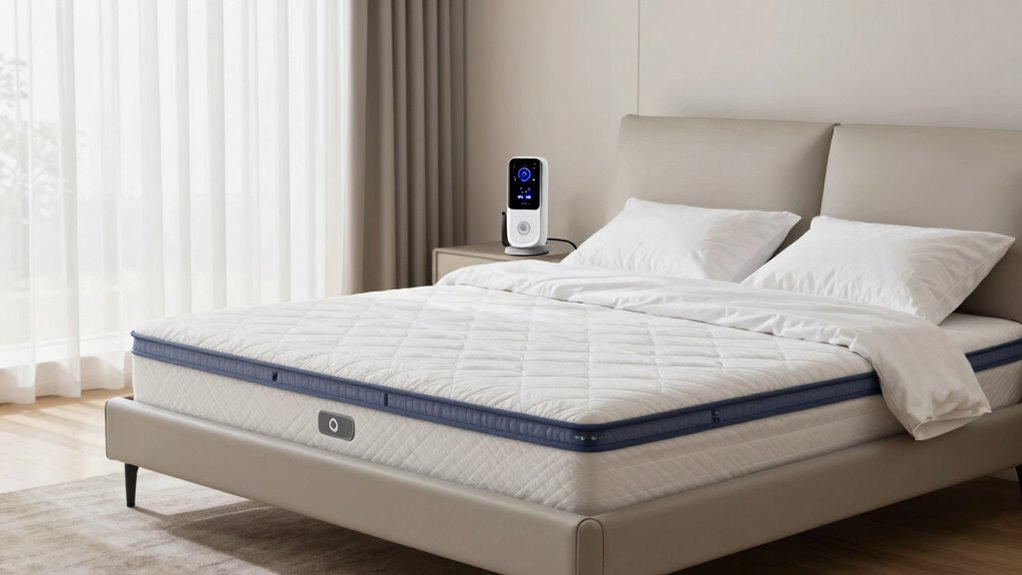

Before spending more on a smart bed tracking device, ask yourself if it actually improves your sleep quality and addresses your specific needs. Check how your data is stored and protected, and make sure privacy isn’t compromised. Look for reliable, actionable insights that motivate positive changes without overwhelming you. Balance potential benefits against privacy risks and unnecessary features. For a clearer understanding of what to take into account, keep exploring the key questions that truly matter.

Get audio and creator gear delivered free with Prime
- Fast, free delivery on millions of items
- Prime Video, Amazon Music and more included
- Member-only deals all year
Key Takeaways
- Does the device genuinely improve sleep quality and address your specific sleep concerns?
- How is your personal data stored, protected, and shared with third parties?
- Are the sleep data and insights accurate enough to inform meaningful health decisions?
- Do the provided insights motivate practical, achievable sleep improvements without overwhelming you?
- Do the device’s features balance potential benefits with privacy risks and align with your sleep goals?
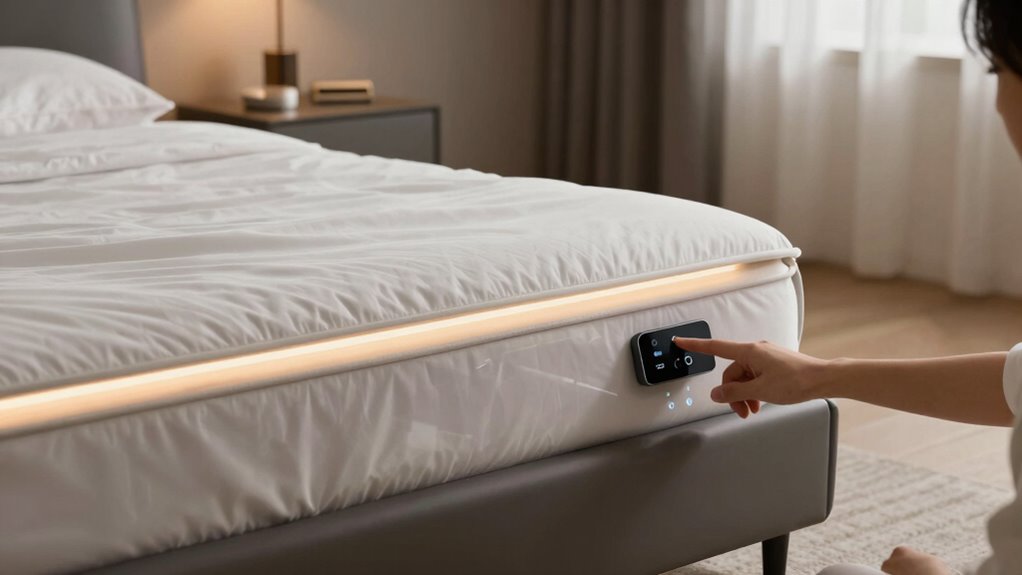
Before you invest in a smart bed tracking system, it’s vital to ask the right question: does this technology genuinely improve your sleep quality and address your specific needs? Many people are drawn to these devices because they promise insights into sleep patterns, but it’s important to evaluate whether they truly deliver on those promises. Improving sleep quality is a highly personal goal, and not every system is designed to help with your unique circumstances. Some may offer detailed data but fail to translate that into meaningful improvements, leaving you with more questions than answers. Think about whether the system’s features align with your sleep concerns—whether it’s trouble falling asleep, frequent awakenings, or restless nights. If the device’s insights are too generic or difficult to interpret, it might not be worth the investment. It’s also essential to consider how personal data collection impacts your privacy and whether the system’s data handling practices meet your comfort level.
Ensure a smart sleep system truly meets your needs before investing; personalized insights are key to real improvement.
Another factor to reflect on is privacy concerns. Smart bed tracking systems collect a significant amount of personal data, including sleep patterns, heart rate, breathing, and even environmental factors. You need to ask yourself how this information is stored, who has access to it, and how securely it’s protected. Some systems transmit your data to third-party servers, raising potential privacy risks. If you’re uncomfortable with sharing such sensitive information, or if the company’s privacy policies are unclear, you might want to steer clear or look for options that prioritize data security. Protecting your personal sleep data is just as important as understanding your sleep quality, especially in an age where data breaches are common. data security is a crucial element that should be considered when choosing these devices. Additionally, understanding sleep tracking accuracy can help you determine whether the device provides reliable information or if it could lead to misguided decisions about your health. Many systems also offer customizable feedback, which can be beneficial if it allows you to tailor the insights to your specific needs rather than receiving generic suggestions.
It’s also worth questioning whether a smart bed tracking system offers real solutions or simply adds more noise to your sleep routine. Does the device’s feedback motivate you to make positive changes, or does it overwhelm you with data that you don’t fully understand? Sometimes, less is more, and overanalyzing sleep data can lead to anxiety rather than improvement. If the device’s insights don’t lead to actionable steps or if the system’s accuracy is questionable, then spending more money might not be justified. Remember, the goal is to enhance your well-being, not complicate it with unnecessary information. Recognizing industry standards for accuracy and privacy can help you make a more informed choice.
Ultimately, before you spend more on a smart bed tracking system, make sure it genuinely helps improve your sleep quality in a way that’s meaningful to you. Balance the potential benefits against concerns about privacy and data security. Ask yourself if the system’s features align with your sleep goals, and consider whether the insights provided are practical and actionable. By doing so, you’ll make a smarter choice—one that enhances your sleep without compromising your privacy or overwhelming you with unnecessary data.
best smart sleep tracking devices
As an affiliate, we earn on qualifying purchases.
As an affiliate, we earn on qualifying purchases.
Frequently Asked Questions
How Accurate Is Smart Bed Tracking Technology?
Smart bed tracking technology is generally quite accurate, giving you reliable insights into your sleep quality. The sensors are designed to monitor movements, heart rate, and breathing patterns effectively, but their reliability can vary depending on the brand and model. While they provide valuable data, minor inaccuracies may occur, so it’s best to use them as a helpful guide rather than a definitive measure of your sleep health.
What Privacy Concerns Are Associated With Smart Beds?
You should be aware that smart beds can raise privacy concerns, especially around privacy breaches and data security. These devices collect sensitive sleep data that, if not properly protected, could be accessed by unauthorized parties. It’s crucial to review the manufacturer’s privacy policies, ensure robust encryption, and limit data sharing. Being vigilant helps safeguard your personal information and prevents potential misuse or breaches.
Do Smart Beds Require Professional Installation?
Surprisingly, smart beds usually don’t need professional installation—you just set up the bed size and connect the mattress material preferences yourself. Ironically, the tech features are often more complex than assembling traditional furniture. Most smart beds come with user-friendly guides, so you can customize your settings without expert help. Just make sure your mattress material matches your comfort needs, and you’re good to go, no professional required.
How Compatible Are Smart Beds With Existing Smart Home Systems?
Smart beds are generally compatible with existing smart home systems, allowing you to integrate features like smart bed aesthetics and smart bed customization seamlessly. You can control your smart bed through your smart home hub or app, making it easy to adjust settings and personalize your experience. Just make certain your smart bed supports the same protocols or platforms as your existing system for smooth operation and a cohesive smart home environment.
What Is the Average Lifespan of Smart Bed Sensors?
A stitch in time saves nine, so knowing your smart bed sensors last about 3 to 5 years helps you plan. They typically have a lifespan of around 3 to 5 years, but this depends on usage and quality. To guarantee ongoing sleep comfort and mattress durability, keep an eye on sensor performance and replace them as needed. Proper maintenance extends their lifespan, helping your smart bed stay effective longer.
sleep tracker with privacy protection
As an affiliate, we earn on qualifying purchases.
As an affiliate, we earn on qualifying purchases.
Conclusion
Think of choosing a smart bed like sailing a ship—you need to know your destination before you set sail. Asking the right tracking questions is your compass, guiding you past false promises and toward true comfort. Don’t let shiny features distract you from what truly matters. By steering wisely with these questions, you’ll navigate toward restful, smart sleep—without wasting time or treasure. Set your course now, and wake up ready to conquer each day.
accurate sleep monitoring systems
As an affiliate, we earn on qualifying purchases.
As an affiliate, we earn on qualifying purchases.
personalized sleep improvement devices
As an affiliate, we earn on qualifying purchases.
As an affiliate, we earn on qualifying purchases.
Halloween Picks
halloween
As an affiliate, we earn on qualifying purchases.