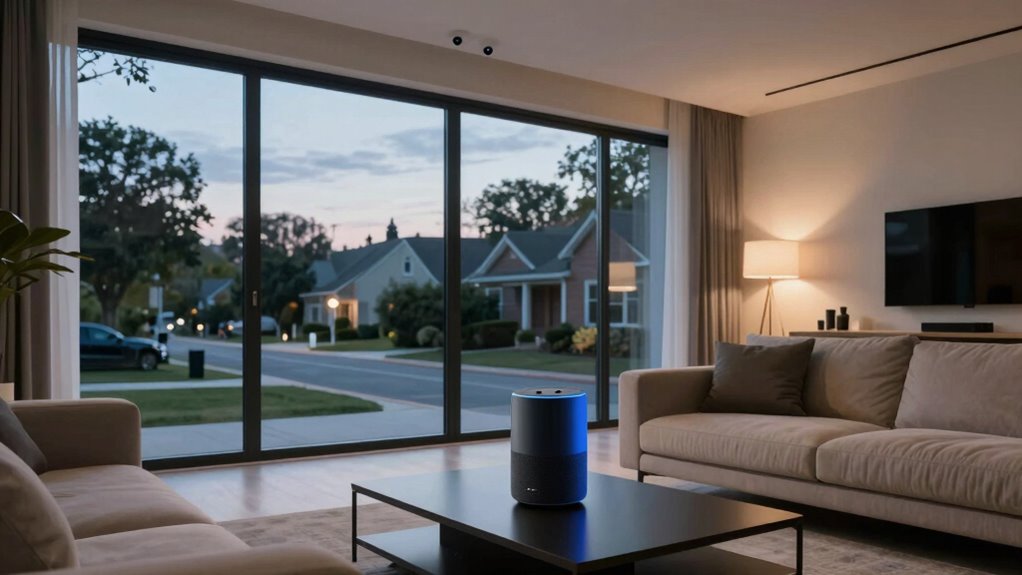

Using smart home devices offers great convenience, but it comes with privacy risks. Your voice commands, location, and habits are constantly collected, stored, and sometimes shared, creating vulnerability to hacking, breaches, and misuse. Although encryption helps, it doesn’t eliminate all threats. The more interconnected your devices, the more data is exposed. If you want to understand how to better protect your privacy while enjoying smart home benefits, there’s more you should know.

Get audio and creator gear delivered free with Prime
- Fast, free delivery on millions of items
- Prime Video, Amazon Music and more included
- Member-only deals all year
Key Takeaways
- Voice-activated devices record and store personal audio data, risking privacy breaches even with encryption.
- Interconnected smart devices create a broader data network vulnerable to hacking and unauthorized access.
- Personal data collected includes habits, routines, and preferences, which can be misused or targeted for advertising.
- Privacy policies are complex and often lack transparency, making it difficult for users to understand data sharing practices.
- Security lapses can expose sensitive information, compromising user privacy and enabling malicious exploitation.
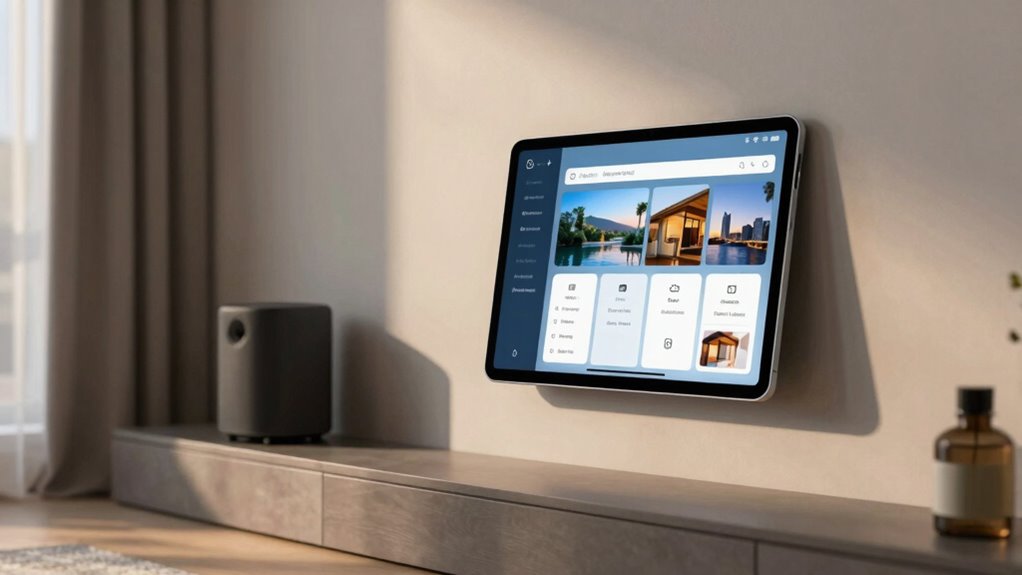
Smart homes offer incredible convenience, but that comes with a significant privacy tradeoff. When you integrate devices like voice-activated assistants, smart thermostats, or connected security systems, you’re opening a direct line between your daily routines and the digital world. Voice recognition technology enables these devices to respond to your commands seamlessly, creating a hands-free experience that feels futuristic and effortless. However, this convenience comes with the risk that your spoken words might be recorded, stored, or even analyzed by the device providers. While many companies claim to use data encryption to protect your information, there’s always a chance that sensitive data could be intercepted or misused.
Every time you speak to your smart home device, you’re fundamentally sharing a snippet of your private life. These voice recordings are often stored on servers, and although encryption helps safeguard this data, breaches can still happen. Data encryption is designed to make your information unreadable to unauthorized parties, but it’s not foolproof. If a hacker manages to bypass these protections, they could potentially access your voice commands, routines, and even personal details. This risk is compounded by the fact that many smart home devices are interconnected, creating a web of data that, if compromised, could reveal a complete picture of your habits, preferences, and schedule. Additionally, the increasing collection of personal data heightens the vulnerability to data breaches and unauthorized sharing. Moreover, the interconnected nature of these devices amplifies the potential impact of any security lapses, making comprehensive protection essential.
Furthermore, as your smart home grows more sophisticated, so does the amount of personal data it collects. From your voice commands to your location and device usage patterns, all of this information could be used for targeted advertising or, worse, malicious purposes. While companies often assure users that they only use this data to improve services, there’s little certainty about how securely this information is stored or whether it might be shared with third parties. The convenience of voice recognition means you can control your environment effortlessly, but it also means constantly sharing your voice and habits with a network that might not be entirely transparent about how your data is protected. In addition, the privacy policies of many smart home providers can be complex and difficult to fully understand, adding another layer of uncertainty for users. Being aware of the data collection practices can help users make more informed decisions about their smart home usage.
smart home privacy protection devices
As an affiliate, we earn on qualifying purchases.
As an affiliate, we earn on qualifying purchases.
Frequently Asked Questions
How Can I Identify if My Smart Devices Are Spying on Me?
To identify if your smart devices are spying on you, start by checking their device data and privacy settings regularly. Look for unusual activity like unexpected data transmission or new device connections. Review the app permissions and privacy policies, and disable any features that seem intrusive. If you notice privacy concerns, consider disconnecting or replacing suspicious devices. Staying vigilant helps safeguard your personal information and guarantees your smart home remains secure.
Are There Any Smart Home Brands With Better Privacy Protections?
Some smart home brands prioritize privacy by implementing strong data encryption and requiring user consent before collecting data. Brands like Apple and Samsung are known for better privacy protections, offering transparent data policies and control over shared information. While these companies aim to safeguard your privacy, you should still review their settings regularly to guarantee your data remains protected, balancing convenience with security in your smart home environment.
What Legal Rights Do I Have Over My Smart Home Data?
You have legal rights over your smart home data, including access, correction, and deletion rights under laws like the GDPR or CCPA. Companies must use data encryption to protect your information and obtain your explicit user consent before collecting or sharing data. You can often request your data, review privacy policies, and demand data security measures, helping you maintain control over your personal information in your smart home environment.
Can Smart Home Devices Be Hacked Easily?
Smart home devices can be hacked, especially if you neglect device encryption and user authentication. Imagine a burglar slipping through an open door—your unsecured smart devices are just as vulnerable. Hackers exploit weak passwords or outdated firmware, gaining access to your cameras or locks. To stay safe, guarantee your devices use strong encryption and enable multi-factor user authentication, making it much harder for intruders to breach your digital sanctuary.
How Do Privacy Policies Vary Between Different Smart Home Products?
Privacy policies differ widely between smart home products. Some prioritize data encryption and clearly ask for user consent before collecting or sharing data, while others might not be as transparent. You should read each product’s privacy policy carefully to understand how your data is protected and whether you’re comfortable with their data collection practices. Always look for policies that emphasize strong data encryption and explicitly require your informed user consent.
As an affiliate, we earn on qualifying purchases.
Conclusion
So, enjoy your smart home’s convenience — just remember, every tap, voice command, or motion detected is a little window into your life. Ironically, the more your home adapts to your needs, the more it’s watching you. It’s a clever tradeoff: you get the comfort, but in return, you hand over your privacy. So, go ahead, cozy up in your “smart” sanctuary — just don’t forget who’s really in control.
smart home security system with encryption
As an affiliate, we earn on qualifying purchases.
As an affiliate, we earn on qualifying purchases.
As an affiliate, we earn on qualifying purchases.
Halloween Picks
halloween
As an affiliate, we earn on qualifying purchases.