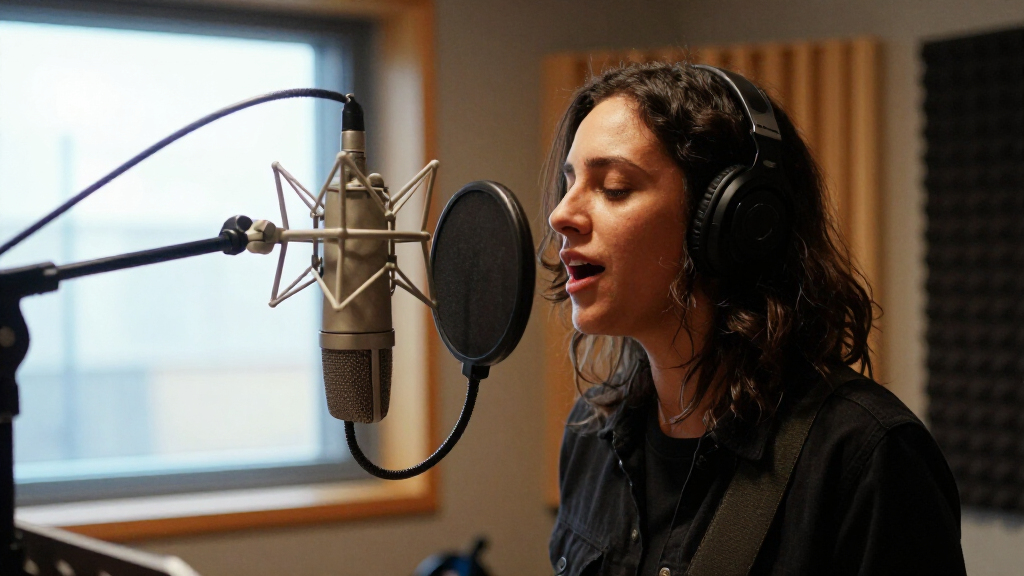

When selecting a studio condenser microphone, it’s essential to balance sound quality, versatility, and budget. The RØDE NT1 Signature Series stands out as the best overall choice for its pristine audio and durability, while the Audio-Technica AT2020 offers excellent value for those new to recording. For high-end needs, the RØDE NT1 5th Gen provides USB-C connectivity and improved features, making it ideal for professional setups. Buyers often face tradeoffs between price, build quality, and the level of detail captured. Continue reading for a detailed breakdown of these options and more to help you find the perfect microphone for your studio.

Get audio and creator gear delivered free with Prime
- Fast, free delivery on millions of items
- Prime Video, Amazon Music and more included
- Member-only deals all year
Complete the kit

Key Takeaways
- Top picks excel in clarity and noise reduction, making them suitable for professional vocals and instruments.
- USB and XLR connectivity options significantly influence setup flexibility and compatibility.
- Price often correlates with build quality and audio fidelity, but affordable options like the AT2020 still deliver solid performance.
- Many high-end microphones include accessories or bundle options that add value but increase initial investment.
- Choosing the right polar pattern (mainly cardioid) is key for minimizing background noise in home or project studios.
| RØDE NT1 Signature Series Studio Condenser Microphone, Black |  | Best Overall Studio Condenser Microphone | Connectivity Technology: XLR | Connector Type: XLR | Polar Pattern: Unidirectional | VIEW LATEST PRICE | See Our Full Breakdown |
| Mackie EM-Series Large-Diaphragm Condenser Microphone (EM-91C) |  | Best Durable Studio Microphone for Versatile Use | Connectivity Technology: XLR | Polar Pattern: Unidirectional | Audio Sensitivity: 78 db | VIEW LATEST PRICE | See Our Full Breakdown |
| Melon Audio MA-87 Studio Condenser Microphone with Accessories |  | Best Budget-Friendly Classic-Style Condenser | Diaphragm Size: 26mm | Capsule Type: Large Diaphragm | Power Requirement: 48V phantom power | VIEW LATEST PRICE | See Our Full Breakdown |
| Maono PM320S Condenser PC Microphone with XLR Cable, Boom Arm, Pop Filter |  | Best Complete Kit for Streaming and Content Creation | Power: 48V phantom power | Capsule Size: 16mm | Frequency Response: 20 Hz – 20 kHz | VIEW LATEST PRICE | See Our Full Breakdown |
| RØDE NT1 5th Gen Studio Condenser Microphone, XLR + USB-C, Silver |  | Best Versatile Microphone with Dual Connectivity | Connectivity: XLR and USB-C | Self-Noise: Lowest for a studio condenser | Digital Conversion: 192kHz, 32-bit float | VIEW LATEST PRICE | See Our Full Breakdown |
| FIFINE T669 Studio Condenser USB Microphone for Recording and Podcasting |  | Best Overall for Ease and Convenience | Connectivity Technology: USB | Connector Type: USB Type-A, USB Type-C | Special Feature: Gain Knob, 8.2ft Detachable USB Cable, Play and Plug, Boom Arm Stand Mic | VIEW LATEST PRICE | See Our Full Breakdown |
| MAONO A04 Gen2 XLR/USB Condenser Microphone Kit for PC Podcast Recording |  | Best Value with Versatile Connectivity | Connectivity: XLR, USB, USB Type-C | Sampling Rate: 192kHz/24bit | Frequency Response: 30Hz-16kHz | VIEW LATEST PRICE | See Our Full Breakdown |
| Audio-Technica AT2020 Cardioid Condenser Studio XLR Microphone, Black |  | Best for Professional-Quality Sound in Home Studios | Connectivity Technology: Wired, XLR | Polar Pattern: Cardioid | Frequency Response: 20 Hz – 20 kHz | VIEW LATEST PRICE | See Our Full Breakdown |
| AKG Pro Audio P120 – Affordable 2/3-Inch Diaphragm Condenser Microphone for Clear Vocals & Instruments |  | Best Budget Choice for Versatile Recording | Polar Pattern: Cardioid | Frequency Bandwidth: 20 – 20000 Hz | Equivalent Noise Level: 19 dB-A | VIEW LATEST PRICE | See Our Full Breakdown |
| studio condenser microphone | Polar Pattern |
|---|---|
| RØDE NT1 Signature Series Stud | Unidirectional |
| Mackie EM-Series Large-Diaphra | Unidirectional |
| Melon Audio MA-87 Studio Conde | — |
| Maono PM320S Condenser PC Micr | Cardioid |
| RØDE NT1 5th Gen Studio Conden | — |
| FIFINE T669 Studio Condenser U | — |
| MAONO A04 Gen2 XLR/USB Condens | Cardioid |
| Audio-Technica AT2020 Cardioid | Cardioid |
| AKG Pro Audio P120 | Cardioid |
More Details on Our Top Picks
RØDE NT1 Signature Series Studio Condenser Microphone, Black
The RØDE NT1 Signature Series stands out for its exceptional low-noise performance, making it ideal for professional vocal recordings and detailed instrument capture. Compared to the Melon Audio MA-87, it offers a warmer, more natural sound with significantly lower self-noise, though it requires an external audio interface due to its XLR-only connection. This pick is perfect for serious home studios or professional setups that prioritize clarity and sound fidelity. The included shock mount, pop filter, and XLR cable add value, but its bulk and lack of USB connectivity may deter those seeking a portable or simplified setup.
Pros:- Excellent low-noise performance for pristine recordings
- Includes comprehensive accessories like shock mount and pop filter
- High SPL handling reduces distortion with loud sources
Cons:- Requires an external audio interface, adding cost and complexity
- Bulkier size makes it less portable
- Limited to XLR connection, not compatible with USB-only setups
Best for: Professional home studio owners and sound engineers needing top-tier audio quality.
Not ideal for: Beginners or content creators who prefer plug-and-play USB microphones for ease of use.
- Connectivity Technology:XLR
- Connector Type:XLR
- Polar Pattern:Unidirectional
- Audio Sensitivity:4 dB
- Microphone Form Factor:Large Diaphragm
- Signal-to-Noise Ratio:78 dB
Our verdict“This microphone suits professionals seeking high-quality, noise-free recordings in a dedicated studio environment.”
Mackie EM-Series Large-Diaphragm Condenser Microphone (EM-91C)
The Mackie EM-91C offers professional sound quality with robust stainless steel construction, making it suited for both studio vocals and instrument recording. Compared to the RØDE NT1, it benefits from a more portable and durable design, though it’s slightly less refined in noise performance at 78 dB SNR. Its cardioid pattern effectively minimizes room ambiance, making it a reliable choice for home studios and mobile setups. The inclusion of a shock mount and XLR cable simplifies setup, but the need for external power (AAA batteries) and its studio-centric focus mean it’s less suitable for live scenarios or casual content creators.
Pros:- Durable stainless steel build for longevity
- Reliable cardioid pattern reduces ambient noise
- Includes shock mount and XLR cable for convenience
Cons:- Requires AAA batteries, adding to setup complexity
- Less suitable for live performances or quick setups
- Designed primarily for studio use, limiting portability
Best for: Musicians and producers needing a durable, versatile microphone for studio use and mobile recording.
Not ideal for: Vloggers or streamers seeking USB microphones for quick, simple setups.
- Connectivity Technology:XLR
- Polar Pattern:Unidirectional
- Audio Sensitivity:78 db
- Enclosure Material:Stainless steel
- Item Dimensions:6.1 x 1.85 x 1.85 inches
- Item Weight:0.2 kg
Our verdict“This mic is ideal for users who prioritize durability and versatility in a studio environment.”
Melon Audio MA-87 Studio Condenser Microphone with Accessories
The Melon Audio MA-87 emphasizes balanced, clear sound with its large 26mm capsule, making it suitable for vocals, podcasts, and streaming. It offers a classic aesthetic reminiscent of high-end Neumann models, but this design may influence perceptions of authenticity for purists. Compared to the RØDE NT1, it provides a similar detailed sound but with a slightly more vintage vibe and a metal build that withstands daily use. Its need for phantom power and an audio interface makes it less immediately accessible for beginners, yet it provides excellent value for those with existing equipment.
Pros:- Balanced, clear sound with large diaphragm design
- Includes essential accessories like shock mount and pop filter
- Durable metal construction for daily use
Cons:- Requires phantom power and an audio interface
- Design may seem less authentic for those seeking a true vintage look
- Not ideal for live or portable use without additional gear
Best for: Podcasters and streamers seeking a visually appealing, balanced sound at a moderate price point.
Not ideal for: Beginners without existing audio interfaces or phantom power supplies who prefer USB microphones.
- Diaphragm Size:26mm
- Capsule Type:Large Diaphragm
- Power Requirement:48V phantom power
- Connectivity:XLR
- Included Accessories:Shock mount, pop filter, XLR cable
- Material:Metal
Our verdict“This microphone offers a reliable, stylish option for those with existing recording gear aiming for professional-quality vocals.”
Maono PM320S Condenser PC Microphone with XLR Cable, Boom Arm, Pop Filter
The Maono PM320S provides a comprehensive setup, including a large 16mm capsule, boom arm, shock mount, and pop filter, making it highly suitable for streamers and content creators. Compared with the Melon Audio MA-87, it offers a more all-in-one approach, especially for those starting out or upgrading a streaming setup. Its cardioid pattern and included accessories help reduce background noise and improve sound quality, though its reliance on 48V phantom power limits portability. Unlike USB-only models, this setup demands some additional equipment, but it’s a solid choice for dedicated content production.
Pros:- Complete all-in-one recording kit including boom arm and accessories
- High-quality condenser capsule for studio-grade sound
- Effective noise reduction with shock mount and pop filter
Cons:- Requires 48V phantom power, limiting mobility
- No built-in USB connection, requiring external audio interface
- Maximum frequency response not specified
Best for: Streamers and YouTubers who want a ready-to-use, high-quality recording setup without extra purchases.
Not ideal for: On-the-go creators needing a portable or USB-only microphone for quick setups.
- Power:48V phantom power
- Capsule Size:16mm
- Frequency Response:20 Hz – 20 kHz
- Polar Pattern:Cardioid
- Included Accessories:Boom arm, shock mount, pop filter, XLR cable
- Cable Length:98 inches
Our verdict“This kit is perfect for serious streamers and content creators who want a professional setup right out of the box.”
RØDE NT1 5th Gen Studio Condenser Microphone, XLR + USB-C, Silver
The RØDE NT1 5th Gen excels by offering both XLR and USB-C connections, making it extremely flexible for home and professional studios alike. Compared with the Mackie EM-91C, it provides higher digital resolution with up to 192kHz/32-bit float conversion, translating into clearer, more detailed recordings. Its ultra-low self-noise and high SPL handling cater to vocalists, voiceover artists, and podcasters who demand pristine sound. The advanced digital features come at a higher price point, but for those who need both analog and digital options, this model offers unmatched versatility.
Pros:- Dual XLR and USB-C connectivity for maximum flexibility
- Ultra-low noise floor for professional-quality sound
- High-resolution digital conversion for detailed recordings
Cons:- Higher cost compared to single-connection microphones
- Requires some understanding of digital and analog setup
- No specific frequency response data provided
Best for: Home recording enthusiasts who want a single microphone capable of professional digital and analog outputs.
Not ideal for: Beginners or users with minimal technical knowledge who prefer straightforward USB microphones.
- Connectivity:XLR and USB-C
- Self-Noise:Lowest for a studio condenser
- Digital Conversion:192kHz, 32-bit float
- Preamp:Revolution Preamp™
- Material:High-grade aluminium
- Color:Silver
Our verdict“This microphone suits advanced users seeking a versatile, high-fidelity recording solution for multiple setups.”
FIFINE T669 Studio Condenser USB Microphone for Recording and Podcasting
The FIFINE T669 stands out for its straightforward plug-and-play USB setup, making it an ideal choice for beginners or those who want quick results without sacrificing sound quality. Compared with the AKG P120, it offers a more user-friendly experience with a complete kit, including a boom arm and pop filter. However, its limited compatibility with gaming consoles like Xbox might restrict some users. The sturdy metal construction and wide frequency response deliver clear, professional-sounding recordings, especially suited for podcasts, voiceovers, or streaming. The tradeoff is that it demands external stands or mounts for optimal positioning, and accessories may not satisfy more advanced needs.
Pros:- Easy plug-and-play USB connection for quick setup
- Includes a durable boom arm and pop filter for professional quality
- Wide frequency response ensures clear sound reproduction
Cons:- Incompatible with Xbox consoles, limiting gaming use
- Requires external stand or mount for optimal positioning
Best for: Content creators, podcasters, and streamers seeking a hassle-free setup with reliable quality
Not ideal for: Advanced studio users or gamers needing Xbox compatibility or custom mounts
- Connectivity Technology:USB
- Connector Type:USB Type-A, USB Type-C
- Special Feature:Gain Knob, 8.2ft Detachable USB Cable, Play and Plug, Boom Arm Stand Mic
- Frequency Response:20 Hz – 20 KHz
- Signal-to-Noise Ratio:78 dB
- Enclosure Material:Metal
Our verdict“This mic offers excellent value for newcomers and streamers prioritizing simplicity and solid audio quality.”
MAONO A04 Gen2 XLR/USB Condenser Microphone Kit for PC Podcast Recording
The MAONO A04 Gen2 offers remarkable flexibility with both XLR and USB connections, making it suitable for users who need adaptability across different recording setups. Unlike the Audio-Technica AT2020, which is strictly XLR, the A04’s dual connectivity allows quick switching between professional studio gear and simple USB setups. It includes a comprehensive set of accessories — shock mount, pop filter, and adjustable arm stand — which are often missing in budget options. The primary tradeoff is that it doesn’t come with an XLR cable and requires phantom power for XLR use, which might add to setup complexity. This makes it a versatile yet slightly more demanding choice for those wanting a full-featured kit.
Pros:- Dual XLR and USB connectivity for maximum flexibility
- Includes a full set of professional accessories
- High-resolution audio with 192kHz/24bit sampling
Cons:- XLR cable must be purchased separately
- Requires phantom power for XLR, adding complexity
Best for: Podcasters and content creators who want a flexible microphone for both home and studio environments
Not ideal for: Users with limited space or those who prefer a dedicated USB or XLR system without switching
- Connectivity:XLR, USB, USB Type-C
- Sampling Rate:192kHz/24bit
- Frequency Response:30Hz-16kHz
- Polar Pattern:Cardioid
- Included Accessories:Pop filter, foam windscreen, shock mount, adjustable arm stand
Our verdict“Ideal for versatile users seeking a comprehensive kit that adapts to various recording needs, despite requiring some extra setup effort.”
Audio-Technica AT2020 Cardioid Condenser Studio XLR Microphone, Black
The AT2020 is a staple for those seeking a professional-grade microphone without the premium price. Its extended frequency response and high SPL handling make it a strong contender against more expensive models like the RØDE NT1. Unlike the MAONO A04, it’s a purely XLR device requiring an audio interface and phantom power, which can be a hurdle for solo users but ensures cleaner, studio-level sound. Its durable metal build and cardioid pattern provide excellent rejection of unwanted noise, ideal for capturing vocals and instruments clearly. The main compromise is that it lacks bundled accessories, so additional purchases are necessary for a complete setup.
Pros:- Exceptional sound quality with extended frequency response
- Rugged metal construction for durability
- High SPL handling suitable for loud sources
Cons:- Requires phantom power, not compatible with all devices
- No included stand or accessories
Best for: Home studio users and professionals needing high-quality audio without investing in premium equipment
Not ideal for: Beginners or those seeking a simple USB microphone setup, due to its reliance on phantom power and external interface
- Connectivity Technology:Wired, XLR
- Polar Pattern:Cardioid
- Frequency Response:20 Hz – 20 kHz
- Impedance:200 ohm
- Signal-to-Noise Ratio:74 dB
Our verdict“Perfect for users who want professional sound quality with a dedicated XLR setup, despite the need for additional hardware.”
AKG Pro Audio P120 – Affordable 2/3-Inch Diaphragm Condenser Microphone for Clear Vocals & Instruments
The AKG P120 provides a straightforward, affordable option for capturing clear vocals and instruments. Its consistent performance is comparable to the RØDE NT1 Signature in terms of clarity, but with a more accessible price point. The cardioid pattern helps isolate the sound source, making it suitable for project studios and home setups. Unlike the Audio-Technica AT2020, it offers a wider frequency bandwidth and good SPL handling, though it lacks some advanced features like shock mounts or pop filters. Its simple design makes it a reliable choice for those starting out or on a tight budget, but it requires phantom power and additional accessories for best results.
Pros:- Affordable price with solid performance
- Clear, detailed sound suitable for multiple applications
- Durable build quality for long-term use
Cons:- Limited to cardioid polar pattern only
- No included shock mount or pop filter
Best for: Beginners and hobbyists seeking a versatile, budget-friendly microphone for vocals and instruments
Not ideal for: Professional studios or users needing maximum noise isolation or advanced features
- Polar Pattern:Cardioid
- Frequency Bandwidth:20 – 20000 Hz
- Equivalent Noise Level:19 dB-A
- Sensitivity:24 mV/Pa
- Preattenuation Pad:-20 dB
Our verdict“A dependable, affordable microphone that balances simplicity and sound quality for home recording newcomers.”
How We Picked
These microphones were evaluated based on sound quality, build durability, usability, versatility, and value. We prioritized models that deliver clear, natural audio with minimal noise and distortion. Ease of setup and compatibility with various recording systems also played a role, especially for beginners and professionals alike. Products were ranked by how well they balance performance and affordability, with special attention to their suitability for different recording environments and user needs.| studio condenser microphone | Polar Pattern |
|---|---|
| RØDE NT1 Signature Series Stud | Unidirectional |
| Mackie EM-Series Large-Diaphra | Unidirectional |
| Melon Audio MA-87 Studio Conde | — |
| Maono PM320S Condenser PC Micr | Cardioid |
| RØDE NT1 5th Gen Studio Conden | — |
| FIFINE T669 Studio Condenser U | — |
| MAONO A04 Gen2 XLR/USB Condens | Cardioid |
| Audio-Technica AT2020 Cardioid | Cardioid |
| AKG Pro Audio P120 | Cardioid |
Factors to Consider When Choosing Studio Condenser Microphones
Selecting the right studio condenser microphone involves understanding several key factors. Beyond just sound quality, considerations like connectivity options, build quality, and intended use shape the best choice for each buyer. Recognizing your specific needs—whether recording vocals, instruments, or podcasts—can help narrow your options and prevent overspending on features you won’t use. Keep in mind that some tradeoffs, like higher price versus better durability or sound fidelity, are common in this category.Connectivity Options: XLR vs USB
Choosing between XLR and USB microphones significantly impacts your setup and flexibility. XLR mics typically require an audio interface but offer higher sound quality and expandability for professional use. USB microphones are plug-and-play and ideal for beginners or quick setups, but may have limitations in audio fidelity. Consider whether you plan to upgrade your system later or need portability, as this choice influences your overall investment and workflow.
Sound Quality and Polar Patterns
Sound quality depends heavily on the microphone’s diaphragm and internal circuitry. Large-diaphragm models generally produce warmer, fuller tones suitable for vocals and instruments. The cardioid polar pattern is most common, focusing on sound directly in front and rejecting background noise, which is vital for home studios. Some models offer switchable patterns for greater versatility, but these tend to come at a higher price point. Matching your recording environment and sound goals with these features boosts your results.
Build Quality and Durability
Studio microphones are an investment, so durability matters, especially if you plan to move or travel with your gear. Metal construction typically indicates better longevity compared to plastic-enclosed models. Higher-end brands often include shock mounts and pop filters to protect the microphone and improve sound quality, but these add to the initial cost. Weighing build quality against budget helps ensure your microphone remains reliable over time.
Budget and Total Value
While premium microphones deliver exceptional detail, they come with a higher price tag. For many, a mid-range model like the AT2020 offers a balanced combination of performance and affordability. Bundled kits that include accessories like shock mounts, cables, and stands can provide better overall value, especially for beginners. Be cautious of very cheap options that may compromise on sound clarity or durability, as this often results in needing a replacement sooner.
Additional Features and Accessories
Extras like built-in pop filters, shock mounts, and multiple polar patterns can improve recording quality and convenience. USB microphones with headphone outputs facilitate real-time monitoring, which is essential for singers and podcasters. Consider whether these features align with your recording style and whether investing in quality accessories now can save money and improve results later.
Frequently Asked Questions
Can I use a condenser microphone for live performances?
While condenser microphones excel in capturing detailed studio recordings, they are generally less suitable for live performances due to their sensitivity and propensity to pick up background noise. For stage use, dynamic microphones tend to be more durable and focused, reducing feedback and unwanted sounds. If you do need a condenser for live scenarios, look for models with robust construction and cardioid patterns designed to minimize spill and feedback.
Is it worth investing in a microphone with USB-C instead of XLR?
Microphones with USB-C connectivity offer a straightforward, plug-and-play experience, ideal for beginners and quick setups. They eliminate the need for an audio interface, reducing overall cost and complexity. However, they typically don’t match the audio fidelity and expandability of XLR systems, which are better suited for professional environments. If you anticipate upgrading your system or require the highest sound quality, an XLR mic paired with a quality interface is generally the better long-term choice.
How much should I spend on a good studio condenser microphone?
Expect to pay between $100 and $300 for a solid entry-level to mid-range studio condenser microphone. Premium models can exceed $500, offering exceptional detail and build quality for professional studios. Your budget should reflect your intended use—casual recording might get by with affordable options, but professional vocal or instrument work benefits from investing in higher-end gear. Remember, spending more often yields better durability and sound clarity, but many mid-tier microphones perform remarkably well for most users.
Do I need a pop filter or shock mount?
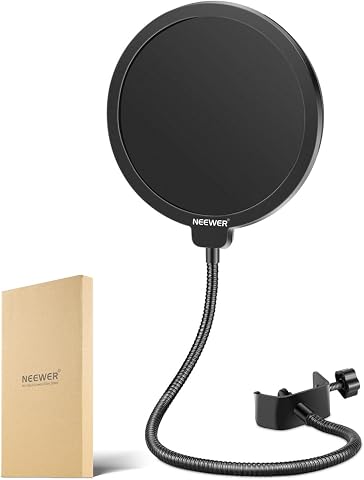
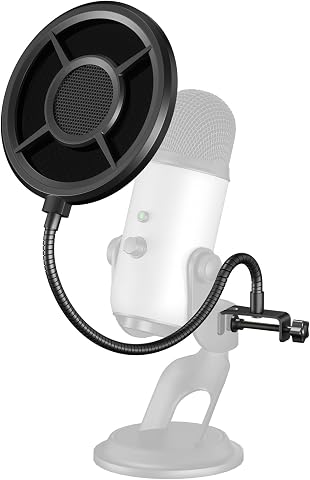
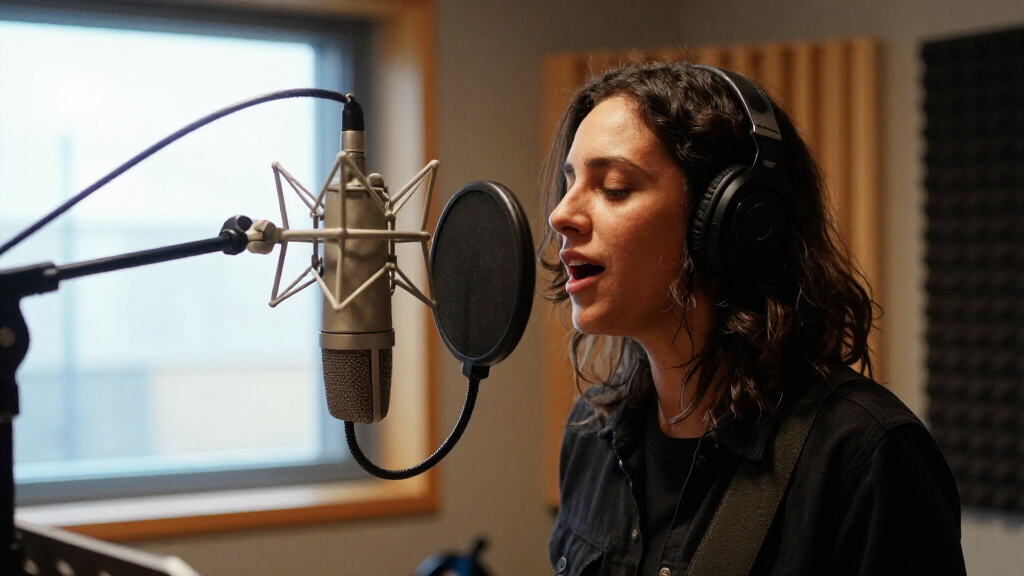
Both accessories significantly enhance recording quality. A pop filter reduces plosive sounds that can cause distortion, especially in close-mic scenarios. A shock mount minimizes vibrations and handling noise, ensuring cleaner recordings. While some microphones come bundled with these accessories, it’s worth investing in quality versions separately if not included. These additions help preserve the microphone’s lifespan and improve the overall clarity of your recordings, making them worthwhile investments.
Are condenser microphones suitable for podcasting?
Condenser microphones are often preferred for podcasting due to their sensitivity and ability to capture clear, detailed speech. They excel in controlled environments where background noise is minimized. However, because of their sensitivity, they may pick up unwanted room sounds or background noise in less treated spaces. For best results, use a condenser with a cardioid pattern and sound-treated environment, or consider more durable, less sensitive options if your recording space isn’t acoustically ideal.
Conclusion
For those seeking the best overall performance, the RØDE NT1 Signature Series offers unmatched clarity and build quality. Budget-conscious buyers should consider the Audio-Technica AT2020 for reliable sound at an affordable price. Professionals or serious hobbyists looking for top-tier features might prefer the RØDE NT1 5th Gen with USB-C connectivity. Beginners or casual users will find value in simple plug-and-play options like the FIFINE T669, while those with specific recording needs might choose models like the AKG P120 for clear vocals and instruments. Understanding your goals and environment will help you select the microphone that fits your workflow and budget most effectively.
As an affiliate, we earn on qualifying purchases.Halloween Picks
halloween