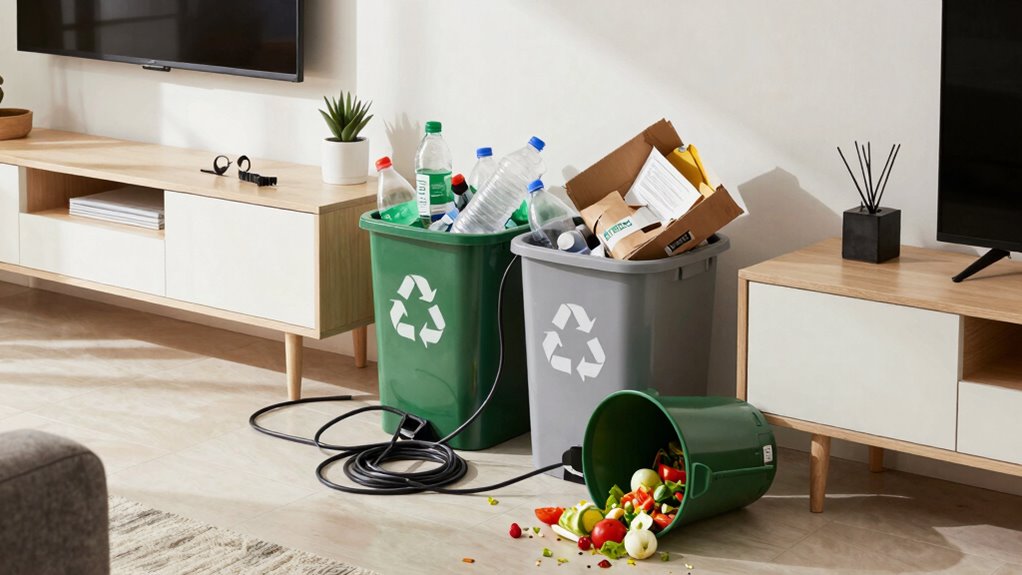

One common mistake is choosing eco-friendly materials without considering their full lifecycle or sourcing impacts, which can create more waste. Relying solely on household habits like short showers and rainwater harvesting isn’t enough if you ignore proper waste sorting or excessive packaging. Installing solar panels and eco appliances doesn’t fix waste issues from disposable items or packaging. To truly reduce waste, you need to understand the full picture and incorporate mindful practices—keep going to discover how you can improve your eco efforts even further.
Prime for Young Adults — start your free trial
Fast free delivery, streaming and member deals for eligible 18–24 year olds.
As an affiliate, we earn on qualifying purchases.
Key Takeaways
- Choosing eco-friendly materials without considering supply chain impacts can increase overall environmental waste.
- Relying solely on appliances like low-flow fixtures without behavioral changes limits water conservation benefits.
- Using disposable items instead of durable, reusable products leads to higher landfill waste.
- Improper waste sorting and limited recycling awareness reduce material recovery and increase waste sent to landfills.
- Focusing only on energy-saving measures without addressing waste reduction can inadvertently create more trash.
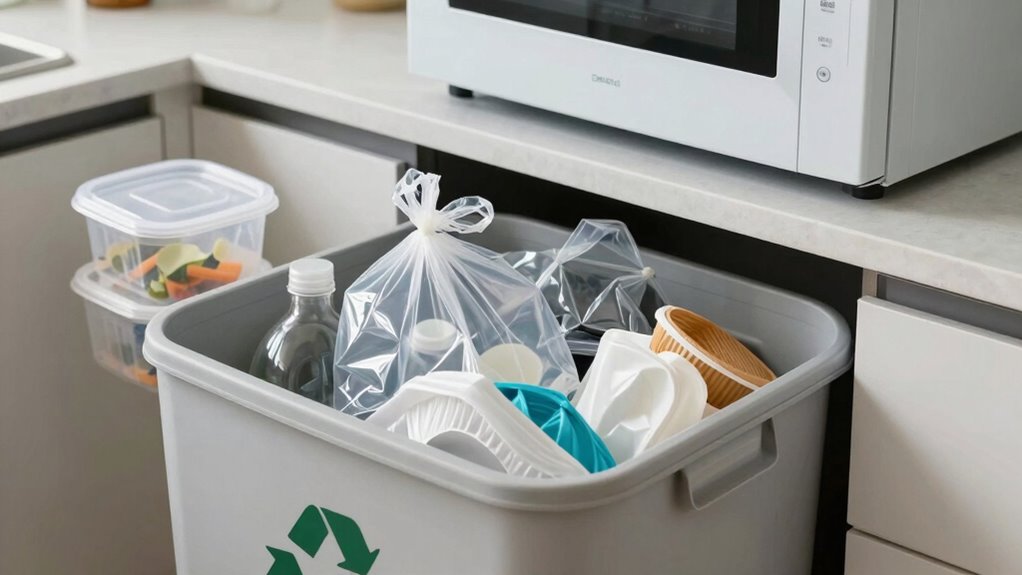
Many homeowners aiming for sustainability often make mistakes that can undermine their efforts, even when they have the best intentions. One common error is choosing eco friendly materials without considering their full lifecycle or how they’re sourced. You might select recycled wood or bamboo for flooring, thinking you’re making an environmentally responsible choice, but if these materials are transported from distant locations or produced with high energy costs, the overall environmental benefit diminishes. It’s essential to research not just the material itself but also its supply chain and manufacturing impact. Opt for locally sourced, sustainably harvested materials whenever possible to truly reduce your home’s carbon footprint.
Water conservation is another area where well-meaning homeowners sometimes fall short. You might install low-flow fixtures or drought-tolerant plants, which are good steps, but neglect to adopt simple habits that considerably cut water use. Taking shorter showers, fixing leaks promptly, and running dishwashers and laundry machines only when full can save gallons of water daily. These small changes, combined with efficient fixtures, can make a big difference. It’s also worth considering rainwater harvesting systems to supplement your water needs, especially in dry seasons. By actively conserving water, you avoid wasting this precious resource and reduce the energy used to treat and pump water, making your home more sustainable overall.
Another mistake is overemphasizing energy savings at the expense of waste reduction. You may install solar panels and energy-efficient appliances but still generate unnecessary waste through packaging and single-use items. For instance, buying products with excessive packaging or opting for disposable paper towels instead of reusable cloths increases waste that ends up in landfills. You need to think holistically about sustainability—using reusable, durable items and shopping thoughtfully helps prevent waste from accumulating. Composting food scraps and yard waste further minimizes trash and produces valuable compost for your garden. Additionally, understanding the full lifecycle of products can help you make more informed choices that support long-term sustainability. Incorporating waste reduction strategies into your daily routine is vital for achieving a truly sustainable home. Moreover, practicing mindful consumption can greatly reduce overconsumption and its environmental impact.
Additionally, some homeowners overlook the importance of proper waste management and recycling. Simply having a recycling bin isn’t enough if you’re not sorting waste correctly or if your local recycling program doesn’t accept certain materials. Educate yourself on what can and can’t be recycled in your area, and make sure your waste disposal habits align with those guidelines. This prevents recyclable materials from ending up in the trash and reduces overall waste. Learning about waste sorting practices can help you improve your household recycling efforts and ensure maximum material recovery. Furthermore, incorporating biodiversity-friendly practices in your home can help support local ecosystems and reduce environmental harm. In essence, sustainability is about more than just making one or two eco-friendly choices; it’s about integrating mindful habits into everyday life. By carefully selecting eco friendly materials, practicing water conservation, reducing waste, and understanding waste management, you can truly make your home a model of sustainability rather than inadvertently creating more waste than you intend.
As an affiliate, we earn on qualifying purchases.
Frequently Asked Questions
How Can I Identify Hidden Sources of Waste in My Home?
To identify hidden sources of waste in your home, start by examining your recycling habits and how efficiently you sort waste. Check for leaks or inefficient fixtures that increase water usage, like running toilets or dripping taps. Look for overlooked packaging or single-use items that could be reduced. Pay attention to energy-consuming devices left on standby, and consider waste audits to uncover areas where you can cut back and make your home more sustainable.
What Are the Most Overlooked Sustainable Home Mistakes?
Are you aware of the most overlooked sustainable home mistakes? You might be practicing eco-friendly habits but still fall for recycling misconceptions, which can lead to more waste. Ignoring proper waste separation or overusing single-use products are common errors. Small changes like educating yourself on recycling rules and minimizing unnecessary packaging can make a big difference. Don’t underestimate the impact of overlooked habits—they’re often the key to truly sustainable living.
How Do I Measure My Home’s Environmental Impact Accurately?
To measure your home’s environmental impact accurately, start by tracking your energy consumption and switch to renewable energy sources where possible. Assess your use of eco-friendly materials in renovation or construction projects. Use online tools or carbon calculators to estimate your carbon footprint, considering factors like waste generation and water use. Regularly review these metrics to identify areas for improvement and make informed decisions to reduce your home’s overall environmental impact.
Are There Affordable Ways to Improve Waste Management at Home?
Think of waste management as tending a garden—you need simple tools and consistent care. You can upgrade your home eco-friendly without breaking the bank by adopting waste reduction tips like composting kitchen scraps and using reusable bags. Small eco-friendly upgrades, such as compost bins or water-saving devices, make a big difference. These affordable steps help you cut down waste, nurture your home, and turn everyday habits into a sustainable rhythm.
How Often Should I Review My Sustainable Practices for Effectiveness?
You should review your sustainable practices, like recycling habits and energy consumption, every 3 to 6 months. Regular check-ins help you identify areas where you’re wasting resources or could improve. By staying proactive, you catch inefficiencies early and make adjustments, ensuring your efforts remain effective. Consistent reviews help you reduce waste, lower energy use, and keep your home environmentally friendly over the long term.
As an affiliate, we earn on qualifying purchases.
Conclusion
You might think your efforts towards a sustainable home are enough, but sometimes small mistakes—like forgetting to recycle or overbuying eco-friendly products—can undo your good intentions. It’s funny how a simple oversight, like leaving the lights on or not composting, can add up unexpectedly. Just like noticing a tiny crack in the window that lets in cold air, these small errors can create more waste than you realize. Stay mindful, and your eco-friendly home will truly make a difference.
As an affiliate, we earn on qualifying purchases.
sustainable home waste sorting system
As an affiliate, we earn on qualifying purchases.
As an affiliate, we earn on qualifying purchases.
NFL season / tailgating Picks
team gear
As an affiliate, we earn on qualifying purchases.