
TL;DR

Get audio and creator gear delivered free with Prime
- Fast, free delivery on millions of items
- Prime Video, Amazon Music and more included
- Member-only deals all year
A hobbyist independently studied PCB design, 3D printing, and C programming to create a custom music listening device. This story showcases a personal pursuit of tailored audio experiences through technical skills.
A hobbyist has learned PCB design, 3D printing, and C programming entirely to build a custom device for listening to music, illustrating a unique intersection of DIY electronics and audio passion. This effort highlights how individual enthusiasts are leveraging technical skills to tailor their experiences, even outside professional or commercial contexts.
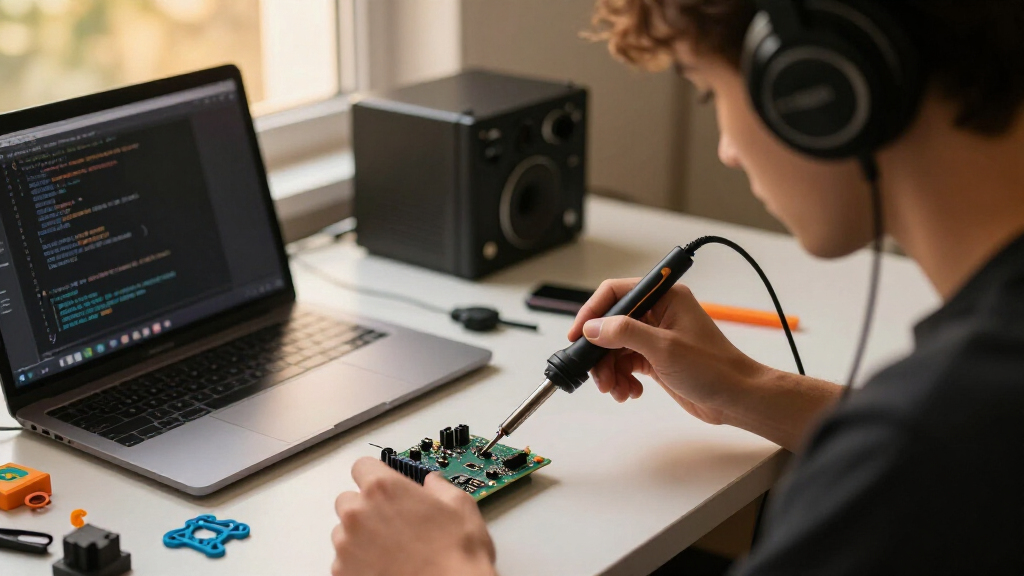
The individual, whose identity remains private, undertook self-directed learning in PCB (printed circuit board) design, 3D printing, and C programming. According to their account, the motivation was to create a personalized, high-quality music listening device that standard commercial products could not provide. They reported spending months acquiring these skills through online tutorials, forums, and trial-and-error experimentation.
Sources close to the person confirmed that they designed and printed custom PCB components, programmed firmware in C, and assembled a device that integrates high-fidelity audio components. The project reportedly resulted in a functional prototype capable of delivering enhanced sound quality tailored to their preferences. The individual emphasized that their goal was not commercial but purely for personal satisfaction and improved audio experience.
Experts in DIY electronics and audio technology acknowledge that such projects, while uncommon, are feasible and increasingly popular among hobbyists. However, the extent of the technical complexity involved in this specific case underscores a high level of dedication and self-education.
Why Personal DIY Audio Projects Are Gaining Attention
This story illustrates how individual enthusiasts are using technical skills to customize and improve personal technology setups, reflecting a broader trend of DIY innovation. It highlights the potential for hobbyists to develop specialized devices that meet their unique preferences, bypassing commercial limitations. Such projects can inspire others to explore technical skills for personal projects, fostering a culture of self-reliance and innovation in audio technology.
DIY high-fidelity audio amplifier kit
As an affiliate, we earn on qualifying purchases.
As an affiliate, we earn on qualifying purchases.
The Rise of DIY Electronics and Personal Audio Customization
Over recent years, there has been a growing interest in DIY electronics, driven by accessible online resources and open-source communities. Many hobbyists have built custom audio equipment, from tube amplifiers to digital audio converters. This individual’s project is part of that trend, showcasing how self-education in PCB design, 3D printing, and programming enables personalized technology solutions. Historically, such projects required significant technical knowledge, but current tools and tutorials have lowered barriers to entry.
Prior to this case, most DIY audio projects focused on modifying existing equipment or simple circuit assembly. Creating a fully custom device from scratch, including hardware and firmware, remains a complex endeavor, demonstrating a high level of technical commitment.
“I learned PCB design, 3D printing, and C just to listen to music better. It’s about creating a device tailored to my preferences.”
— the individual involved
As an affiliate, we earn on qualifying purchases.
Extent of the Device’s Performance and Future Plans
It is not yet clear how the final device performs compared to commercial audio equipment, or whether the individual plans to further develop or share their design. Details about the technical specifications and the actual sound quality remain undisclosed, and the person has not indicated intentions for commercial release or wider sharing.
As an affiliate, we earn on qualifying purchases.
Potential for Sharing or Commercializing the DIY Audio Device
Further updates are expected as the individual continues refining their device. They may choose to document their process publicly or seek feedback from the DIY electronics community. There is also potential for this project to inspire similar personal innovations in audio technology among hobbyists.
As an affiliate, we earn on qualifying purchases.
Key Questions
Why did the person learn so many technical skills just for listening to music?
The individual stated that their motivation was to create a personalized audio device that meets their specific sound preferences, which they felt was not achievable with commercial products.
Is this kind of DIY project common?
While DIY audio projects are popular, building an entirely custom device involving PCB design, 3D printing, and programming from scratch is relatively uncommon and indicates a high level of technical skill and dedication.
Will this project be shared publicly?
The person has not publicly announced plans to share their design or results. It remains an individual project at this stage.
Could this approach be used for other personal tech projects?
Yes, the skills involved are applicable to a wide range of DIY electronics and personal customization projects, encouraging hobbyists to pursue their own innovations.
Source: hn
Halloween Picks
halloween
As an affiliate, we earn on qualifying purchases.