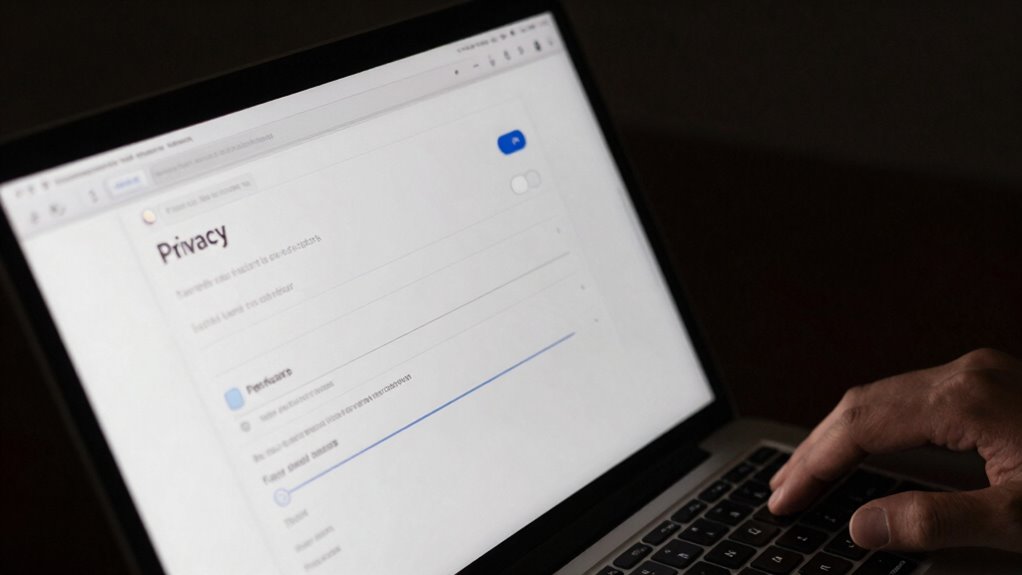

Many people rarely revisit their privacy settings, leaving their personal info exposed to evolving threats and policy updates. You might have set your preferences once but missed recent features or tighter controls. Regularly reviewing your privacy options helps you stay in charge of who sees your posts, contacts, or data. Encrypted data, user consent, and evolving policies all require ongoing attention. Keep an eye on these areas, and you’ll better protect your digital footprint as circumstances change.

Get audio and creator gear delivered free with Prime
- Fast, free delivery on millions of items
- Prime Video, Amazon Music and more included
- Member-only deals all year
Key Takeaways
- Many users set privacy preferences once and neglect periodic reviews, risking exposure to data breaches.
- Default privacy settings tend to favor sharing, requiring user intervention to restrict data visibility.
- Privacy policies and features evolve, making regular reviews essential to maintain control over personal information.
- Data encryption settings need periodic checks to ensure ongoing protection of information in transit and at rest.
- Staying informed about policy updates and managing settings proactively enhances overall data security and privacy.
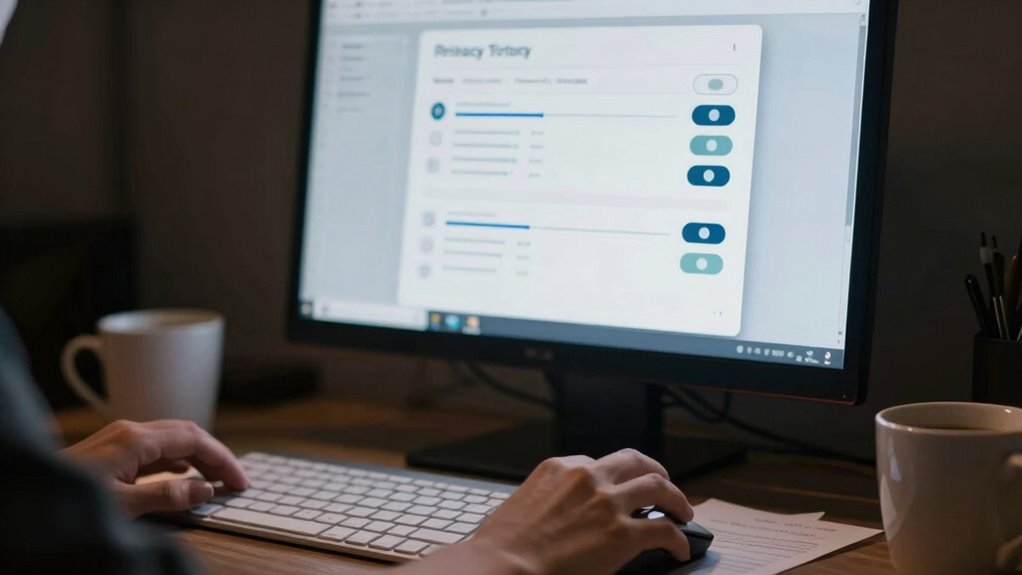
In today’s digital world, managing your privacy settings is essential to protect your personal information from unwanted access. Many people set their privacy preferences once and forget about them, leaving themselves vulnerable to data breaches or unauthorized use of their information. However, privacy settings aren’t a “set it and forget it” feature. For example, some platforms allow you to control who can see your posts, who can contact you, or how much of your activity is visible to the public. If you don’t revisit these settings periodically, you might be sharing more than you intend, especially if privacy policies change. Privacy defaults often lean toward sharing, so it’s up to you to tighten these controls. Also, check whether your platforms are using data encryption in transit and at rest. Strong encryption practices protect your data from hackers and unauthorized access, but only if you’ve enabled or consented to these protections. User consent is a critical component—without it, your data could be used in ways you’re not comfortable with or even legally protected against. Additionally, understanding data encryption can help you better evaluate how securely your information is being stored and transmitted. Regularly reviewing your privacy settings can also help you identify potential vulnerabilities before they become serious issues. Remember that privacy policies can be updated, so staying informed ensures you’re aware of any changes that may impact your data security.
Another reason to revisit your privacy settings is to stay informed about new options and features. As technology evolves, so do privacy tools, and companies may introduce settings that better shield your information. By proactively managing these options, you not only safeguard your data but also exercise control over your digital footprint. It’s easy to assume your privacy is secured once you’ve adjusted your settings, but threats and policies evolve. Regularly reviewing your preferences ensures you’re still comfortable with how your data is being handled. Ultimately, taking the time to check your privacy settings, understand data encryption, and give informed user consent empowers you to protect your personal information more effectively in an increasingly interconnected world.
privacy settings management software
As an affiliate, we earn on qualifying purchases.
As an affiliate, we earn on qualifying purchases.
Frequently Asked Questions
How Often Should I Review My Privacy Settings?
You should review your privacy settings at least once every three to six months. During these reviews, check for privacy policy updates that could affect your data, and update your account security tips accordingly. Technology and platforms change frequently, so staying proactive keeps your information safe and private. Regularly revisiting your settings guarantees you’re aware of new features, controls, and potential risks, giving you better control over your online presence.
Do Privacy Settings Vary Between Social Media Platforms?
Privacy settings are like different locks on various doors—they vary between social media platforms. You’ll find that each platform’s privacy defaults and options differ, so what’s private on one might not be on another. Platform differences mean you need to review and adjust your settings for each one, ensuring your privacy is consistently protected. Don’t assume all platforms offer the same controls; take time to customize your privacy preferences accordingly.
Can Privacy Settings Be Customized for Different Audiences?
Yes, you can customize privacy settings for different audiences. Many platforms offer audience-specific privacy options, allowing you to control who sees your posts, profile details, or activity. This customization flexibility lets you share openly with friends, restrict access to strangers, or create tailored groups. By adjusting these settings, you maintain greater control over your online presence, ensuring your content reaches only the intended audience while protecting your privacy.
Are There Hidden Privacy Options Not Visible in Settings?
Think of hidden privacy options like secret rooms in a house—there are often privacy mysteries lurking behind seemingly closed doors. Yes, there are hidden options not easily visible in settings, designed for advanced users or specific purposes. These hidden options can control data sharing, ad preferences, or account visibility. Exploring these can give you better control over your privacy, but be cautious—some settings are intentionally less obvious to protect user security.
How Do Privacy Settings Affect Targeted Advertising?
Privacy settings directly impact targeted advertising by controlling your data collection and ad personalization preferences. When you adjust these settings, you limit how much information platforms gather about you, which in turn reduces how tailored your ads are. By revisiting and customizing your privacy options, you can minimize data collection, thereby making ads less personalized and more generic, helping you regain control over your online privacy and ad experiences.
data encryption tools for personal computers
As an affiliate, we earn on qualifying purchases.
As an affiliate, we earn on qualifying purchases.
Conclusion
Think of your privacy settings as a hidden garden, lush and full of potential, yet often overlooked. When you revisit and tend to it, you prevent weeds of data leaks from taking over. Ignoring these settings is like leaving the gate open—inviting strangers into your sanctuary. Take a moment to revisit your privacy, and imagine planting sturdy fences around your personal space. Only then can you truly enjoy the peace of mind that comes with control.
privacy protection browser extensions
As an affiliate, we earn on qualifying purchases.
As an affiliate, we earn on qualifying purchases.
As an affiliate, we earn on qualifying purchases.
Halloween Picks
halloween
As an affiliate, we earn on qualifying purchases.