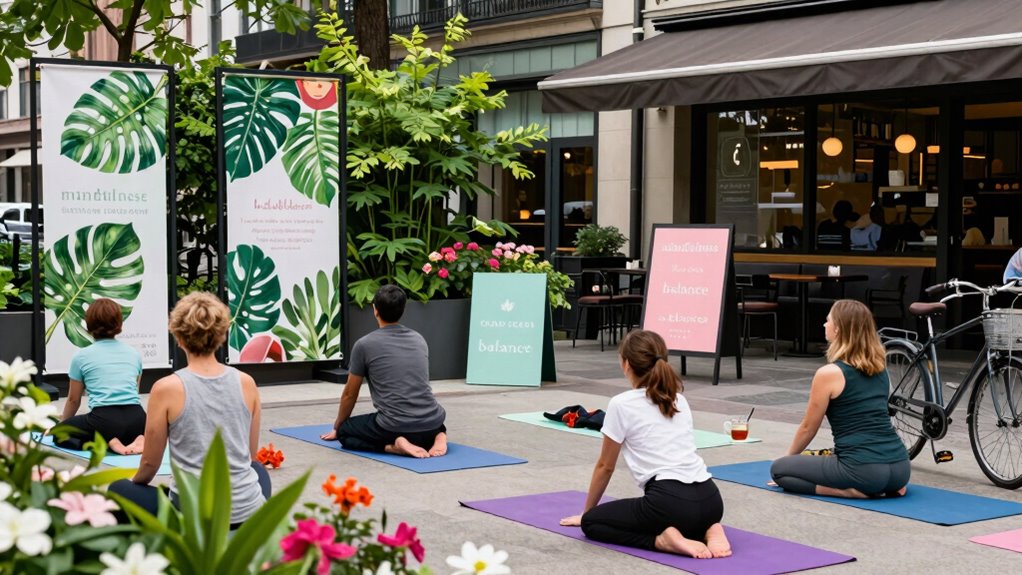

Wellness language has become a big part of everyday life because more people focus on mental and physical health. Words like “mindfulness,” “self-care,” and “balance” are now common in conversations, social media, and workplaces. Practices like meditation and healthy eating are mainstream, encouraging you to prioritize your well-being. This cultural shift highlights a move toward holistic health and self-awareness. Keep exploring to discover how this wellness mindset influences your daily routines and perceptions.

Get audio and creator gear delivered free with Prime
- Fast, free delivery on millions of items
- Prime Video, Amazon Music and more included
- Member-only deals all year
Key Takeaways
- Wellness terms like “mindfulness” and “self-care” are now embedded in daily conversations and social media, reflecting a cultural shift.
- Mindfulness practices have become mainstream, integrated into routines like eating, walking, and working for stress reduction.
- Increased mental health awareness emphasizes emotional well-being as essential, fostering openness and destigmatization.
- Nutrition trends such as “clean eating” and “superfoods” promote mindful food choices as acts of self-love.
- Wellness language shapes perceptions of health, encouraging holistic, long-term lifestyle changes focused on mental and physical balance.

Have you ever noticed how often words like “mindfulness,” “balance,” and “self-care” pop up in everyday conversations? These terms aren’t just buzzwords anymore; they’ve become woven into the fabric of daily life. You might hear them at work, in social media posts, or during casual chats with friends. This shift reflects a broader cultural embrace of wellness language, transforming how you think about health and well-being. It’s no longer enough to simply be healthy; you’re encouraged to be mindful of your mental state, prioritize balance, and actively practice self-care.
Mindfulness practices, once seen as niche or spiritual, have now become mainstream. You’re likely encouraged to pause and breathe during stressful moments or to incorporate meditation into your daily routine. These practices aren’t just trendy; they’re backed by research showing they help reduce stress and improve focus. As a result, you might find yourself exploring apps that guide you through meditation or attending local workshops. This widespread adoption pushes you to become more aware of your thoughts and emotions, integrating mindfulness into everyday activities like eating, walking, or even working. It’s about shifting from autopilot to being present, which many now see as essential for maintaining mental clarity amid busy lives. Recognizing the importance of mental health awareness further emphasizes this cultural shift towards holistic well-being. Additionally, this language encourages you to view mental health as a fundamental aspect of overall wellness, not just an individual concern.
Nutrition trends have also played a significant role in this cultural shift. Terms like “clean eating,” “superfoods,” and “detox” fill social media feeds and magazine headlines. You’re encouraged to choose foods that boost your energy, support your immune system, and promote overall wellness. These trends push you to scrutinize ingredient labels, experiment with plant-based diets, or incorporate trendy superfoods like acai or chia seeds into your meals. It’s about more than just diet; it’s about adopting a lifestyle that emphasizes nourishing your body with quality, mindful choices. This language shapes your perception of food as medicine, prompting you to see eating as an act of self-respect and self-love. Recognizing how wellness language influences your daily habits helps you understand the broader cultural shift towards holistic health. Moreover, the emphasis on nutritional awareness encourages a more mindful approach to your eating habits, fostering long-term healthy behaviors.
As an affiliate, we earn on qualifying purchases.
Frequently Asked Questions
How Did Wellness Language Become Mainstream Across Different Age Groups?
You saw wellness language become mainstream across age groups through the rise of mindfulness practices and holistic approaches. As people seek balance and mental clarity, they adopt terms like “self-care” and “mindfulness,” making these ideas relatable and accessible. Social media spreads these concepts quickly, encouraging everyone—from teens to seniors—to embrace wellness language in daily conversations, fitness routines, and mental health discussions. This widespread adoption fuels the ongoing popularity of wellness culture.
What Are the Psychological Effects of Using Wellness Jargon Daily?
You might feel like you’re lost in a fog of jargon dilution, where wellness terms lose meaning and cause mindfulness fatigue. Daily use of wellness jargon can lead to stress, anxiety, and a sense of disconnection, as your mind becomes overwhelmed by constant self-improvement chatter. This mental overload diminishes genuine well-being, making it harder to find balance and peace amid the noise, ultimately undermining the very health you seek.
How Does Wellness Language Influence Workplace Culture?
Wellness language shapes workplace culture by promoting mindful communication and emphasizing emotional intelligence. When you use empathetic terms and focus on mental well-being, you foster a supportive environment where colleagues feel valued and understood. This encourages open dialogue, reduces stress, and boosts teamwork. As you adopt wellness language, you help create a culture that prioritizes mental health, making the workplace more inclusive, resilient, and conducive to personal and professional growth.
Are There Criticisms of the Commercialization of Wellness Terminology?
You might criticize the commercialization of wellness terminology because it often turns authentic well-being into a marketing tool. Companies leverage corporate branding and social media to promote a wellness image that can seem superficial or profit-driven. This commodification risks diluting genuine health messages, making wellness feel more like a trend than a meaningful lifestyle change. Ultimately, it can foster skepticism about the true value of wellness initiatives.
How Can Individuals Discern Authentic Wellness Advice From Marketing?
You can discern authentic wellness advice by practicing mindful communication and questioning the source’s credibility. Look for advice rooted in evidence and transparency, rather than hype or quick fixes. Trust professionals who prioritize your well-being over marketing gains. Be skeptical of claims that seem too good to be true, and focus on advice that promotes genuine health. Authenticity in advice comes from transparency, expertise, and a genuine concern for your well-being.
As an affiliate, we earn on qualifying purchases.
Conclusion
As you navigate this world, wellness language is like a gentle river, shaping your path with every current of words and phrases. It whispers promises of balance and energy, guiding you through a landscape that feels familiar yet ever-changing. In this flow, you’re invited to drift, to breathe, to embrace the rhythm of self-care. Remember, just like the river’s journey, your wellness story is yours—fluid, ongoing, and uniquely yours to navigate.
As an affiliate, we earn on qualifying purchases.
As an affiliate, we earn on qualifying purchases.
Columbus Day / Indigenous Peoples' Day Picks
long weekend sales
As an affiliate, we earn on qualifying purchases.